
T
Loading…
Loading…
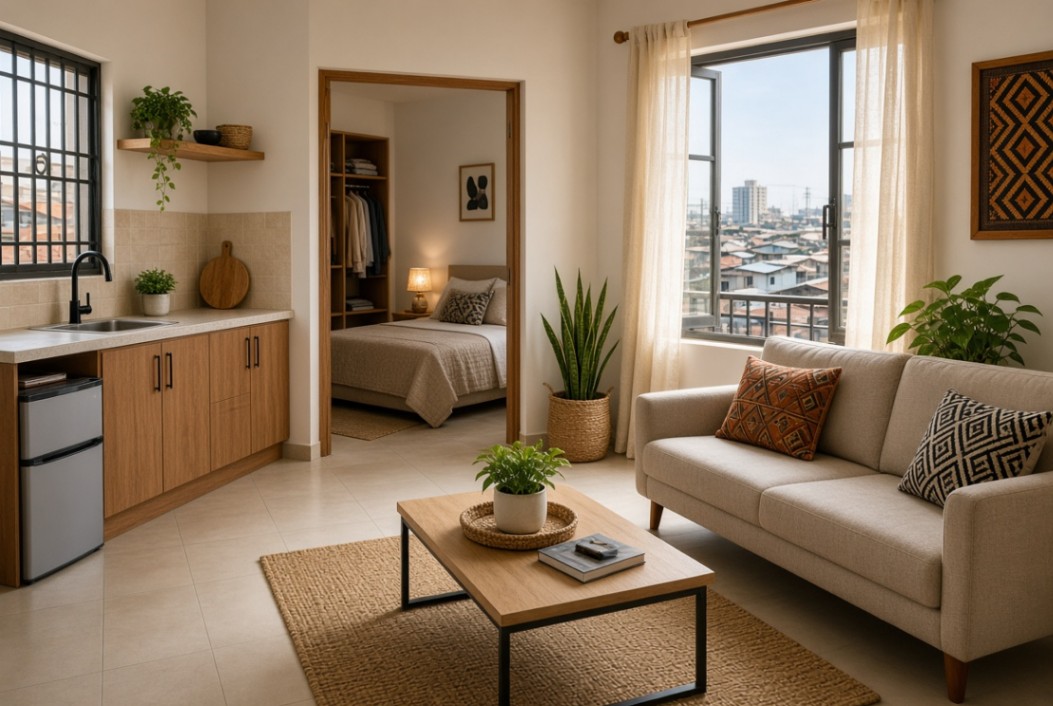
Living in a small Lagos apartment can make ordinary belongings feel overwhelming. Clothes, shoes, bags, appliances, documents, beauty items and household supplies can quickly occupy every chair, corner and available surface. Decluttering does not mean throwing away everything or creating an expensive minimalist home. It means reviewing what you own, deciding what still serves a purpose and creating a clear route for items you no longer use. In Lagos, that route may include resale, donation, tailoring, recycling, gifting or responsible disposal. A practical decluttering system also helps you recover usable space without buying more storage. This matters in apartments where rent, transport, electricity and daily living costs already influence household decisions. ## Start With One Small Area A full apartment clean-out can become tiring before visible progress appears. Begin with one drawer, one clothing rail, one shoe area or one corner of the room. Choose a section that can be completed in 20 to 40 minutes. Finishing a small area creates a clear result and makes it easier to continue. Use four temporary groups: | Group | What belongs there | Next action | |---|---|---| | Keep | Items used regularly or needed for a clear purpose | Clean and organise | | Sell | Useful items in good condition that are no longer needed | Photograph and list | | Give away | Usable items with little resale value | Offer to someone or donate | | Repair or recycle | Damaged items with salvageable material | Repair, tailor or dispose responsibly | Avoid creating a large “maybe” pile without a review time. If an item is uncertain, place it in a labelled box and set a review date within 30 days. ## Use the Six-Month Question For clothing, shoes, bags and accessories, ask: - Have I used this within the last six months? - Does it fit my current lifestyle? - Is it comfortable enough to use? - Does it need a minor repair? - Do I own several items that perform the same function? - Would I choose it again if I saw it in a shop today? The six-month period is a guide, not a strict rule. Some items are seasonal, ceremonial or used only for weddings, interviews, travel or religious events. Keep those items when their purpose is clear, but store them separately from everyday clothing. For example, a traditional outfit worn for special occasions does not need to compete for space with daily work clothes. A labelled garment bag or an upper shelf can keep it accessible without allowing it to dominate the wardrobe. ## Declutter Clothes by Category Clothing often occupies the largest amount of space in a small apartment. Sorting by category makes duplication easier to notice. Create separate sections for: - Workwear. - Casual tops and trousers. - Native or traditional wear. - Church, mosque, wedding and occasion clothing. - Sleepwear and home clothes. - Sportswear. - Outerwear. - Undergarments and accessories. Within each category, place the most frequently used items at eye level. Fold soft clothes vertically where possible so that each item remains visible instead of being hidden beneath a stack. ### A Lagos wardrobe example Imagine a tenant in a one-bedroom apartment with: - 18 T-shirts. - 10 pairs of trousers. - 7 dresses. - 12 pairs of shoes. - 8 bags. - 4 jackets. - Several clothes that need buttons, zips or minor alterations. A practical review could result in: | Item group | Possible action | |---|---| | Frequently worn basics | Keep within easy reach | | Duplicate black tops | Keep the comfortable pieces and route unused ones to resale or gifting | | Damaged but repairable clothes | Set aside for a tailor | | Clothes that no longer fit | Sell, exchange, donate or repurpose | | Occasion wear | Store in a separate labelled section | | Worn-out fabric | Use for cleaning rags or textile recovery where available | This approach prevents a common problem: keeping every item because it might become useful while continuing to buy replacements. ## Create a Shoe and Bag System Shoes and bags can make a small entrance, bedroom or passageway look crowded because they are often left on the floor. Start by removing pairs with: - Severe sole separation. - Persistent odour that cleaning cannot resolve. - Broken structures that would cost more to restore than the item’s practical value. - Missing pairs. - Sizes that no longer fit. Usable shoes can be cleaned, photographed and described accurately before resale or donation. Include the size, brand if known, condition, visible marks and any repair needed. For bags, place smaller bags inside larger ones to reduce volume. Keep straps arranged so they do not tangle. Use an over-door hook or a narrow vertical organiser if the door and wall can safely carry the weight. Avoid storing leather or fabric items in damp, airtight conditions for long periods. Lagos humidity can contribute to mould and material deterioration, so occasional airing and dry storage help protect items. Follow the care instructions for each material and avoid applying cleaning chemicals without checking whether they are suitable. ## Reduce Kitchen and Household Clutter Small kitchens become crowded when duplicate utensils, containers and appliances accumulate. Remove items that are: - Cracked, unsafe or difficult to clean. - Missing essential parts. - Duplicates with no regular use. - Stored for a purpose that no longer exists. - Taking up more space than the value they provide. Keep containers with matching lids together. Reuse suitable containers for dry goods only when they are clean and appropriate for that use. Do not reuse packaging for food or cosmetics if the material, cleanliness or original contents create a safety concern. A useful arrangement places daily items in the easiest-to-reach area, weekly items on the next level and occasional items in labelled storage. This reduces the habit of pulling everything out to find one object. ## Handle Papers and Documents Carefully Paper clutter often grows through receipts, school records, rent documents, utility bills, bank correspondence and old forms. Create three groups: 1. Items needed for current school, work, tenancy or financial matters. 2. Papers that may be needed later. 3. Duplicates, expired promotional materials and papers with no continuing purpose. Shred or tear documents containing personal information before discarding them. This includes account numbers, phone numbers, identification details and addresses. Avoid posting photographs of documents online during a resale or giveaway process. A phone scan can reduce physical paper, but digital copies need secure storage and clear file names. A folder structure such as , , and makes future retrieval easier. ## Use Vertical Storage Before Buying More Items In a small apartment, unused wall height can provide storage without consuming additional floor area. Possible options include: - Tall shelves. - Over-door hooks. - Wall-mounted rails. - Under-bed boxes. - Stackable containers. - Hanging organisers. - Narrow shoe racks. Measure the available space before buying anything. A storage item that blocks a doorway, window, ventilation point or electrical access can create a new problem. Also check whether drilling or wall installation is allowed under your tenancy arrangement. Removable hooks may be more appropriate for lightweight items, while heavier storage requires secure installation and suitable load limits. ## Set a Price or Disposal Route Decluttering becomes easier when every item has a next step. For clothing and accessories in Nigeria, prices vary according to brand, condition, demand, size, material and location. Recent reporting on Nigerian thrift markets has described used clothing prices ranging from about ₦500 to ₦20,000 or more, depending on these factors. The figures below are planning examples rather than fixed market prices: | Item | Possible resale range for ordinary used items | |---|---:| | Basic tops | ₦1,000–₦4,000 | | Jeans or trousers | ₦2,000–₦8,000 | | Everyday dresses | ₦2,000–₦10,000 | | Shoes in good condition | ₦3,000–₦15,000 | | Bags in good condition | ₦2,000–₦12,000 | | Costume jewellery or accessories | ₦500–₦5,000 | Condition and evidence affect buyer confidence. A listing can include: - Clear daylight photographs. - Exact size or measurements. - Fabric or material details when known. - Honest notes about stains, fading, tears or repairs. - Pickup area without revealing a private address. - Whether delivery is available and who pays for it. Items that are clean and usable but unlikely to attract a buyer can move through gifting, community groups, donation drives or direct sharing with family and neighbours. ## Clean Items Before Giving or Selling Cleaning improves presentation and allows you to inspect an item properly. Follow the care label where one exists. A simple preparation checklist: - Wash or air the clothing appropriately. - Remove lint and loose threads. - Polish suitable shoes. - Empty every pocket and bag compartment. - Check zips, buttons, straps and soles. - Photograph the item after it is dry. - Store prepared items in a clean, dry place. Do not hide defects in photographs or descriptions. Accurate disclosure reduces misunderstandings and supports safer peer-to-peer trading. Hair, cosmetics and personal-care items require additional care. Unopened products with intact packaging can be assessed according to their labels and expiry information. Used personal items or products with uncertain storage history may not be suitable for resale or sharing. ## Declutter in a Weekend Plan A small apartment can be reviewed over several short sessions. ### Saturday morning: Clothing Sort everyday clothing, occasion wear and items needing repair. Place each group in a labelled bag or box. ### Saturday afternoon: Shoes and bags Clean usable pieces, match pairs and identify items that need repair or a new owner. ### Saturday evening: Kitchen and bathroom Review duplicate containers, expired or unsuitable products and unused appliances. Follow product labels and local disposal options for household chemicals. ### Sunday morning: Papers and miscellaneous items Process documents, cables, small electronics, décor and items stored under furniture. ### Sunday afternoon: Exit routes Photograph resale items, contact potential recipients, schedule repairs and arrange disposal. The apartment stays cluttered when sorted items remain in the home indefinitely. ## Use a “One In, One Out” Routine After the first decluttering session, a maintenance rule can prevent rapid accumulation. When a new item enters a crowded category, review one comparable item already owned. Examples: - A new pair of everyday shoes prompts a review of an old pair. - A new handbag prompts a review of rarely used bags. - A new jacket prompts a review of similar outerwear. - A new kitchen appliance prompts a review of an unused duplicate. This does not require an immediate disposal decision. It creates a regular review point and limits the return of floor piles and overfilled drawers. ## Trade Safely in Lagos Decluttering through resale or giveaways requires attention to personal and transaction safety. Direct buyer-seller contact can be convenient, but it also means that each person needs to assess the arrangement carefully. Practical precautions include: - Keep conversations within the marketplace or agreed messaging channel. - Avoid sharing passwords, one-time passwords, card details or banking PINs. - Do not rely only on screenshots as proof of payment. - Confirm payment through the relevant account or service before releasing an item. - Choose a public meeting point for handovers where practical. - Take another adult along when the situation calls for it. - Use delivery arrangements with clear responsibility for fees and loss. - Keep private home addresses out of public listings. - Cancel an arrangement if the buyer or seller applies unusual pressure. The Federal Competition and Consumer Protection Act established Nigeria’s consumer-protection framework and created the Federal Competition and Consumer Protection Commission. Information about consumer rights and complaint channels is available through the Commission’s official resources. This article does not provide legal advice, so specific disputes may require guidance from an appropriate qualified source. ## A Simple Decluttering Checklist Use this checklist room by room: - [ ] Select one small area. - [ ] Remove everything from that area. - [ ] Clean the empty surface or storage space. - [ ] Sort items into keep, sell, give away, repair or recycle. - [ ] Check clothes, shoes and bags for condition. - [ ] Photograph usable items clearly. - [ ] Remove personal documents from bags, pockets and boxes. - [ ] Set a date for repairs or listings. - [ ] Move giveaway items out through an agreed safe route. - [ ] Review the area after seven days. - [ ] Create a permanent place for every item kept. ## Conclusion To declutter a small apartment in Lagos, work in small sections, separate everyday items from occasional belongings and give every unwanted item a realistic next step. Selling, gifting, repairing, donating and responsible disposal can reduce waste while helping usable fashion and household goods remain in circulation. A short monthly review can also prevent clutter from rebuilding. This article is for educational purposes only and does not constitute professional advice. Always follow safe trading practices and use your own judgement.
How Far Can ₦5,000 Really Go at a Thrift Market?
10 Thrift Finds Under ₦2,000 You Need to See
How to Recreate a Celebrity Look With Thrift Pieces
Thrift Date Night Outfits That Don’t Look Cheap
Thrift Outfit Ideas for Campus: Stylish School Looks on a Budget
Thrifted Street Style: Outfits Spotted on Lagos Streets
Have something to give away or sell?
Post your first listing — it only takes a couple of minutes. Or browse listings near you.
SchoolRentUtilitiesReceipts