
T
Loading…
Loading…
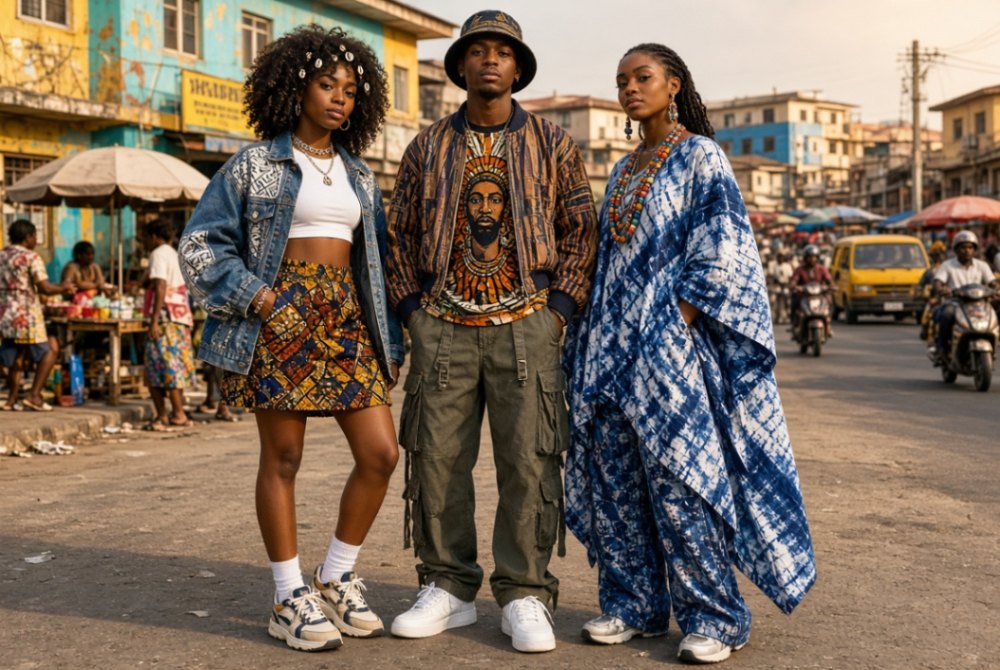
Gen Z fashion in Nigeria is not one fixed aesthetic. It is a mix of thrifted clothing, Nigerian street style, Afrobeats influence, vintage sportswear, social-media experimentation, gender-fluid styling, and personal creativity. A young person in Lagos may combine a secondhand football jersey with wide-leg denim, beads, sneakers and a locally made bag. Someone in Abuja may pair a structured blazer with cargo trousers and bold jewellery. In Port Harcourt, a simple vintage shirt can become a statement outfit when styled with sunglasses, sneakers and a carefully chosen hairstyle. The important shift is that many Nigerian Gen Z dressers are not waiting for international fashion brands to define their style. They are remixing what is available locally, finding value in pre-loved clothing and using fashion to communicate music taste, community, confidence and identity. ## Why Gen Z Style Feels Different Gen Z fashion in Nigeria has grown through a combination of digital culture, economic pressure, cultural pride and access to secondhand clothing. Social platforms such as TikTok and Instagram make outfit ideas travel quickly. At the same time, thrift markets and online sellers make it possible to recreate a look without buying every item new. Research on secondhand clothing consumption has found that perceptions of value, quality and social meaning influence whether people move towards pre-loved fashion. The result is a style culture built around remixing: - New clothing with thrifted clothing. - International trends with Nigerian fabrics and accessories. - Luxury-inspired styling with affordable pieces. - Vintage items with current silhouettes. - Masculine and feminine details in the same outfit. - Everyday basics with highly personal accessories. This approach also supports a more circular fashion habit when clothing stays in use for longer. However, secondhand fashion is not automatically sustainable: responsible buying includes checking condition, using items repeatedly, repairing them and passing them on when they no longer serve their purpose. ## Thrifted Streetwear Thrifted streetwear remains one of the most visible Gen Z fashion trends in Nigeria. It often includes oversized T-shirts, football jerseys, denim, hoodies, sweatshirts, cargo trousers and vintage sports jackets. The appeal is practical as well as visual. One-off thrift pieces can create a distinctive outfit, while relaxed silhouettes work well for school, casual outings, concerts and content creation. ### Common thrifted streetwear pieces | Item | Typical styling approach | Condition details to check | |---|---|---| | Football jersey | Pair with denim, cargos or a pleated skirt | Name printing, stains, loose seams | | Oversized T-shirt | Wear loose or tuck partly into trousers | Collar stretch, underarm marks | | Cargo trousers | Combine with a fitted vest or cropped shirt | Pocket fasteners, zips, waist measurements | | Vintage jacket | Layer over a plain shirt or dress | Lining, sleeve cuffs, broken buttons | | Baggy jeans | Wear with a fitted top and sneakers | Inner-thigh wear, hem damage | | Hoodie | Style with shorts, denim or track trousers | Hood, cuffs and fabric pilling | When shopping online, measurements are more reliable than labels because vintage and imported clothing sizes vary. Useful measurements include chest, waist, hip, shoulder width, inseam and total length. ## Nigerian Street Style Nigerian Gen Z street style is often recognisable through its energy and contrast. A relaxed outfit may become more expressive through colour, accessories, hair, footwear or a culturally specific detail. Examples include: - Ankara panels added to denim jackets. - Adire shirts worn with contemporary trousers. - Beaded necklaces with plain vests. - Traditional-inspired prints paired with sneakers. - Nigerian brand T-shirts styled with thrifted jeans. - Matching sets broken up and worn as separate pieces. - Locally made leather sandals or bags with urban outfits. This is not simply a return to traditional clothing. It is a form of cultural remixing. Nigerian textiles, symbols and craft techniques appear alongside global silhouettes, creating outfits that feel both familiar and current. A practical styling method is to use one cultural or locally made statement piece with two neutral items. For example, an adire shirt can be worn with black trousers and white sneakers. This keeps the outfit visually balanced while allowing the fabric to remain the focus. ## Y2K and Early-2000s Influence Y2K styling has become popular among young Nigerian fashion enthusiasts because it offers recognisable shapes and playful details. Common elements include low-rise or relaxed jeans, tiny bags, baby tees, tinted sunglasses, metallic accessories, denim-on-denim and fitted tops. In Nigeria, Y2K outfits are frequently adapted rather than copied exactly. Weather, personal comfort and local availability influence the final look. A lightweight crop top may replace a heavy layered outfit, while a mini bag may be paired with practical sneakers instead of delicate footwear. ### Ways to build a Y2K-inspired outfit 1. Start with one focal item, such as a baby tee, flared jeans or tinted sunglasses. 2. Add one texture, such as denim, mesh, satin or faux leather. 3. Use a small accessory instead of adding several competing statement pieces. 4. Check movement and comfort before wearing the outfit outdoors. 5. Balance a revealing or fitted item with a looser layer if that suits your preference. The aim is not to recreate an old photograph. It is to use an early-2000s reference while making the outfit practical for present-day Nigerian life. ## Oversized and Relaxed Silhouettes Loose clothing continues to influence Nigerian Gen Z wardrobes. Oversized shirts, wide-leg trousers, baggy denim and relaxed blazers offer comfort and create a strong visual shape. The styling challenge is proportion. Wearing several oversized pieces can look intentional when the outfit has structure, but it can also appear shapeless if every item is loose and similar in length. A simple proportion guide: | Main silhouette | Balancing option | |---|---| | Oversized shirt | Straight or fitted trousers | | Wide-leg trousers | Shorter or fitted top | | Large blazer | Simple vest, tank or slim shirt | | Baggy jeans | Cropped jacket or tucked-in shirt | | Oversized hoodie | Shorts, leggings or structured trousers | These are styling options rather than fixed rules. The most useful test is whether the clothing allows comfortable movement and whether the overall outline looks deliberate. ## Football and Sportswear Culture Football jerseys and sportswear have become fashion items beyond match days. Nigerian and international club shirts can appear with jeans, skirts, cargos, shorts, boots and jewellery. The football-shirt trend connects fashion with sport, music and social identity. Vintage jerseys are particularly attractive to people who enjoy retro graphics, unusual colours or older club designs. When buying a secondhand jersey, inspect: - Printed names and numbers. - Sponsorship graphics. - Fabric pulls and snags. - Sweat marks around the collar and underarms. - Authenticity claims made by the seller. - Exact measurements rather than only the stated size. A listing that clearly shows the front, back, labels, print and any flaws gives buyers more information than a single styled photograph. ## Gender-Fluid Styling Many Gen Z Nigerians are experimenting with clothing beyond traditional menswear and womenswear divisions. This may involve men wearing jewellery, skirts or fitted tops, women styling oversized tailoring or anyone combining soft, structured and traditionally masculine or feminine details. Gender-fluid styling does not require a separate wardrobe. It can begin with transferable pieces: - Oversized button-down shirts. - Straight-leg trousers. - Blazers. - Sneakers. - Loafers. - Crossbody bags. - Rings, chains and bracelets. - Neutral-colour knitwear. The useful principle is fit and personal comfort. Clothing labels are not always a reliable guide, particularly when buying vintage or imported secondhand items. Measurements, fabric stretch and the intended silhouette matter more. ## Statement Accessories Accessories are a major part of Nigerian Gen Z fashion because they can transform simple clothing without requiring a complete wardrobe change. Popular directions include: - Layered chains. - Waist beads and colourful beads. - Chunky rings. - Hair clips and decorative pins. - Mini bags. - Shoulder bags. - Tinted glasses. - Headscarves. - Brooches. - Bold earrings. - Phone charms and bag charms. Accessories also provide an accessible entry point into trend-led styling. A plain T-shirt and trousers can look different when paired with a colourful bag, layered necklaces or a patterned scarf. For secondhand accessories, inspect clasps, zips, lining, plating, loose stones, odour and signs of moisture damage. For hair products and extensions, product descriptions should distinguish clearly between new, unused, opened and previously worn items. ## Locally Made and Upcycled Fashion Upcycling is becoming more visible in Nigerian fashion, particularly among young designers, alteration businesses and independent creators. It can involve converting old jeans into bags, adding patchwork to jackets, transforming shirts into crop tops or combining leftover fabric into accessories. Upcycling gives older clothing another function and supports repair-based skills. Research on also highlights the importance of examining what happens to garments at the end of their useful life, rather than treating resale alone as a complete circular solution. ### Simple upcycling ideas - Add fabric panels to the sides of plain trousers. - Turn a large shirt into a sleeveless layer. - Replace missing buttons with contrasting buttons. - Convert denim offcuts into pocket details. - Use a scarf as a hair accessory, belt or bag decoration. - Repair visible tears with embroidery or decorative patches. Alterations work best when the fabric remains strong enough for the new design. A tailor can assess whether a garment needs reinforcement before cutting or reshaping it. ## Modest and Heat-Friendly Dressing Nigerian weather influences Gen Z style in practical ways. Breathable cotton, loose shirts, skirts, lightweight trousers and open footwear are common choices for hot conditions, while layering is often reserved for air-conditioned spaces, rainy periods and evening events. Modest styling can include: - Long skirts with fitted or loose tops. - Wide-leg trousers with tunics. - Lightweight kaftans. - Oversized shirts worn as outer layers. - Headscarves styled with contemporary clothing. - Long-sleeved mesh or cotton layers over vests. Fabric composition and garment construction affect comfort. Cotton and linen blends may feel different from polyester, while tightly woven fabric can retain more heat. Product descriptions that include fabric information help buyers make more informed choices. ## Thrift Price Guide Prices vary by city, condition, brand, fabric, rarity and seller. The ranges below are practical planning examples rather than fixed market prices. | Item category | Common secondhand range in ₦ | Factors affecting price | |---|---:|---| | Basic T-shirt | ₦2,000–₦8,000 | Fabric, print, condition | | Vintage or branded T-shirt | ₦5,000–₦18,000 | Brand, age, graphic, rarity | | Jeans | ₦5,000–₦20,000 | Fit, denim quality, wear | | Football jersey | ₦8,000–₦35,000 | Season, club, authenticity, condition | | Hoodie or sweatshirt | ₦8,000–₦30,000 | Weight, brand, condition | | Jacket or blazer | ₦8,000–₦35,000 | Construction, lining, fabric | | Costume jewellery | ₦1,500–₦10,000 | Material, design, condition | | Secondhand bag | ₦5,000–₦35,000 | Brand, leather, hardware, wear | | Pre-loved sneakers | ₦10,000–₦60,000 | Brand, sole condition, authenticity | Prices change frequently, so the listing date, item condition and location remain important context. ## How to Check a Trend-Led Listing Before arranging a purchase, review the listing carefully and ask focused questions. ### Buyer checklist - Is the item description specific? - Are the photos clear and taken from several angles? - Are measurements included? - Are stains, tears, odours or repairs disclosed? - Is the seller’s location clear? - Is the final price separate from delivery charges? - Are payment and collection arrangements understood? - Can the item be inspected before completion where practical? For peer-to-peer trading, avoid sharing unnecessary personal information. Public or busy meeting points can reduce risk for in-person exchanges, while a trusted person can be informed about the meeting details. Nigeria’s framework provides the country’s main consumer-protection structure, but online marketplace users still need to check item descriptions, preserve transaction records and use careful judgement because peer-to-peer listings may differ in quality and reliability. ## How to Photograph Your Own Style Good photographs help buyers understand a secondhand item and help sellers present a trend accurately. Use: 1. Natural light near a window or outdoors in a shaded area. 2. A plain background. 3. One full front image. 4. One back image. 5. Close-ups of labels, fabric and hardware. 6. Clear images of flaws. 7. A measurement reference where useful. 8. A short styling image separate from the product details. Avoid filters that alter the colour. For clothing, include the size on the label and the actual measurements. For shoes, photograph both soles and show any creasing or damage. ## Building a Personal Trend Wardrobe A trend-led wardrobe does not need to contain every viral item. A more flexible approach is to identify the style elements that repeatedly appeal to you. Try this exercise: - Choose three silhouettes you wear comfortably. - Choose three colours that combine easily. - Select two statement accessories. - Add one culturally meaningful or locally made item. - Identify clothing that can work for school, work, casual outings or events. - Record measurements for items that fit well. This creates a wardrobe system rather than a collection of disconnected trends. It also makes secondhand shopping more focused because you can search for specific gaps instead of buying every attractive item. ## Passing Trends Along When an item no longer fits your style, several options can keep it in use: - Alter it. - Restyle it with existing clothing. - Give it to someone who will use it. - Sell it with accurate condition details. - Donate it where there is a genuine need. - Repurpose it into another item. - Repair it before passing it on. Secondhand clothing can support circular use, but responsible circulation depends on honesty. A buyer needs enough information to decide whether the item’s condition, price and purpose match their expectations. ## Conclusion Gen Z fashion trends in Nigeria are being shaped by thrifted streetwear, Nigerian textiles, football culture, Y2K references, relaxed silhouettes, gender-fluid styling, bold accessories and upcycled clothing. The strongest looks often come from combining available pieces with personal meaning rather than copying an entire outfit from social media. For buyers, measurements, condition checks and clear communication make secondhand shopping more practical. For sellers, accurate descriptions and transparent photographs help trend-led pieces find another wearer while reducing avoidable misunderstandings. This article is for educational purposes only and does not constitute professional advice. Always follow safe trading practices and use your own judgement.
How Far Can ₦5,000 Really Go at a Thrift Market?
10 Thrift Finds Under ₦2,000 You Need to See
How to Recreate a Celebrity Look With Thrift Pieces
Thrift Date Night Outfits That Don’t Look Cheap
Thrift Outfit Ideas for Campus: Stylish School Looks on a Budget
Thrifted Street Style: Outfits Spotted on Lagos Streets
Have something to give away or sell?
Post your first listing — it only takes a couple of minutes. Or browse listings near you.