
T
Loading…
Loading…
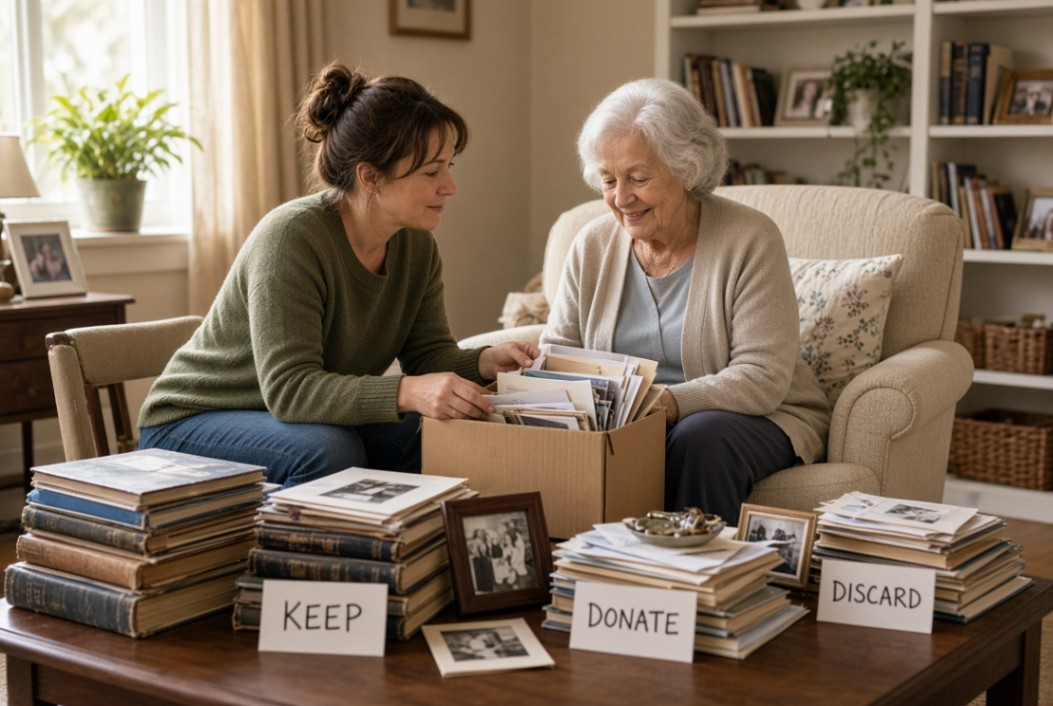
Helping aging parents declutter their home—especially wardrobes, shoes, bags, and accessories—can feel emotionally delicate and logistically complex. In many Nigerian households, clothes carry memories, status, and practical value, so the process works best when it’s respectful, paced, and focused on clear outcomes: keep, donate, sell, or responsibly dispose. This guide walks through a step-by-step approach tailored to Nigerian family dynamics, with safety tips for secondhand trading and realistic options for giving items a second life. Last Updated: October 2026. ## Why Decluttering Matters for Older Adults (and the Whole Family) Clutter isn’t just about space; it affects safety, stress, and daily routines. For older adults, piles of clothes and boxes can increase fall risks, make cleaning harder, and create mental load when searching for items. At the same time, Nigeria’s growing secondhand clothing ecosystem means usable items can quickly find new owners instead of lingering in cupboards or ending up in waste streams. From a circular-economy perspective, extending the life of garments reduces demand for new production and lowers environmental pressure. For families, turning “forgotten” clothes into donations or small sales can also free up space while supporting community needs. ## Start With a Respectful Conversation (Not a Raid) The biggest mistake adult children make is treating decluttering like a cleanup mission. In Nigerian culture, elders’ belongings often symbolize history and achievement, so approach the topic with care. - Frame it around comfort and safety, not “too much stuff.” Example: “Mum, I noticed the wardrobe is hard to reach; let’s arrange it so your favourite clothes are easier to get.” - Ask permission and set a small goal. One shelf, one drawer, or one bag of shoes is less overwhelming than “the whole house.” - Invite them to lead decisions. You can hold items and ask: “Do you still wear this?” or “Who in the family would love this?” If resistance shows up, pause and return later. Progress over perfection is the aim. ## Use a Simple 4-Box System Tailored to Nigerian Homes Adapt the classic decluttering method to local realities. Label four boxes or bags: 1. Keep – Regularly worn, fits well, emotionally important. 2. Donate/Gift – Good condition, usable by relatives, church groups, or community members. 3. Sell – Branded or high-quality items that could fetch ₦1,000–₦20,000+ depending on condition and brand. 4. Dispose/Recycle – Stained, torn beyond repair, or unsafe items. Add a fifth “Unsure” box if needed, but set a review date (e.g., 2–4 weeks) to avoid permanent limbo. ### Quick Condition Checklist Before Deciding - Keep: Worn in the last 12 months; fits current body; no major damage. - Donate/Gift: Clean, no holes, zippers/buttons work; culturally appropriate for gifting. - Sell: Recognizable brands (e.g., Zara, Nike, designer bags), excellent condition, complete sets (e.g., matching shoes). - Dispose: Persistent odours, mould, broken soles, irreparable tears. ## Room-by-Room Focus: Wardrobes, Shoes, Bags, and Accessories Clothes, footwear, bags, and jewellery are the core categories where older adults accumulate items. Tackle them in this order for visible progress. ### Wardrobes and Clothing - Sort by type: dresses, tops, trousers, wrappers, kaftans, jackets. - Check fit and comfort: Aging bodies change; clothes that once fit may now be uncomfortable. - Mind the climate: Heavy fabrics rarely used in Lagos heat can be candidates for donation if not worn. Typical price ranges for secondhand clothing in Nigeria (good condition): - Everyday tops/dresses: ₦1,000–₦5,000 - Trousers/jeans: ₦2,000–₦8,000 - Branded jackets/coats: ₦5,000–₦20,000+ - Designer or luxury pieces: highly variable, often ₦15,000–₦100,000+ depending on brand and condition These ranges reflect peer-to-peer and thrift-market realities, where condition and brand drive value. ### Shoes and Footwear Shoes take up space and can be safety hazards if worn out. - Test soles and heels: If slippery or uneven, they’re fall risks. - Check insoles and odour: Persistent smells or degraded insoles often mean it’s time to let go. - Pair completeness: Missing pairs or badly mismatched shoes are better donated as single-use (e.g., house slippers) or disposed. Indicative secondhand shoe prices: - Casual sneakers (good condition): ₦3,000–₦12,000 - Formal shoes: ₦4,000–₦15,000 - Designer footwear: ₦10,000–₦50,000+ ### Bags, Purses, and Accessories Handbags, clutches, belts, scarves, and jewellery often hold sentimental value but may rarely be used. - Inspect hardware: Broken zippers, loose straps, or tarnished metal reduce usability. - Group accessories: Belts with belts, scarves with scarves—this makes decisions faster. - Jewellery caution: If items are valuable or heirloom-quality, involve other family members before deciding. Rough price bands for secondhand bags/accessories: - Everyday handbags: ₦2,000–₦10,000 - Branded purses: ₦5,000–₦25,000+ - Costume jewellery: ₦500–₦5,000 (highly variable) ## Safe Paths for Donations, Sales, and Disposal in Nigeria Once items are sorted, choose routes that match condition, effort, and safety. ### Donation Options - Family and friends: Often the easiest first step; many Nigerians prefer keeping items within the extended family. - Churches, mosques, and community groups: Many run clothing drives or know families in need. - Registered charities and NGOs: Verify legitimacy before handing over bulk donations; ask how items will be used. Donation is ideal for clean, usable items that won’t sell easily but can support others. ### Selling Secondhand: Safety and Practical Tips If some pieces have resale value, peer-to-peer selling can work well. For safety and clarity: - Meet in public, daytime locations: Malls, supermarket parking lots, or busy streets reduce risk. - Bring a companion: Especially for higher-value items or first-time meetings. - Use cash or instant bank transfer: Confirm funds before handing over items. - Describe honestly: Note flaws (stains, loose threads) to avoid disputes. Nigeria’s consumer protection framework encourages fair trading practices; the Federal Competition and Consumer Protection Commission (FCCPC) provides guidance on addressing unfair practices and scams. While secondhand clothing sales between individuals aren’t heavily regulated, applying basic safety principles—clear descriptions, honest pricing, and secure meetups—aligns with broader consumer-protection expectations. Platforms like Threddo offer a free, WhatsApp-first way to list secondhand clothes, shoes, bags, and accessories with direct buyer–seller contact and no fees; if you choose to try this route, review safety tips on their page and keep transactions simple and transparent. ### Responsible Disposal For items beyond reuse: - Textile recycling where available: Some Lagos initiatives collect worn textiles for recycling or upcycling. - Household waste: Bag torn or stained items securely to avoid scattering. - Avoid burning: Open burning of synthetic fabrics releases harmful fumes; disposal via waste channels is safer. ## A 7-Day Mini Plan to Get Started Break the process into small, manageable sessions. - Day 1: Talk with your parent; pick one area (e.g., one wardrobe shelf). - Day 2: Set up 4 boxes (Keep, Donate, Sell, Dispose). - Day 3: Sort tops and dresses; photograph potential sell items. - Day 4: Sort trousers, wrappers, and kaftans; bag donations. - Day 5: Tackle shoes; test soles and pair completeness. - Day 6: Sort bags and accessories; set aside heirlooms for family discussion. - Day 7: Review “Unsure” box; finalize donation drop-off or listing plans. Adjust pace based on energy levels and emotional comfort. ## Common Emotional Hurdles—and Gentle Workarounds - “I might need this later.” Try: “Let’s keep one similar item that’s easier to wear; this one can help someone now.” - “This was expensive.” Acknowledge the value, then note that unused items don’t serve the original investment; passing them on recovers some value or helps others. - “This reminds me of [event/person].” Suggest keeping one symbolic piece and letting go of duplicates. If grief or anxiety surfaces, slow down. Decluttering is a marathon, not a sprint. ## Sustainability Context: Why This Effort Matters Beyond the Home Nigeria, like much of Africa, imports large volumes of secondhand clothing, while local recycling infrastructure remains limited. By extending the life of garments through reuse and responsible disposal, households reduce pressure on waste systems and support . Every item that finds a new owner instead of a landfill contributes to a more sustainable fashion cycle. ## Final Notes and Safety Reminder Decluttering with aging parents works best when it’s collaborative, paced, and focused on dignity. Start small, celebrate progress, and use clear categories to avoid decision fatigue. For any secondhand trading, prioritize safe meetups, honest descriptions, and secure payments in line with general consumer-protection principles. This article is for educational purposes only and does not constitute professional advice. Always follow safe trading practices and use your own judgement.
How Far Can ₦5,000 Really Go at a Thrift Market?
10 Thrift Finds Under ₦2,000 You Need to See
How to Recreate a Celebrity Look With Thrift Pieces
Thrift Date Night Outfits That Don’t Look Cheap
Thrift Outfit Ideas for Campus: Stylish School Looks on a Budget
Thrifted Street Style: Outfits Spotted on Lagos Streets
Have something to give away or sell?
Post your first listing — it only takes a couple of minutes. Or browse listings near you.