
T
Loading…
Loading…
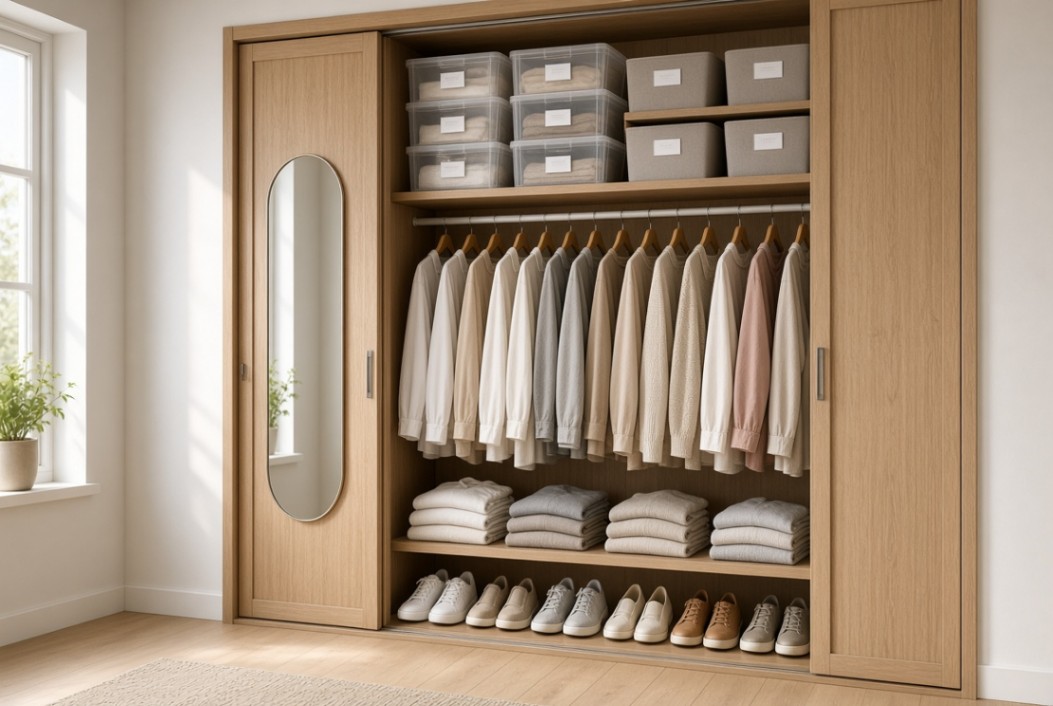
You do not need a walk-in closet to have a wardrobe that feels full, functional, and stylish. With the right system, even a compact space in a Lagos one-bedroom can hold more wearable outfits than a giant, chaotic closet. This guide walks you through a step-by-step approach used by smart thrifters and sustainable style lovers across Nigeria: declutter with purpose, store for our climate, curate versatile pieces (including okrika finds), and maintain a rotation that keeps your wardrobe feeling rich without overspending. Last Updated: October 2026 ## Why “Full” Is About System, Not Size A wardrobe feels full when you can quickly find outfits that fit, match, and suit your day. In Nigeria’s fast-paced cities, that means less time digging and more time wearing what you already own. Research shows the Nigerian sustainable fashion market is projected to grow from about USD 40.84 million in 2025 to nearly USD 295.71 million by 2034, reflecting rising interest in intentional wardrobes and circular fashion choices. At the same time, the okrika (secondhand clothing) economy is estimated at around USD 120 million, showing how many Nigerians already build style on a budget through pre-loved pieces. The goal here is not to own more, but to make what you own work harder. ## Step 1: Empty, Sort, and Decide with Purpose Start by taking everything out. Yes, everything. This is the KonMari principle of tidying by category, not by corner, and it works especially well for clothes. Create three clear piles: - Keep: Items you wear, that fit, and that you feel good in. - Repair/Refresh: Pieces with minor issues (loose hem, missing button) worth fixing. - Let Go: Damaged, ill-fitting, or unused items that no longer serve you. For the “let go” pile, ask yourself: - Would I buy this again today at current market price? - Does it still fit comfortably? - Do I have something similar I wear more often? Clean, wearable items can be donated or sold via peer-to-peer platforms. Under Nigeria’s Federal Competition and Consumer Protection Act, sellers of secondhand goods must clearly disclose that items are used, and buyers have the right to examine goods before purchase. This protects both sides when trading pre-loved fashion. ## Step 2: Store for Nigeria’s Climate (Humidity-Proof Your Closet) Lagos and many Nigerian cities face high humidity, which can lead to musty smells, mold, and fabric damage if clothes are stored poorly. Use these practical, low-cost strategies: - Leave air gaps: Avoid stacking clothes too tightly. Leave about 2 inches between garments on hangers to allow airflow. - Use cedarwood or slim non-slip hangers: Cedar helps repel moths and absorb some moisture; slim hangers save space. - Add moisture absorbers: Place bamboo charcoal bags or silica gel packs in corners of your wardrobe. - Vinegar rinse for washes: Add ½ cup white vinegar to the final rinse cycle to lower fabric pH, making it less friendly to mold. - Avoid perfume on damp clothes: This traps moisture and encourages bacterial growth; let clothes dry fully before storage. If you see fuzzy mold patches, stop scrubbing (it spreads spores) and seek professional cleaning or UV-C treatment for serious cases. ## Step 3: Maximize Every Inch with Smart Layouts Small wardrobes need smart layouts. Here are proven hacks for Nigerian apartments: ### Vertical Space Is Your Best Friend - Double hanging rods: Install a second rod below the main one for shorter items like shirts and skirts, freeing upper space for dresses and long coats. - Cascading hangers or S-hooks: Hang multiple garments vertically from one point using cascading hangers or S-hooks. - Over-the-door organizers: Use pocket organizers on closet doors for accessories, belts, scarves, or even shoes. ### Floor and Shelf Tactics - Fabric bins or woven baskets: Line the closet floor with matching bins for folded jeans, sweaters, or workout wear instead of bulky plastic racks. - Shelf dividers: Place dividers every 10–12 inches on shelves to create neat sections for folded clothes, preventing toppling. - Under-bed storage: Use rolling boxes or vacuum bags for off-season items like heavy jackets or occasion wear. ### Lighting and Visibility - Battery-powered LED strips: Stick these under shelves or along door frames so you can see everything clearly, even in dim rooms. - Mirror on closet door: Adds light, helps with outfit checks, and makes the space feel larger. ## Step 4: Fold Like a Pro (Marie Kondo Style) Folding clothes into compact rectangles and storing them vertically (so you can see every item at once) is a core KonMari technique that saves drawer space and reduces clutter. Basic vertical fold for shirts: 1. Lay shirt flat, smooth wrinkles. 2. Fold sleeves inward to form a rectangle. 3. Fold the rectangle in thirds (or halves for small drawers). 4. The result should stand upright on its own when placed on its side. Apply this to tees, tops, leggings, and even light sweaters. Store them in drawers or bins by category and colour for quick access. ## Step 5: Curate a Versatile Core (Capsule Thinking) A “full-feeling” wardrobe often comes from a tight core of versatile pieces that mix and match easily. For a budget-friendly, sustainable capsule in Nigeria: - Limit core rotation: Aim for around 12–15 versatile items (excluding underwear and workout gear) that can be styled for different settings. - Choose breathable, durable fabrics: Linen, organic cotton, and quality wax-print or Shweshwe cotton hold up well through regular washes and Nigeria’s heat. - Stick to a cohesive palette: Ground your wardrobe with a neutral base (khaki, cream, terracotta, black) and add 2–3 complementary prints or colours. Example core for a Lagos student or young professional: - 2 linen or cotton button-downs (white + earth tone) - 3 versatile tops (solid + subtle print) - 2 pairs of well-fitting trousers/jeans (neutral) - 1–2 skirts or dresses (one casual, one dressier) - 1 lightweight jacket or duster - 1–2 statement pieces (okrika vintage jacket, bold Ankara top) This approach reduces decision fatigue and makes your wardrobe feel richer because everything works together. ## Step 6: Shop Smarter with Okrika and Secondhand Finds Okrika (secondhand clothing) is a major part of Nigeria’s fashion economy, with the country ranking among Africa’s largest secondhand clothing markets. Thrifted pieces can fill gaps in your capsule without breaking the bank. Tips for smart okrika shopping: - Know your measurements: Bring a tape measure or know your key sizes (bust, waist, hips, inseam) to avoid fit issues. - Inspect thoroughly: Check seams, zippers, stains, and fabric wear under good light before buying. - Wash and refresh immediately: Use vinegar rinses and gentle detergents to sanitize and extend garment life. - Buy for versatility: Prioritize neutral colours and classic cuts that pair with multiple items in your existing wardrobe. Under FCCPA rules, sellers must clearly disclose that goods are secondhand, and you have the right to examine items before purchase. If trading online or via WhatsApp groups, insist on clear photos, honest descriptions, and safe meet-up arrangements. ## Step 7: Maintain the System (Monthly Mini-Edits) A well-organized wardrobe stays full-feeling only if you maintain it. Monthly 15-minute edit: - Return misplaced items to their categories. - Remove anything you did not wear that month to a “review” box. - Check for repairs (loose buttons, hems) and fix them promptly. - Rotate seasonal items: store off-season pieces in under-bed boxes or vacuum bags. Regular decluttering keeps your closet breathable and your outfits fresh, aligning with circular fashion principles of caring for and extending garment life. ## Practical Price Ranges for Organization Tools (Nigeria, 2026) | Item | Typical Price Range (₦) | Where to Find | |---|---|---| | Slim velvet hangers (pack of 10) | ₦3,000 – ₦8,000 | Home stores, Jumia, local markets | | Fabric storage bins (set of 3) | ₦5,000 – ₦15,000 | Supermarkets, online marketplaces | | Over-the-door shoe/accessory organizer | ₦4,000 – ₦12,000 | Home goods shops, online | | Bamboo charcoal moisture absorbers (pack of 4) | ₦2,500 – ₦7,000 | Health stores, online | | Battery-powered LED strip (1–2m) | ₦3,000 – ₦10,000 | Electronics shops, online | | Vacuum storage bags (set of 4) | ₦6,000 – ₦18,000 | Home stores, online | ## Safety Checklist for Buying/Selling Secondhand Fashion Online When using WhatsApp groups, Instagram DMs, or peer-to-peer platforms to trade clothes: - Verify item condition: Ask for clear, well-lit photos of front, back, tags, and any flaws. - Confirm it’s secondhand: Sellers should disclose that items are pre-loved, as required by FCCPA. - Agree on price and terms upfront: Include who covers transport and whether returns are allowed. - Meet in public, inspect before paying: Choose busy, safe locations; examine the item thoroughly before handing over cash. - Avoid upfront payments to strangers: If using escrow, ensure it’s a trusted method and both parties understand the process. For more detailed safety principles, refer to trusted community guidelines like , which emphasizes public meet-ups, inspection before payment, and trusting your instincts if a deal feels off. ## Common Mistakes That Make Small Wardrobes Feel Empty Avoid these pitfalls that drain space and style: - Keeping “maybe someday” items: If you have not worn it in 6–12 months, it is likely not serving you. - Overstuffing shelves and rods: Cramming reduces airflow, increases wrinkles, and makes it hard to see options. - Ignoring repairs: Small fixes extend garment life and keep your wardrobe functional. - Buying duplicates unintentionally: Without a system, you may own three similar tops but nothing that pairs well with your favourite trousers. ## Example: Transforming a Lagos Student’s Wardrobe Imagine a student in Yaba with a single-door wardrobe and limited budget: - Before: Clothes piled on shelves, shoes on the floor, no clear system, frequent “nothing to wear” feelings. - After: All items sorted into keep/repair/let go. Slim hangers and a second rod installed. Folded tees and jeans stored vertically in fabric bins. Accessories hung on an over-the-door organizer. Core capsule of 14 versatile pieces, including two okrika finds (a vintage denim jacket and a patterned skirt). Monthly 15-minute edits to rotate and refresh. Result: The same physical space now holds more wearable outfits, with less stress and better care for each garment. ## Light Platform Mention (Optional) If you prefer trading secondhand pieces within Nigeria via a WhatsApp-first, no-fee marketplace, platforms like let you post listings for clothes, shoes, bags, jewellery, hair, and accessories, with direct buyer-seller contact and built-in safety tips. This can be a practical way to pass on items from your “let go” pile while sourcing affordable additions for your capsule. ## Conclusion Organizing a small wardrobe so it always feels full is about systems, not square footage. By decluttering with purpose, storing for Nigeria’s climate, curating versatile pieces, and maintaining your space regularly, you create a closet that supports your style and budget. This article is for educational purposes only and does not constitute professional advice. Always follow safe trading practices and use your own judgement.
How Far Can ₦5,000 Really Go at a Thrift Market?
10 Thrift Finds Under ₦2,000 You Need to See
How to Recreate a Celebrity Look With Thrift Pieces
Thrift Date Night Outfits That Don’t Look Cheap
Thrift Outfit Ideas for Campus: Stylish School Looks on a Budget
Thrifted Street Style: Outfits Spotted on Lagos Streets
Have something to give away or sell?
Post your first listing — it only takes a couple of minutes. Or browse listings near you.