
T
Loading…
Loading…
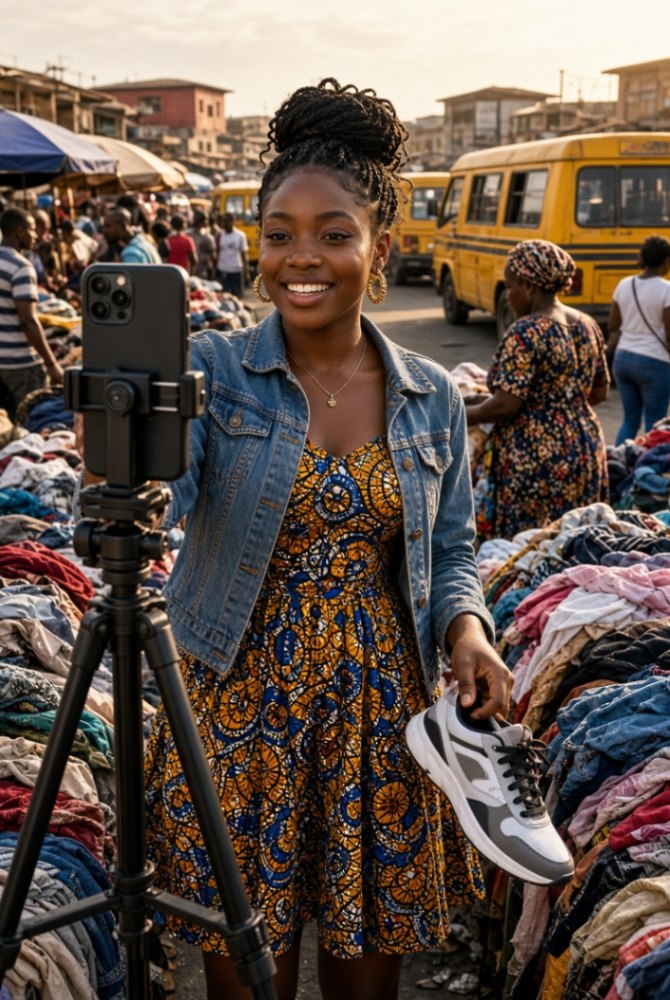
Thrift influencers on TikTok Nigeria are changing how people discover secondhand clothes, shoes, bags, jewellery, hair, and accessories. Instead of visiting only markets or clothing stalls, shoppers can now watch a thrift haul, inspect pieces on video, compare prices, and contact a seller directly from their phones.The growth is taking place within a large digital audience. DataReportal estimated 37.4 million TikTok users aged 18 and above in Nigeria in early 2025, while later advertising-resource figures reported 47.8 million adult users in late 2025. These figures describe advertising reach rather than confirmed monthly active users, but they show why TikTok has become important for fashion discovery in Nigeria.For viewers, thrift content can make secondhand fashion more accessible. For creators and sellers, it can turn a rack of clothes into a visual catalogue. However, a viral video is not the same as a verified transaction. Understanding how thrift influencers work, how pricing is presented, and how to trade safely helps you enjoy the content without overlooking important details.## What Are Thrift Influencers?A thrift influencer is a creator who uses social media content to present, style, review, source, or sell secondhand fashion. On TikTok Nigeria, this may include:- Thrift hauls showing items recently purchased from markets or wholesalers.- “Come thrift with me” videos filmed at markets or clothing stalls.- Try-on videos showing how jackets, jeans, dresses, shoes, or bags fit.- Styling videos built around one secondhand item.- Live-selling sessions where viewers claim items in the comments.- Price comparisons between thrifted and newly manufactured clothing.- Educational videos about washing, repairing, altering, or identifying quality pieces.The influence comes from repeated visual proof. A creator may show the fabric close-up, model the item, explain the size, and answer questions in the comments. This gives viewers more information than a single static product photograph, although it does not remove the need to verify the item independently.## Why TikTok Works for Thrift FashionTikTok is well suited to secondhand fashion because clothing is highly visual and often benefits from movement. A video can show whether trousers stretch, whether a handbag has visible wear, or how a dress looks when styled rather than lying flat.### Discovery happens quicklyTikTok’s recommendation system can expose a small seller or creator to viewers beyond their immediate followers. A Lagos-based creator may reach viewers in Abuja, Port Harcourt, Ibadan, Benin City, or outside Nigeria without operating a physical shop in every location.Short videos also reduce the effort involved in browsing. A viewer can see several outfits in less than a minute and save ideas for a later shopping trip.### Styling adds valueA thrift influencer is not only displaying an item. The creator may demonstrate how to:- Wear an oversized shirt as a dress or layering piece.- Style a vintage blazer with jeans and trainers.- Combine secondhand jewellery with native attire.- Use a scarf or belt to change the appearance of an outfit.- Select accessories for weddings, work, school, or casual outings.This helps viewers think beyond the original item and consider how existing clothes can be reused in different combinations.### Trust is built through consistencyA creator who repeatedly discloses measurements, defects, location, delivery terms, and prices gives viewers more useful information than one who relies only on phrases such as “premium quality” or “first grade.”Trust signals can include:- Clear item descriptions.- Accurate photos and videos.- Visible disclosure of stains, repairs, fading, or missing parts.- Consistent contact details.- Transaction records or buyer feedback that can be independently checked.- A clear explanation of what happens when an item differs materially from its description.These signals are helpful, but comments and follower counts alone do not prove that a seller is reliable.## Common TikTok Thrift Content| Content type | What viewers learn | Detail to verify ||---|---|---|| Thrift haul | Number and type of items found | Whether the items are available for sale || Try-on video | Fit, movement, colour, and styling | Exact measurements and fabric condition || Market vlog | Where and how items are sourced | Whether the creator is the actual seller || Live sale | Real-time availability and pricing | Payment, delivery, and item-claim rules || Before-and-after styling | Possible outfit combinations | Whether every item shown is included || Repair or upcycling video | Ways to extend clothing use | Repair cost, materials, and final condition || “Under ₦10,000” edit | A defined spending range | Whether delivery is included in the price |Prices vary by brand, condition, fabric, scarcity, location, and demand. The following ranges are illustrative examples for content planning and comparison, not fixed market prices.| Item | Illustrative secondhand range | Factors affecting price ||---|---:|---|| T-shirt or casual top | ₦2,000–₦7,000 | Brand, fabric, print, and condition || Jeans or trousers | ₦4,000–₦15,000 | Denim quality, fit, label, and alterations || Dress or skirt | ₦4,000–₦18,000 | Occasion, fabric, finishing, and condition || Blazer or jacket | ₦7,000–₦30,000 | Construction, brand, lining, and wear || Everyday handbag | ₦5,000–₦25,000 | Material, hardware, lining, and damage || Sneakers or flats | ₦6,000–₦35,000 | Sole condition, authenticity, and size || Jewellery or accessories | ₦1,000–₦12,000 | Material, design, and completeness |Use current seller information when publishing prices because inflation, transport costs, import conditions, and local demand can change the amount quickly.## How to Evaluate a TikTok Thrift ListingA TikTok video is often the first point of discovery, not the complete product description. Before agreeing to buy, record the item details and ask focused questions.### Check the itemAsk for:1. The exact size and measurements, including waist, bust, hip, inseam, or shoe insole length where relevant.2. Clear images of the front, back, inside, labels, soles, zips, seams, and corners.3. Any stains, odour, tears, stretching, fading, repairs, peeling, or missing buttons.4. The material or fabric composition if known.5. Whether the item is secondhand, vintage, deadstock, altered, or unused.6. The date of the video and whether the item is still available.7. The full cost, including delivery, packaging, and any transfer charges.Nigerian consumer-protection rules place importance on clear information, price disclosure, accurate descriptions, and disclosure of secondhand or reconditioned goods. The , 2018, also recognises consumer rights relating to fair dealings, misleading representations, product quality, and redress.### Check the transactionKeep the conversation in writing where possible. Confirm:- Seller’s name or business identity.- Collection or delivery location.- Expected delivery timeline.- Courier or dispatch responsibility.- Return, exchange, or resolution terms.- Whether payment is required before dispatch.- What evidence is needed if the item arrives materially different from its description.Avoid relying on a disappearing video, an edited screenshot, or a verbal promise that cannot be reviewed later.## Safety Risks in TikTok Thrift TradingTikTok can create urgency through countdowns, limited quantities, comment claims, and live-sale pressure. These techniques may be part of normal selling, but they can also make careful verification more difficult.### Common warning signs- A seller refuses to show the actual item after displaying a heavily edited video.- The price changes after you ask for delivery details.- The account has copied videos, inconsistent names, or unrelated payment details.- The seller requests payment to an account belonging to another person without a clear explanation.- The seller claims that no questions are allowed because many buyers are waiting.- The listing hides defects or uses only phrases such as “perfect condition” without evidence.- The seller asks for an unusual fee to release a parcel.- A buyer is told to share an OTP, banking password, card PIN, or other confidential security information.No legitimate clothing transaction requires your bank PIN or one-time password. If a transaction feels rushed, pause and verify the identity, item, amount, and delivery arrangement before proceeding.### Safer meet-ups and deliveriesFor local collection, practical precautions include:- Use a public location with people nearby.- Tell someone where you are going and when you expect to return.- Inspect the item before completing payment where the arrangement permits.- Avoid carrying unnecessary cash.- Use a delivery address that protects your privacy.- Record the parcel condition at delivery if the item is shipped.- Keep chats, payment evidence, photographs, and delivery records.These practices are especially relevant on a peer-to-peer marketplace because the platform may connect people without physically holding the item or processing the payment.## What Makes a Responsible Thrift Influencer?Influence carries practical responsibility because viewers may treat a creator’s presentation as a recommendation. Responsible content does not need to be formal or expensive; it needs to be specific and honest.A useful thrift video can include:- The creator’s location or sourcing context.- Item measurements rather than size labels alone.- A close-up of flaws and signs of wear.- Whether the item has been washed, repaired, or altered.- A clear price in naira.- Delivery or collection information.- A statement when an item is sponsored, gifted, or supplied by a seller.- A distinction between personal preference and verifiable fact.For example, “This blazer is a UK 12, but the flat measurements are 20 inches across the chest and 28 inches long; it has light fading near the cuff” is more useful than “This fits everyone.”Creators can also reduce waste by showing repair, alteration, donation, swapping, and re-wearing. Circular fashion is not only about buying another item; it includes keeping garments in use for longer and finding a responsible next destination when they are no longer needed.## Sustainability Beyond the HaulSecondhand fashion can extend the useful life of clothing, but the environmental result depends on what happens before and after the purchase. A large haul that encourages unnecessary buying may still create excess consumption.Nigeria’s textile-waste challenge includes discarded clothing, tailoring offcuts, dumping, and open burning. A describes limited sorting and recovery infrastructure and notes that much textile waste is still reusable or recyclable, while poor disposal can contribute to blocked drainage and pollution.A more circular TikTok approach includes:- Buying pieces with a realistic use case.- Repairing small defects instead of discarding garments.- Donating clean and usable items through transparent channels.- Reworking fabric into bags, hair accessories, patches, or home items.- Sharing care instructions that reduce premature damage.- Avoiding claims that every secondhand purchase is automatically sustainable.The sustainability value of a garment increases when it is worn repeatedly, maintained properly, and kept away from disposal for as long as practical.## For Creators Selling Through TikTokA creator who wants to connect TikTok attention to a secondhand listing can organise the process into three stages.### Before postingPrepare:- A clean, well-lit item.- Front, back, inside, label, and defect images.- Measurements and condition notes.- A price and availability status.- Collection or delivery information.- A written record of each item code.### In the videoShow the item in natural movement and mention the details that affect a buyer’s decision. Avoid exaggerated claims about brand authenticity, condition, rarity, or value unless they can be supported.### After interest is expressedSend the buyer a written summary containing the item, amount, delivery charge, payment status, and agreed next step. Mark the item as pending or sold across channels to reduce double-selling.A simple inventory record can look like this:| Item code | Description | Condition | Price | Status ||---|---|---|---:|---|| BLZ-014 | Black lined blazer, medium | Light cuff wear | ₦12,000 | Available || BAG-022 | Brown shoulder bag | Minor interior marks | ₦8,500 | Pending || SH-031 | White trainers, size 39 | Sole wear disclosed | ₦15,000 | Sold |## Thrift Content Ideas for NigeriaCreators can build useful local content without copying overseas formats. Examples include:- “Three office outfits from one thrifted blazer.”- “How to check a secondhand handbag before buying.”- “Lagos market thrift haul with measurements and prices.”- “Affordable wedding-guest accessories under a stated budget.”- “How I repaired a loose zip instead of discarding the dress.”- “Thrifted unisex outfits for campus.”- “What ₦10,000 buys at different secondhand stalls.”- “How to photograph dark-coloured clothes clearly.”- “Donation, swap, or resale: choosing the next home for unused clothing.”Local context improves usefulness. Lagos humidity, rainy-season transport, campus dressing, officewear, aso-ebi styling, modest fashion, and courier costs all affect how secondhand items are selected and maintained.## Using a WhatsApp-First Marketplace*If a TikTok video creates interest but the creator needs a structured place for the actual item details, Threddo provides a free WhatsApp-first marketplace for secondhand clothing, shoes, bags, jewellery, hair, accessories, and donations. Users can post listings and communicate directly, while still arranging payment, inspection, delivery, and safety carefully through the agreed terms.*A marketplace listing can complement rather than replace TikTok content. TikTok can provide discovery and styling context, while a structured listing can preserve the item’s price, category, condition, location, and contact route.## Buyer Checklist- [ ] The item is still available.- [ ] The exact size and measurements are confirmed.- [ ] Defects are disclosed in writing.- [ ] The displayed price is current.- [ ] Delivery or collection costs are clear.- [ ] The seller’s identity and contact details are consistent.- [ ] The payment recipient matches the agreed seller or has been explained.- [ ] You have not shared an OTP, PIN, password, or sensitive banking information.- [ ] The return, exchange, or dispute arrangement is understood.- [ ] You have saved the listing and conversation.## ConclusionThrift influencers on TikTok Nigeria are making secondhand fashion easier to discover, style, and discuss. Their videos can help shoppers compare garments, learn practical care techniques, and find local sellers, while the wider growth of TikTok gives small fashion businesses a large discovery channel. DataReportal’s Nigeria figures illustrate the scale of that audience, but safe trading still depends on accurate descriptions, written terms, careful verification, and realistic sustainability claims.Use TikTok as a discovery and education tool, then verify the actual item, seller, price, condition, and delivery arrangement before completing a peer-to-peer transaction. This article is for educational purposes only and does not constitute professional advice. Always follow safe trading practices and use your own judgement.Last Updated: October 2026
How Far Can ₦5,000 Really Go at a Thrift Market?
10 Thrift Finds Under ₦2,000 You Need to See
How to Recreate a Celebrity Look With Thrift Pieces
Thrift Date Night Outfits That Don’t Look Cheap
Thrift Outfit Ideas for Campus: Stylish School Looks on a Budget
Thrifted Street Style: Outfits Spotted on Lagos Streets
Have something to give away or sell?
Post your first listing — it only takes a couple of minutes. Or browse listings near you.