T
Loading…
Loading…
Last Updated: September 2026
If you shop secondhand fashion in Nigeria, you have probably heard people say “bale clothes” and “container clothes” as if they mean the same thing. In practice, they often describe different supply chains, quality levels, and pricing patterns, and understanding that difference can help you shop more clearly.
In everyday Nigerian thrift conversations, bale clothes usually refers to secondhand clothes packed and sold in compressed bundles, while container clothes usually points to used clothing imported in larger shipping loads and then sorted into different bale grades before resale. The exact meaning can vary by market, but both terms sit inside Nigeria’s larger thrift and resale ecosystem.
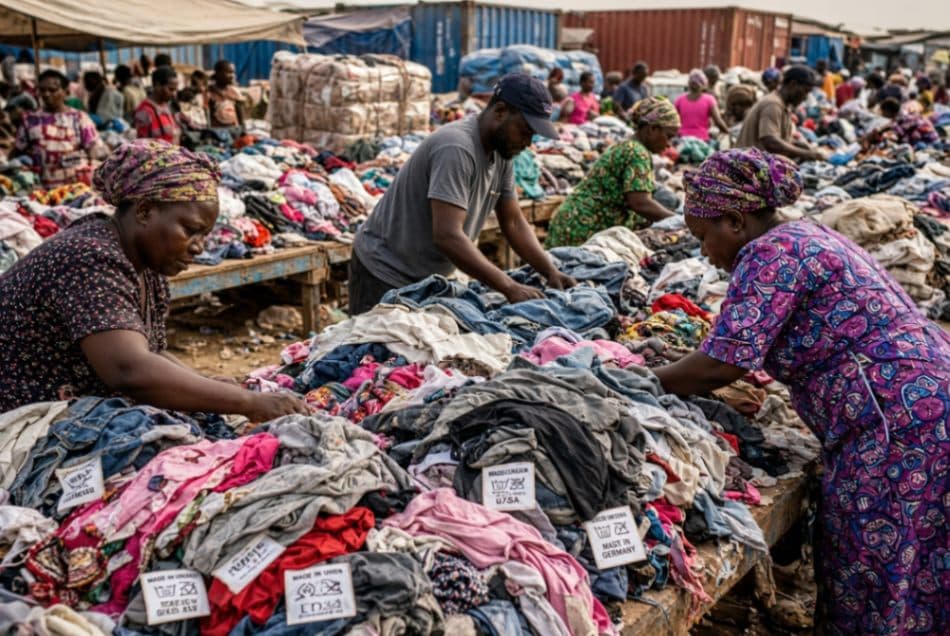
That ecosystem has grown because many shoppers want affordable fashion, variety, and better value than retail fast fashion offers. Nigerian thrift markets are also part of a wider African secondhand trade that researchers describe as large, complex, and tied to both affordability and environmental questions.
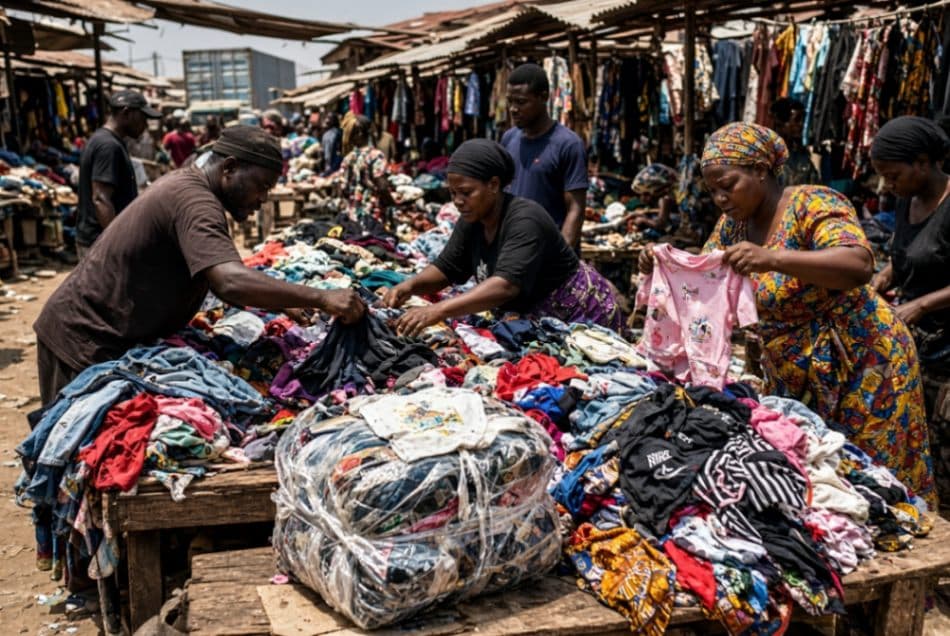
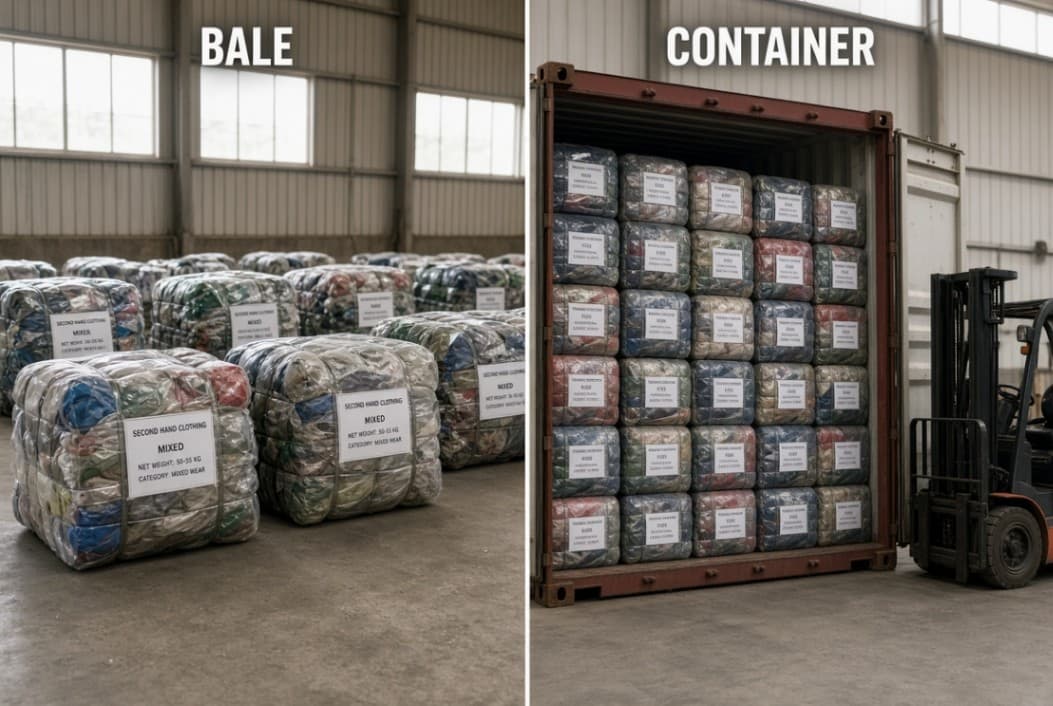
A bale is a compressed package of clothes tied for wholesale or market resale. In many Nigerian markets, bales are opened and sorted by sellers into categories like cream, premium mix, or regular mix, and the final condition depends on the source, sorting, and how many handpicked pieces were removed before packing.
The main attraction is price control at volume. A buyer may get many items at once, which can lower the average cost per piece compared with buying individual thrift items one by one in a retail setting. That same volume also creates risk, because not every piece in the bale will be equally wearable, fashionable, or stain-free.
Container clothes usually refers to used clothing that arrived in larger shipping loads before being sorted into bales or market piles. In many cases, the clothes in a container are not sold as one unit to a casual shopper; instead, they pass through importers, wholesalers, and market sellers before reaching buyers.
In practical terms, “container” often signals supply scale rather than a separate product class. Some sellers use the term to suggest imported quality or fresher stock, but buyers still need to check garment condition, fabric strength, odor, and wear marks before paying.
Have something to give away or sell?
Post your first listing — it only takes a couple of minutes.
The easiest way to think about it is this: bale describes the packaged resale form, while container describes the larger import source or supply channel. A bale can come from container stock, so the two terms are related, but they do not always mean the same thing.
| Factor | Bale clothes | Container clothes |
|---|---|---|
| What it describes | A packed bundle for resale | A larger imported supply source |
| Who handles it | Wholesalers, market sellers, resellers | Importers, wholesalers, distributors |
| How buyers meet it | Often as an opened bundle or sorted pieces | Usually indirectly, after sorting |
| Quality | Varies by grade and sorting | Varies by the final bale or batch |
| Best use case | Bulk buying, resale, budget shopping | Understanding supply origin and grade |
Pricing in thrift fashion depends more on grade than on the word “bale” or “container.” A clean, fashionable, lightly worn dress can cost more than a dull item from a supposedly “better” source, while premium-grade thrift pieces can be priced far above regular mix because they are cleaner and more current.
For Nigerian shoppers, common retail price bands often look like this:
| Item type | Typical thrift range |
|---|---|
| T-shirts and tops | ₦1,500–₦5,000 |
| Shirts and blouses | ₦2,500–₦7,000 |
| Jeans and trousers | ₦4,000–₦12,000 |
| Dresses | ₦3,500–₦15,000 |
| Shoes | ₦4,000–₦20,000 |
| Bags | ₦3,000–₦18,000 |
These ranges vary by city, market, condition, brand, and season. In Lagos, Abuja, Port Harcourt, and other active fashion markets, clean and trendy pieces often move faster and attract higher pricing than older or damaged stock.
When I check thrift items, I focus on condition first and label second. A bargain is only a bargain if the item can actually be worn, cleaned, or resold without hidden damage. That practical approach matters in secondhand trade because imported clothing markets often mix premium pieces with lower-grade leftovers.
Safe thrift trading is about clear descriptions, honest photos, and careful handoff practices. Nigeria’s consumer protection framework under the Federal Competition and Consumer Protection Commission is built around fair dealing, truthful information, and protection against misleading or unfair business practices.
For buyers and sellers, practical safety habits reduce disputes:
Those habits are especially useful in peer-to-peer fashion trade, where a buyer often cannot touch the item before paying. They also fit WhatsApp-first marketplaces, where trust is created through evidence, not promises.
Bale buying makes sense when the goal is volume, resale stock, or sourcing multiple items at once. Container-origin stock makes more sense as a supply concept, especially for people trying to understand why some batches look cleaner, more current, or more expensive than others.
For everyday shoppers, the practical question is usually not “Is this bale or container?” but “Is this item clean, wearable, priced fairly, and accurately described?” That question is more useful because quality in thrift trade is determined by sorting, condition, and honesty, not only by supply label.
A student looking for affordable campus outfits may prefer a sorted thrift rack because it allows single-item picking and easier sizing. A reseller looking to stock a small Instagram or WhatsApp shop may prefer bale purchasing because it creates more inventory per transaction.
For example, a seller who buys a mixed bale of 50 tops may find 30 strong pieces, 10 average pieces, and 10 that are better kept out of the main display. That is why experienced thrifters often treat bale shopping like a sorting job, not just a buying job.
Nigeria’s secondhand clothing market is part of a bigger African trade that researchers link to affordability, reuse, and circular economy activity, while also noting concerns about waste, local industry pressure, and uneven trade flows. One recent study found that West African countries such as Nigeria are among major importers in the secondhand trade network.
That is why thrift remains important in Nigeria: it expands access to fashion while giving garments a second life. At the same time, the market works better when buyers inspect carefully and sellers present stock honestly, because trust is the real currency of peer-to-peer trade.
On Threddo, this kind of clarity matters because buyers and sellers can list secondhand clothes, shoes, bags, jewellery, hair, and accessories directly, with no fees and no in-app payment layer; that makes accurate descriptions and safe meetup habits especially useful. See safety and listings for the platform rules and posting flow.
If you are comparing bale vs container clothes, use this short guide:
That approach keeps the decision practical and avoids confusion in markets where the two terms are often used loosely. It also helps shoppers spend more wisely in a space where quality varies widely from batch to batch.
Bale clothes describe the bundle you buy, while container clothes usually describe the larger supply source behind that bundle. Once you understand that difference, thrift shopping becomes easier to navigate, whether you are buying for personal style, budget, or resale. This article is for educational purposes only and does not constitute professional advice. Always follow safe trading practices and use your own judgement.