T
Loading…
Loading…
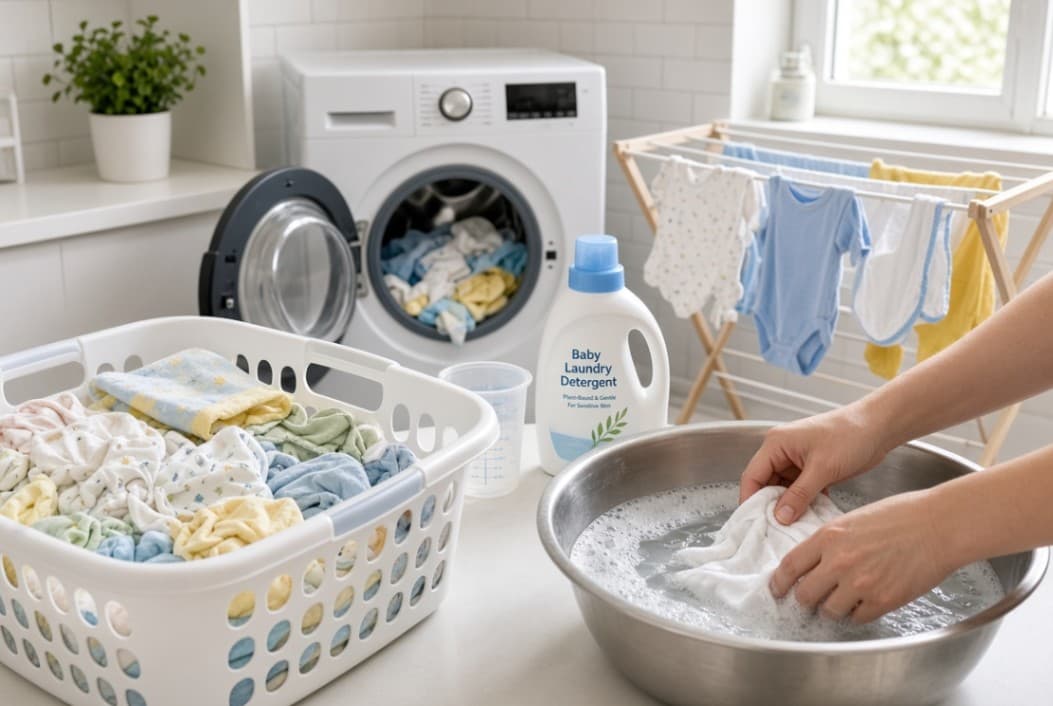
Buying secondhand baby clothes can reduce costs, extend the life of good garments, and keep usable textiles out of Nigeria’s growing waste stream. Before a baby wears a thrifted babygrow, sleepsuit, wrapper, sock, or cardigan, a careful wash removes dirt, body oils, odours, detergent residue, and many germs picked up during storage and handling.
The safest approach is usually straightforward: inspect the clothing, separate it from clean laundry, wash it with detergent using the warmest fabric-safe water, rinse thoroughly, and dry it completely. The Centers for Disease Control and Prevention explains that laundry should be washed with detergent at the recommended temperature and dried fully; routine chemical disinfection is not generally needed in ordinary homes unless there is a specific illness or contamination concern.
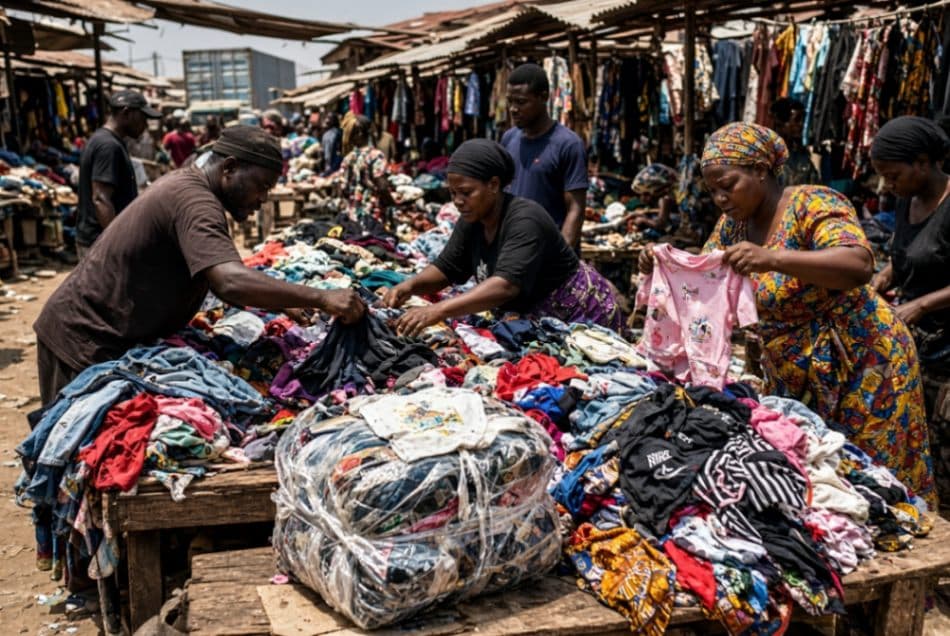
Secondhand clothing may have passed through several hands, bags, shops, vehicles, warehouses, and storage spaces before reaching your home. Even when a garment looks clean, it can retain sweat, dust, fragrance, skin oils, mildew odour, or residues from previous washing.
Babies also spend considerable time in close contact with clothing. Their skin may be more sensitive to fragrances, dyes, fabric softeners, and leftover detergent. The American Academy of Pediatrics’ HealthyChildren guidance recommends washing baby clothes before use, particularly because you may not know who handled them or what products were previously used on them.
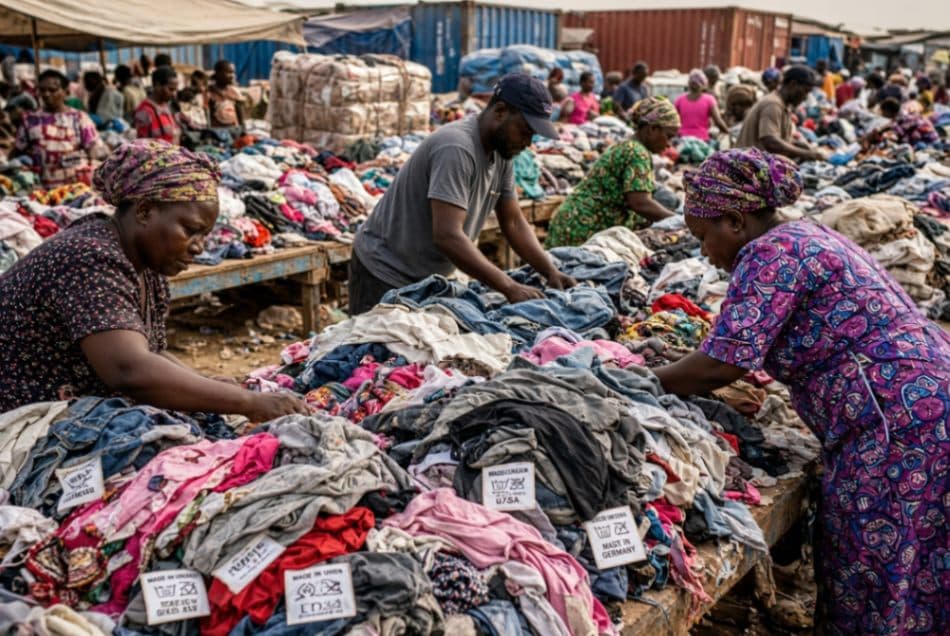
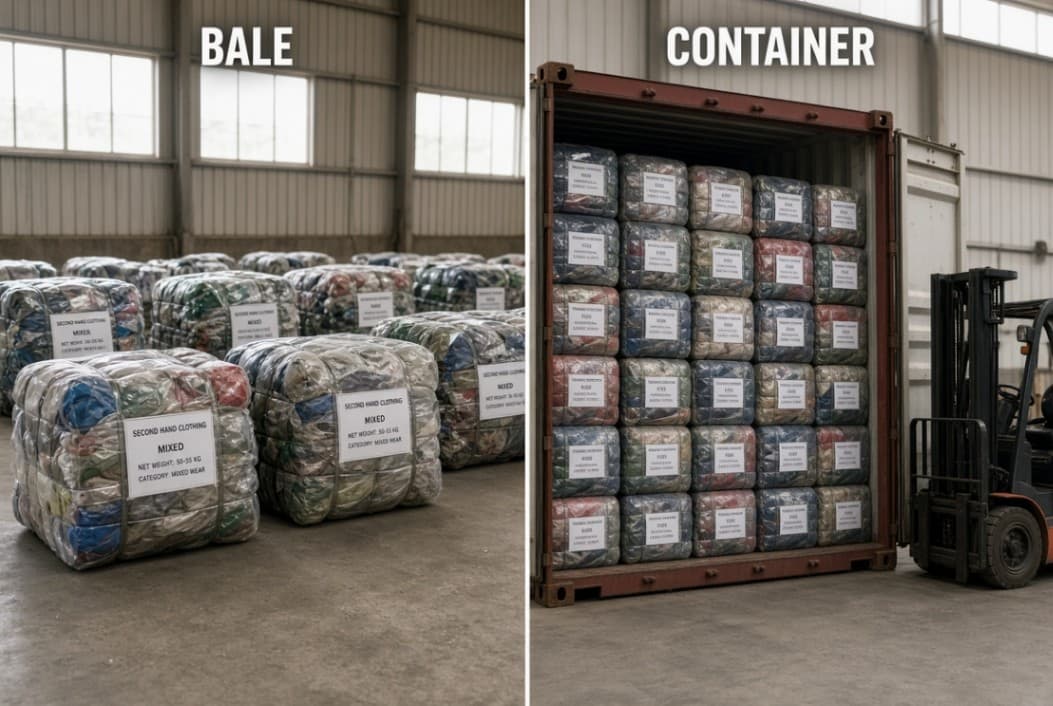
Washing also supports circular fashion. Nigeria imported approximately US$176 million worth of secondhand clothing in 2021, according to figures cited by Innovate UK Business Connect, although some imported garments arrive in poor condition and become waste. Keeping wearable baby clothes in circulation can reduce the need to buy new items, while proper sorting and reuse can help prevent damaged textiles from being dumped or burned.
People often use “sanitize” to mean “wash very thoroughly,” but the terms have different meanings:
| Term | Meaning | What it usually involves |
|---|---|---|
| Cleaning | Removing dirt, oils, stains, and many germs |
Have something to give away or sell?
Post your first listing — it only takes a couple of minutes.
| Water, detergent, agitation, and rinsing |
| Sanitizing | Reducing germs to a safer level | An appropriate sanitizing method after cleaning |
| Disinfecting | Killing most germs on an object or surface | A suitable disinfectant used according to its label |
For washable clothing, a complete detergent wash followed by thorough drying is usually the practical starting point. CDC guidance states that laundry should be washed with detergent at the recommended water temperature and dried completely.
Disinfectant sprays and household bleach are not automatic substitutes for washing. They may damage fabric, leave residues, irritate skin, or create dangerous fumes if used incorrectly.
Look for the care label, fibre type, colour-fastness instructions, and warnings such as “hand wash,” “do not bleach,” or “dry clean only.” If there is no label, treat the garment cautiously and begin with cool or lukewarm water.
Pay close attention to:
A garment that is already brittle, mouldy, heavily stained, or shedding fibres may not be suitable for a baby. Washing cannot repair structural damage or remove every possible chemical residue.
Check pockets, folds, cuffs, and hoods for:
Remove detachable decorations if the care instructions permit it. Fasten Velcro before washing so it does not catch on other clothes. Small items such as socks can go into a clean mesh laundry bag.
Keep secondhand baby clothes separate from the baby’s clean wardrobe until they have been washed and dried. Sort them into groups such as:
Do not mix a heavily soiled garment with delicate baby clothes. For severe mould, unknown chemical contamination, or persistent sewage-like odour, setting the garment aside may be safer than trying multiple chemical treatments at home.
Place the clothes in a clean, shaded, well-ventilated area while you inspect them. Brief airing can reduce trapped odours and makes stains easier to identify.
Avoid shaking dusty clothes inside the living area, especially near the baby. Wash your hands after handling visibly dirty garments.
Rinse mud, dust, food, and loose dirt under running water or in a basin. For faeces or vomit, remove solid material carefully with disposable tissue or a dedicated tool, then rinse the garment.
Avoid rubbing contaminated material into the fabric. Clean the basin afterwards with soap and water.
Apply a small amount of liquid laundry detergent to a damp stain and allow it to sit briefly according to the product instructions. Gently work the fabric with your fingers or a soft brush.
For common baby-clothing stains:
| Stain or odour | Practical first step | Caution |
|---|---|---|
| Milk or formula | Rinse with cool water, then wash with detergent | Hot water can set some protein stains |
| Food | Remove solids, rinse, and pre-treat | Test stain removers on a hidden area |
| Dirt or mud | Let excess dirt dry, brush it off, then rinse | Avoid grinding dry dirt deeper into fibres |
| Smoke smell | Air the garment, then wash separately | Repeat washing may be needed |
| Mildew smell | Inspect carefully and wash only if fabric is sound | Persistent mould or stains may justify discarding |
| Unknown stain | Use a mild detergent wash first | Avoid combining several chemicals |
Do not mix bleach, vinegar, ammonia, toilet cleaner, or other cleaning products. CDC guidance specifically warns against mixing disinfection products or chemicals.
Use a regular laundry detergent that is appropriate for the fabric. A fragrance-free or low-fragrance detergent can reduce exposure to added scent, especially where the baby has previously reacted to laundry products.
Baby-specific detergent is not automatically required for every household. HealthyChildren notes that many families wash baby clothes with ordinary family laundry without problems, while milder or fragrance-free detergent can be considered when irritation occurs.
For hand washing:
For machine washing:
For ordinary secondhand clothes, a complete detergent wash and full drying may be sufficient. Additional sanitizing may be considered when the garment has a specific contamination concern, but the method must suit the textile.
Possible options include:
Chlorine bleach is not suitable for every garment. It can strip colour, weaken elastic, damage prints, and leave irritating residues if rinsing is inadequate. CDC information also notes that bleach products differ and that label directions, ventilation, and protective equipment matter when bleach is used.
Never pour undiluted bleach directly onto baby clothing. Never mix bleach with vinegar, ammonia, acids, or other cleaners. If a product is marketed as a disinfectant in Nigeria, check its label and regulatory information; NAFDAC maintains a Greenbook database containing regulated product information, including disinfectants.
Rinsing is especially important for baby clothes because garments touch the skin for long periods. Continue rinsing hand-washed clothing until there are no visible suds and the fabric no longer feels slippery.
Avoid fabric softener unless the product is clearly appropriate and the baby has tolerated it. Fabric softeners can add fragrances or residues that may irritate sensitive skin.
Dry the clothes fully before folding or storing them. Damp clothing placed in a basket or cupboard can develop a musty smell and support mould growth.
In many Nigerian homes, drying options include:
Avoid placing clean baby clothes on dusty railings, unwashed surfaces, or areas exposed to traffic fumes. CDC laundry guidance recommends complete drying after washing.
When dry, check each item for:
A second wash may address a remaining ordinary odour. However, persistent mould, chemical smell, or damaged construction is a reason to stop using the item for a baby.
| Baby clothing item | Washing approach | Extra check |
|---|---|---|
| Cotton bodysuits | Machine or hand wash with detergent | Check snaps and neck opening |
| Sleepsuits | Warmest label-safe cycle and complete drying | Inspect zips and foot areas |
| Socks and mittens | Wash in a mesh bag | Check for loose threads |
| Wool cardigan | Hand wash or wool cycle | Dry flat; avoid wringing |
| Bibs | Pre-rinse food stains and wash thoroughly | Inspect waterproof backing |
| Hats | Hand wash if structured or decorated | Check inner sweatband |
| Shoes | Clean according to material | Do not soak leather or glued soles |
| Padded jackets | Follow label instructions carefully | Ensure filling dries completely |
| Cloth nappies | Wash separately | Use the manufacturer’s recommended cycle |
| Hair accessories | Wash or wipe according to material | Check for sharp edges and loose parts |
Bleach is not a general-purpose answer for secondhand baby clothes. Avoid chlorine bleach when:
If bleach is used for an appropriate washable item, follow the product label rather than guessing the dilution. CDC guidance recommends regular unscented bleach within the stated sodium-hypochlorite range for certain disinfection purposes and warns that splashless or unspecified products may not be appropriate.
Use gloves where the label recommends them, open windows or doors, keep the product away from children, and store it in its original labelled container.
A strong smell does not automatically mean that a garment is unsafe, but it indicates that the item needs further inspection and cleaning.
Try this sequence:
Avoid spraying perfume onto baby clothes to cover an odour. Fragrance can remain in the fabric and may be uncomfortable for babies with sensitive skin.
Before the baby wears a secondhand garment, confirm:
Prices vary by city, brand, pack size, and whether washing is done at home or through a laundry service. The figures below are planning examples rather than fixed market prices.
| Cleaning option | Typical household cost area | Suitable use |
|---|---|---|
| Hand washing with existing detergent | ₦0 additional cash cost | Small batches |
| Detergent for one small batch | About ₦100–₦500 | Light to moderate load |
| Fragrance-free or baby-compatible detergent | About ₦500–₦2,500 | When a milder product is preferred |
| Mesh laundry bag | About ₦1,000–₦4,000 | Socks, mittens, small items |
| Laundry sanitizer | About ₦2,000–₦8,000 per product | Specific label-approved use |
| Professional washing | About ₦500–₦2,000 per item or more | Delicate or bulky garments |
Check the product label and local price before purchase. A clean basin, ordinary detergent, complete rinsing, and proper drying can handle many washable baby clothes without specialised products.
Sanitizing begins before the clothes reach your home. When buying or receiving baby clothes, ask for clear information about:
For peer-to-peer purchases, avoid sending payment based only on pressure or an unclear photograph. Request additional images of labels, seams, stains, and fasteners where relevant. Arrange exchanges in a public place and keep communication records.
Nigeria’s Federal Competition and Consumer Protection Act recognises consumer rights relating to information, quality, and safety of goods, although secondhand peer-to-peer transactions can involve practical limits depending on the parties and transaction structure. This is general educational information, not legal advice; questions about a specific dispute may require guidance from a qualified Nigerian consumer-protection professional.
Threddo provides a WhatsApp-first place for listing or finding secondhand clothing, including children’s items and donations. When posting or responding to a listing, use clear photos, describe stains or damage honestly, and follow the platform’s Safety Guide.
To sanitize baby clothes bought secondhand, inspect them first, separate them from clean laundry, remove visible dirt, wash with suitable detergent, rinse thoroughly, and dry completely. Use bleach or laundry sanitizer only when the product and fabric instructions permit it, and never mix cleaning chemicals. This routine supports safer reuse while helping Nigerian families keep good baby clothes in circulation for longer.
This article is for educational purposes only and does not constitute professional advice. Always follow safe trading practices and use your own judgement.