T
Loading…
Loading…
Last Updated: September 2026
Yes, secondhand baby clothes can be safe to buy when you inspect them carefully, wash them properly, and avoid items with hidden hazards like loose ties, stains, or damaged fastenings. Baby skin is more sensitive than adult skin, and pediatric guidance recommends washing clothing before first use because you do not know who handled it before it reached you.
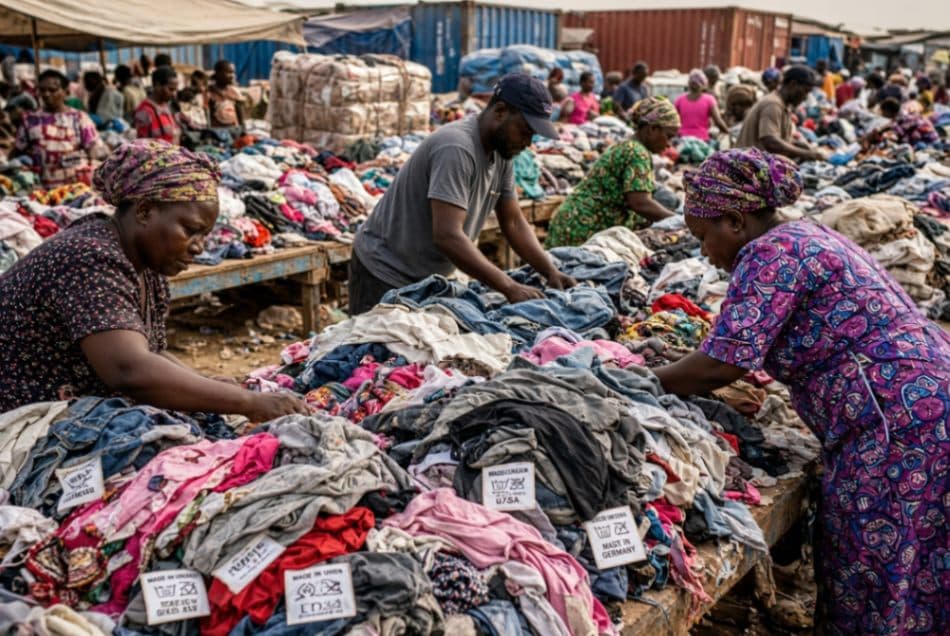
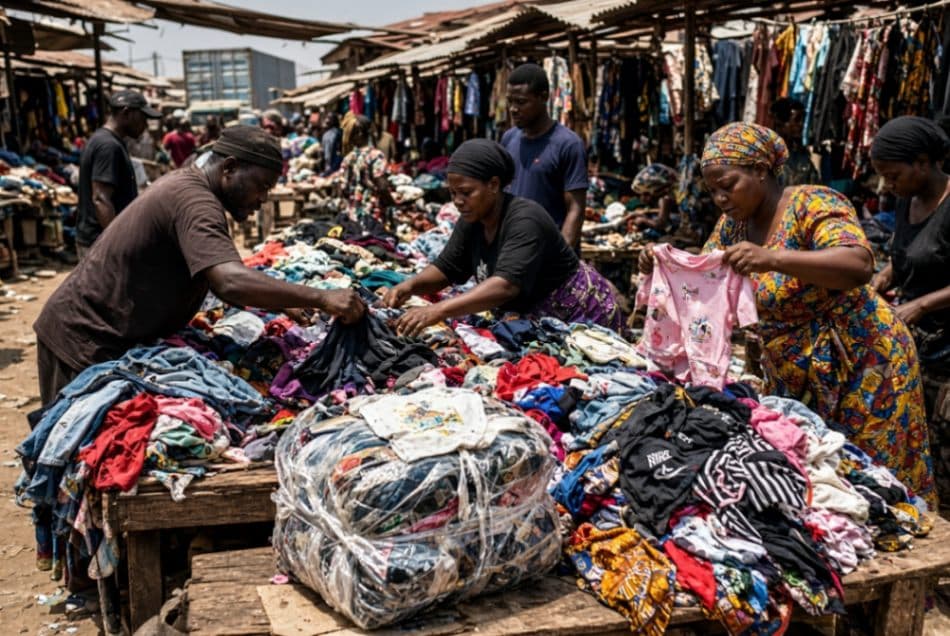
Secondhand baby clothes are popular because they are affordable and often good quality, especially when the fabric is still strong and the stitching is intact. In Nigeria, the broader secondhand clothing economy remains active because it gives families access to lower-cost fashion while reducing textile waste.
For baby items, though, the safety standard is higher than for adult clothes because infants have delicate skin, small airways, and a stronger need for clean, well-fitting clothing. That is why the real question is not whether secondhand baby clothes are automatically unsafe; it is whether the item passes hygiene, fit, and hazard checks before use.
When I look at baby clothes, I focus on four safety layers: cleanliness, fabric condition, physical design, and fit. Pediatric and child-health guidance supports washing baby clothes before use, and child clothing guidance also highlights the importance of avoiding cords, loose threads, and other hazards. A good secondhand item should feel soft, smell neutral after washing, and show no signs of damage that could irritate skin or tangle around fingers and toes. For newborns and younger babies, this matters even more because their skin barrier is thinner and more reactive than adult skin.
Use this checklist before buying any secondhand baby item:
Have something to give away or sell?
Post your first listing — it only takes a couple of minutes.
Not every fabric behaves the same on a baby’s skin. Cotton is usually easier to wash, softer after proper drying, and more breathable in hot weather, which is useful in Nigeria’s climate. Mixed fabrics can also be fine if they are still intact, but items that trap heat, shed lint, or feel rough may be less comfortable for daily wear. Clothing guidance for babies also recommends checking for natural fibres where possible, easy fastenings, and no neck ties or cords that create strangulation risk. If you are buying pajamas or sleepwear, fit matters as much as fabric because loose sleepwear can create a fire hazard in settings where safety standards apply.
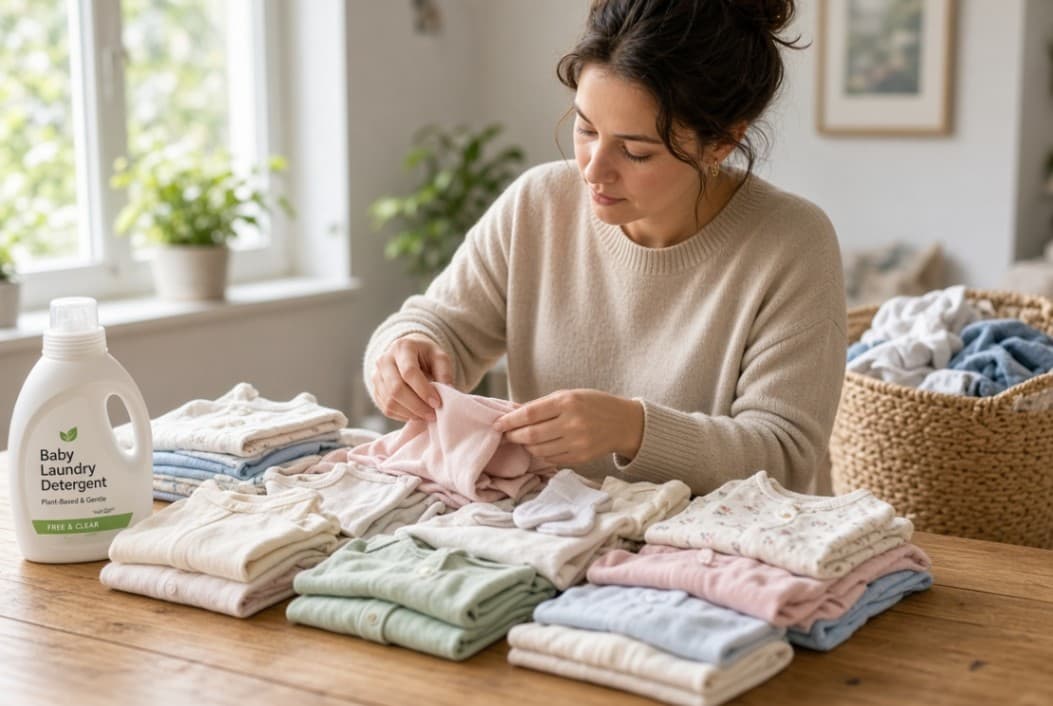
A clean secondhand item starts with a proper wash, not just a quick rinse. Public health guidance for babies recommends washing clothes before use, and multiple child-care sources note that a mild detergent and thorough drying are practical for reducing irritants and dirt. A simple routine works well:
For everyday loads, warm water around 30–40°C is commonly used for baby laundry, while hotter water is more useful for heavily soiled items. If the baby has sensitive skin, fragrance-free detergent is a common practical choice, although some health sources note that special baby detergent is not always necessary for every child.
Some secondhand baby items are better left out of the basket because cleaning alone may not solve the problem. Damaged elastic, broken snaps, harsh chemical smell, or permanent body-fluid stains are all warning signs. I would also treat items with loose decorative parts, scratchy sequins, peeling prints, or thick inner labels as higher-risk because they can irritate skin or become choking hazards. If an item carries a lingering mould smell after washing, it is usually a sign that the fabric has absorbed moisture deeply and may not be worth keeping. Baby clothing guidance also warns against cords, long neck ties, and loose threads because these can create entanglement or strangulation risks.
When you are buying in Nigeria, the practical process is often more important than the price tag. In online and peer-to-peer sales, the Federal Competition and Consumer Protection Commission says businesses should clearly disclose used or second-hand goods, provide price information, and ensure consumers receive relevant material information before payment. That means a seller should not hide defects, blur condition in photos, or present a clearly used item as if it were new. For local buying, especially through WhatsApp or marketplace listings, keep communication simple and ask for close-up photos of collars, seams, fasteners, labels, and stains before agreeing to buy.
These questions help you compare items more clearly and reduce surprises after purchase.
Secondhand baby clothing prices vary widely by city, seller, fabric quality, and whether the item is sold as a bundle or a single piece. In practical thrift shopping, basic onesies, baby vests, and rompers are often sold at lower bundle prices, while branded sets, jackets, shoes, and occasion wear cost more because of condition and demand. Here is a simple Nigeria-focused guide for common ranges:
| Item type | Usual thrift range in ₦ | What affects the price |
|---|---|---|
| Single baby vest or onesie | ₦500–₦2,000 | Fabric, condition, brand |
| Baby romper or jumpsuit | ₦1,000–₦4,000 | Size, pattern, fasteners |
| Baby trousers or leggings | ₦800–₦3,000 | Elastic quality, fabric stretch |
| Sleepwear or pajamas | ₦1,500–₦5,000 | Fit, fabric, safety details |
| Bundle of mixed baby clothes | ₦3,000–₦15,000 | Quantity, quality, age range |
These figures are practical market ranges rather than fixed prices, so the real value depends on condition, season, and seller transparency.
Nigeria’s consumer-protection rules are useful here because they support fair buying conditions for used goods. The FCCPC’s public guidance says businesses have to disclose material facts, including prices, and clearly identify second-hand or reconditioned products. The same framework also supports the consumer’s right to information in plain language and the right to goods that are reasonably suitable for their intended purpose. If a listing hides the condition of an item or leaves out serious defects, that is a red flag from a consumer-rights perspective, not just a style issue.
Secondhand baby clothes make sense when the item is simple, washable, and free from structural damage. Everyday pieces like cotton vests, rompers, bibs, cardigans, and mittens are often easier to inspect and clean than items with complex trims or heavy decorative parts. Hand-me-downs can also work well for short-use stages like newborn months, when babies outgrow sizes quickly and many items are barely worn. The strongest value usually comes from items that are easy to wash, easy to dry, and easy to inspect in daylight before payment.
There are moments when passing on an item is the cleaner choice. That includes clothes with unknown chemical odours, visible mould, stubborn stains, damaged sleepwear, or any design feature that creates a safety concern around the neck, hands, or feet. If the fabric feels brittle, has lost shape, or keeps shedding lint after washing, it is less likely to stay comfortable on a baby’s skin. For baby sleepwear especially, the fit and construction matter because loose cords and poor sizing can create unnecessary risk.
Here is the easiest rule I use: inspect, ask, wash, and recheck. First, inspect the item under good light. Second, ask the seller direct questions about condition and history. Third, wash it before use with a mild detergent. Fourth, check again after drying to make sure the fabric still feels soft, clean, and intact. That process is simple, but it catches many of the problems that matter most in secondhand baby clothing.
If you are listing or browsing baby clothes on Threddo, the useful habit is to post clear photos, mention condition honestly, and keep communication direct so buyers can inspect the item before meeting or exchanging contact. That kind of business guidance aligns with the consumer-information principles the FCCPC already emphasizes for used goods and e-commerce.
So, is secondhand baby clothes safe? Yes, when the item is clean, well-made, properly washed, and free from hazards like cords, mould, broken fasteners, and strong chemical smells. In Nigeria, the safest approach is to combine careful inspection, proper washing, and clear seller disclosure so you reduce hygiene risks and avoid misleading listings. This article is for educational purposes only and does not constitute professional advice. Always follow safe trading practices and use your own judgement.