T
Loading…
Loading…
Last Updated: September 2026
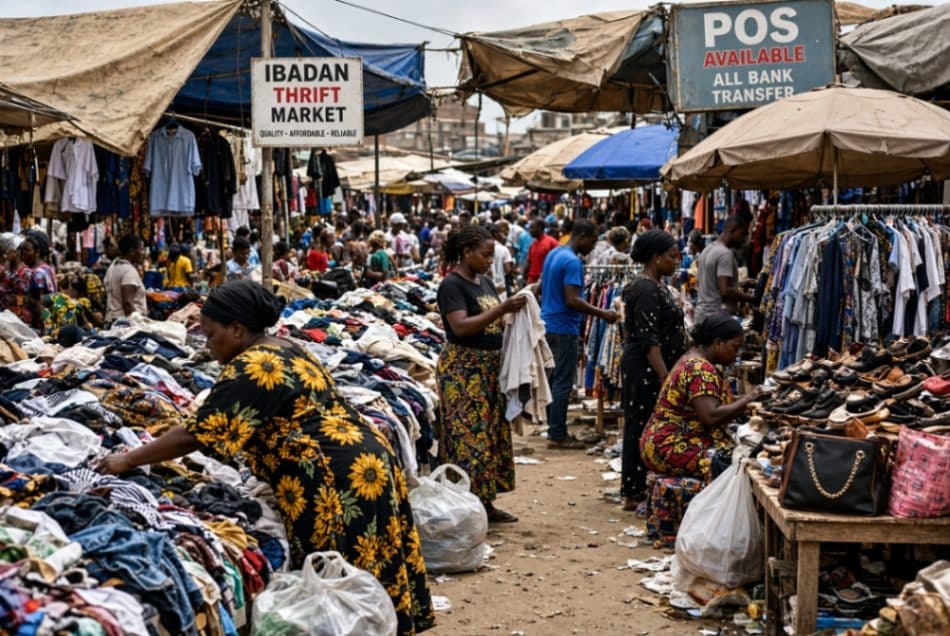
Ibadan thrift shopping is one of the easiest ways to find affordable fashion, shoes, bags, and accessories while keeping spending under control. If you are searching for “thrift market Ibadan,” the most useful places to understand are Bodija, Gate, and Dugbe because each one fits a different shopping style, budget, and level of patience.
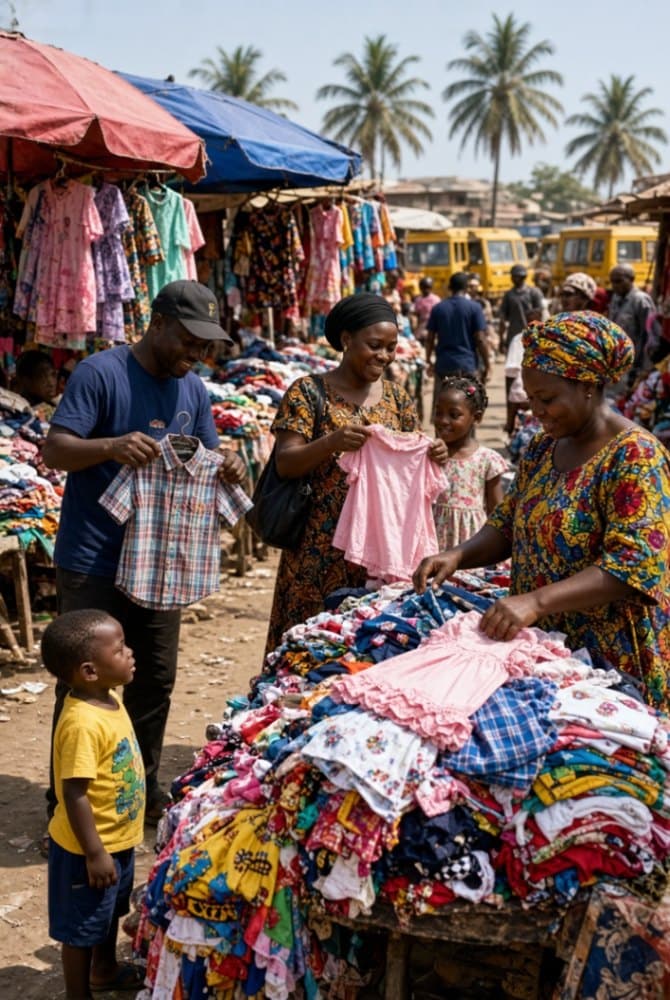
Thrift shopping works well in Ibadan because the city has a large student population, busy commercial markets, and a strong culture of buying practical, affordable clothing. Secondhand fashion also fits circular-economy thinking, since it extends the life of garments instead of sending them straight into waste streams.
For many buyers, thrift is not only about low price. It is also about variety, one-off pieces, better fabric quality than some fast-fashion items, and the chance to build a wardrobe with less waste. In Nigeria, where clothing budgets often compete with transport, food, and school costs, the value of used fashion is easy to understand.
The three names people mention most often are not identical in character. Bodija tends to attract buyers looking for a more organized, mixed crowd; Gate is often associated with movement, visibility, and quick-access buying; and Dugbe is known for commercial density and bargain hunting. That difference matters because thrift success depends as much on timing and selection as on price.
Here is a practical way to think about them:
| Area | Shopping feel | What to look for | Typical buyer type |
|---|---|---|---|
| Bodija | Busy, fairly structured, wide mix of items | Office wear, casual clothes, bags, shoes | Buyers who want choice and a calmer pace |
| Gate | Fast-moving, street-style browsing | Everyday wear, sneakers, simple outfits | Buyers who want quick finds |
| Dugbe | Dense commercial market atmosphere | Bargains, mixed stock, accessories | Bargain hunters and experienced thrifters |
Because market stock changes quickly, the same area can feel different on different days. A good thrift run usually depends on arrival time, how carefully you inspect items, and how quickly you decide on fit and condition.
Have something to give away or sell?
Post your first listing — it only takes a couple of minutes.
Different markets are better for different categories. If you are shopping for clothing, Bodija often gives a broader feel for styles and sizes. If you are after affordable everyday wear, Gate can reward fast decision-making. Dugbe can be useful for accessory hunting, mixed lots, and items you can inspect closely before paying.
When buying clothes, focus on seams, underarms, waistbands, and hems. These are the places where wear shows first. Cotton shirts, denim, jackets, and structured skirts often hold up better than delicate synthetics if the garment has already been worn many times.
For shoes, check the sole, heel, inner lining, and toe box. Smell matters too, especially if the shoe has been stored in heat or moisture. A shoe that looks fine from the outside may still be uncomfortable if the insole has collapsed.
Bags are easier to inspect than clothes, but zips, handles, and corners tell the real story. A bag with strong stitching and a clean lining can last a long time even if the outside has light marks. This is where a careful hand can make a big difference.
For jewellery, look for missing stones, broken clasps, bent hooks, and discolouration. For belts, hats, sunglasses, scarves, and hair accessories, check the closure points and any hidden wear. These items are often cheaper, so small defects matter less if the item still functions well.
Thrift prices in Ibadan vary by item type, condition, brand, and seller location. Prices also shift based on demand and how quickly a seller wants to move stock. The ranges below are practical guideposts, not fixed market rules.
| Item | Lower range | Mid-range | Higher range |
|---|---|---|---|
| T-shirts | ₦1,000–₦2,500 | ₦2,500–₦4,000 | ₦4,500+ |
| Shirts/blouses | ₦1,500–₦3,000 | ₦3,000–₦5,000 | ₦5,500+ |
| Jeans/trousers | ₦2,000–₦4,500 | ₦4,500–₦7,000 | ₦7,500+ |
| Dresses | ₦2,000–₦5,000 | ₦5,000–₦8,000 | ₦8,500+ |
| Sneakers | ₦3,500–₦8,000 | ₦8,000–₦15,000 | ₦15,000+ |
| Handbags | ₦2,500–₦6,000 | ₦6,000–₦12,000 | ₦12,000+ |
| Costume jewellery | ₦500–₦2,000 | ₦2,000–₦5,000 | ₦5,500+ |
These ranges make more sense when you compare them with new retail prices. In many secondhand markets, the buyer is paying mainly for condition, style, and usefulness rather than for brand-new packaging.
Thrift shopping rewards method, not speed alone. A simple plan helps you avoid impulse buying and improves your chance of leaving with items you will actually wear.
A useful habit is to carry a small bag, some cash, and a mental list of what you actually need. That keeps you focused when the market is crowded and sellers are calling attention from every side.
Safety matters in secondhand trading because you are often buying from a direct seller with no formal checkout system. Nigeria’s consumer protection framework generally expects businesses to avoid misleading claims and to deal fairly with buyers, and the Federal Competition and Consumer Protection Commission provides public guidance on consumer rights and redress. That does not remove the need for personal caution in open markets.
Practical safety habits include meeting in visible areas, checking items before payment, and confirming price clearly before handing over money. If a seller describes an item as “new” or “almost new,” examine the garment carefully so the condition matches the claim. For online or WhatsApp-based thrift deals, keep screenshots of the listing, price, and agreed pickup point as a basic record.
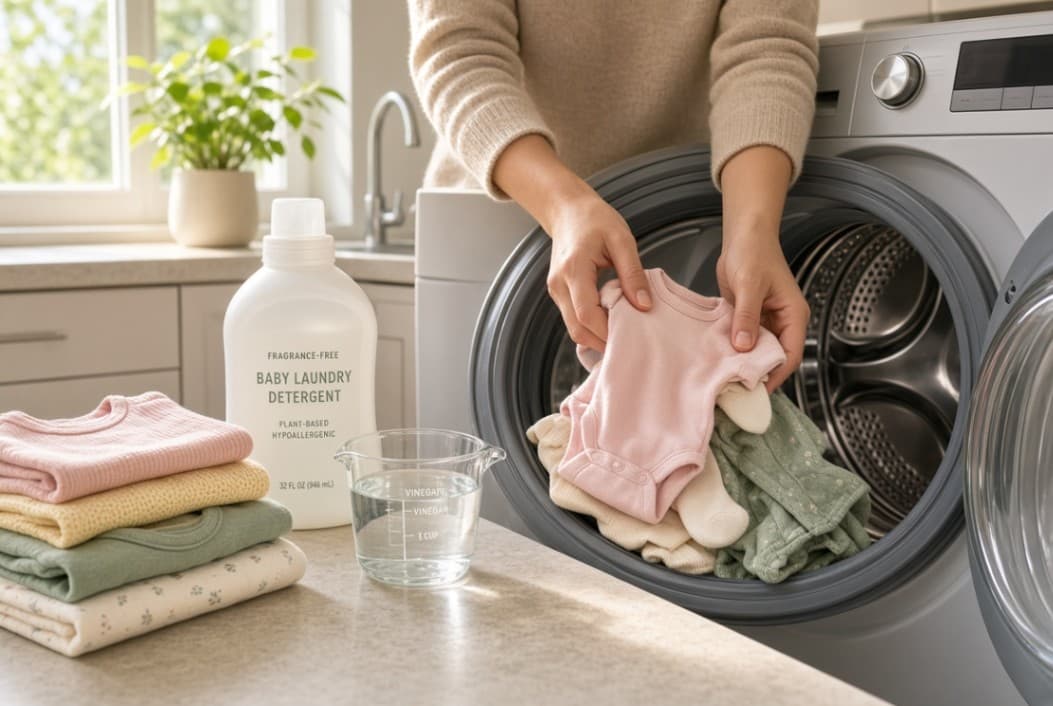
For hygiene, wash secondhand clothing before first wear and clean shoes or bags according to material type. That is a practical habit, not a sign that thrift is low quality; it is simply part of safe secondhand buying.
Time can change your result as much as location. Early visits often give you first access to fresh stock, while later visits sometimes bring more room for bargaining if the seller wants to clear out inventory. Weekends can be busier, which means more competition but also more overall stock movement.
If you are shopping near a public transport route, plan your route before going so you do not carry too many items across multiple stops. Ibadan is large, and transport time affects the real cost of a thrift run just as much as the item price itself.
Thrift works especially well when you build outfits around one strong item. A good denim jacket, tailored shirt, or structured bag can make a simple outfit look intentional. In practice, a secondhand wardrobe often looks more polished when you mix one thrift piece with one neutral staple you already own.
Examples:
This approach helps you get more use out of each buy and reduces the chance of purchasing random items that do not fit your existing clothes.
Many thrift shoppers lose money not because the market is expensive, but because they buy too quickly. Another common mistake is focusing only on brand names while ignoring fit and fabric condition. A known label with damage can be less useful than an unlabeled item that fits perfectly and wears well.
Other mistakes include:
A calm, deliberate approach usually gives better value than chasing every appealing item in the market.
You can make thrift shopping easier by repeating the same routine each time you visit.
This routine works especially well in busy places like Dugbe, where many options compete for attention and the temptation to buy quickly is high.
Secondhand fashion supports a circular approach because it keeps clothing in use longer and reduces immediate disposal. Research on secondhand clothing in Africa shows that the trade is large and commercially important, while also carrying environmental and industry concerns that deserve attention. In Nigeria, that means thrift can be both practical for shoppers and relevant to wider conversations about textile waste, repair, reuse, and responsible consumption.
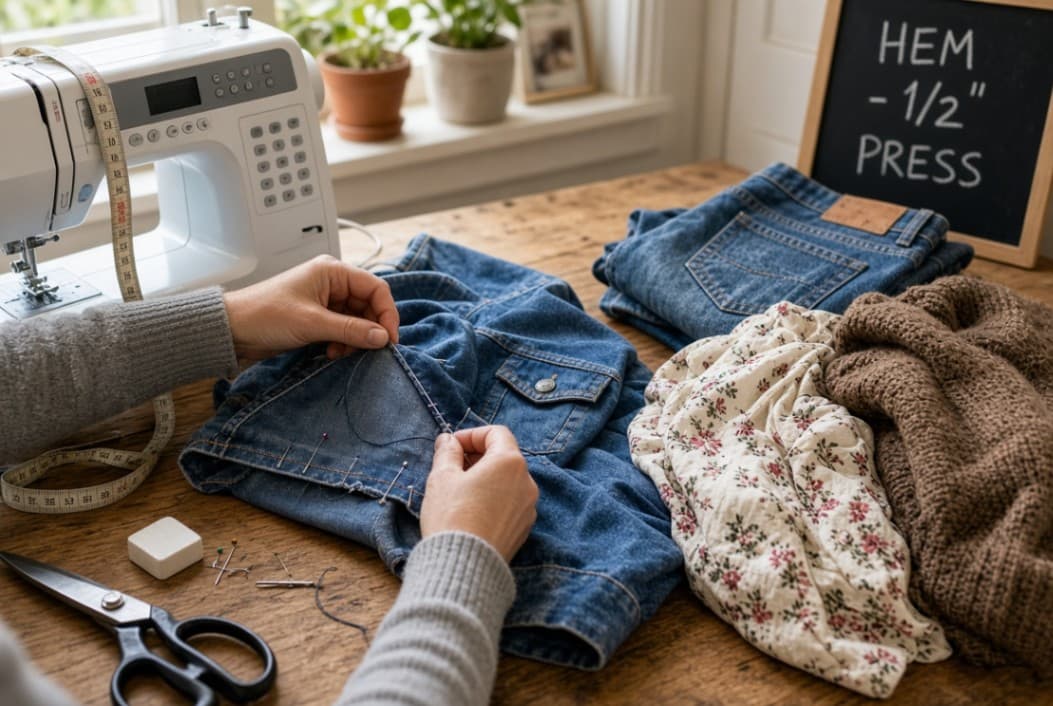
I find it useful to think of thrift as one part of a larger style cycle: buy, wear, repair, restyle, and pass on again. That habit keeps clothes moving and helps reduce the amount of wearable fashion that gets discarded too early.
If you list items online, keep descriptions clear, include real photos, and state condition honestly; that is the same transparency principle used in safe peer-to-peer marketplaces like Threddo’s safety-first approach, with direct buyer-seller contact and no hidden payment layer.
If you are searching for “thrift market Ibadan,” Bodija, Gate, and Dugbe each offer a different shopping experience, but the same thrift rules apply: inspect carefully, compare prices, keep safety in view, and buy only what fits your wardrobe and budget. A good thrift run is less about luck and more about process, especially in busy markets where stock changes quickly and quality varies item by item. This article is for educational purposes only and does not constitute professional advice. Always follow safe trading practices and use your own judgement.