T
Loading…
Loading…
Last Updated: September 2026
Thrift kids clothes in Nigeria can be practical when you know what to check, how to compare quality, and how to avoid costly mistakes. For many families, secondhand children’s wear offers more variety at lower prices while also keeping wearable clothes in circulation instead of adding to textile waste. Nigeria’s consumer protection rules also matter here: the FCCPC says consumers have rights to clear information, inspection, and redress when goods are defective or do not match what was agreed.
Children outgrow clothes fast, so many parents prefer buying secondhand for items that may only be worn for a short time. That is one reason the thrift market remains strong in Nigeria, especially in cities where parents compare prices across markets, Instagram pages, and WhatsApp sellers before buying. Secondhand clothing also fits circular fashion thinking because it extends the life of garments instead of sending them straight to waste, and recent reports highlight the growing attention on textile waste and reuse in Nigeria.
For parents, the value is not only lower cost. You also get access to better fabric quality in some thrift items, especially older cotton pieces, denim, schoolwear, jackets, and occasion outfits that may cost far less than brand-new options. The key is to buy with a checklist, not impulse.
When I inspect thrift kids clothes, I start with the parts that fail fastest: seams, collars, cuffs, waistbands, zips, buttons, and underarm areas. Children move a lot, so a garment that looks fine at a glance can still fall apart quickly if stitching is weak or the fabric is thinned out. Threddo’s safety guide also recommends checking the exact condition, visible defects, and whether the photos show the actual item rather than catalogue images.
Have something to give away or sell?
Post your first listing — it only takes a couple of minutes.
A simple example: a size 5 shirt can still be too small if the shoulders are narrow or the sleeves are short. For thrift kids clothes, measurement matters more than the number on the tag.
Children’s sizing is inconsistent across brands, especially with imported thrift items. A “6–7 years” label may fit differently depending on country of origin, cut, and fabric shrinkage. That is why I prefer chest, waist, length, sleeve, and inseam measurements when shopping for trousers, dresses, uniforms, and jackets.
| Item | What to measure | Why it matters |
|---|---|---|
| T-shirts and shirts | Chest, shoulder width, length | Prevents tight fits and short hems. |
| Trousers and shorts | Waist, hip, inseam | Helps with comfort and school use. |
| Dresses | Chest, waist, length | Important for growth room and movement. |
| Jackets and sweaters | Chest, sleeve length, shoulder width | Useful for layering and cooler weather. |
| School uniforms | Waist, length, seat, sleeve | Needed for neat fit and daily wear. |
For growing children, slightly roomy clothing usually gives better value than tight pieces that become unusable after one wash. If the cloth is for a special event, exact fit matters more than growth room.
In Nigeria’s heat, breathable fabric matters. Cotton, light denim, soft knitwear, and easy-care blends are usually easier to manage than heavy synthetic fabrics that trap heat. For toddlers and younger children, soft seams and non-itchy fabric can matter more than fashion details.
Here is a practical way to think about fabric choices:
If you see a stain that looks permanent, treat the item as lower-value unless the price reflects that condition. Threddo’s buying guide also notes that buyers should ask about defects, size, colour, material, and whether the item is lightly used or heavily worn before agreeing to pay.
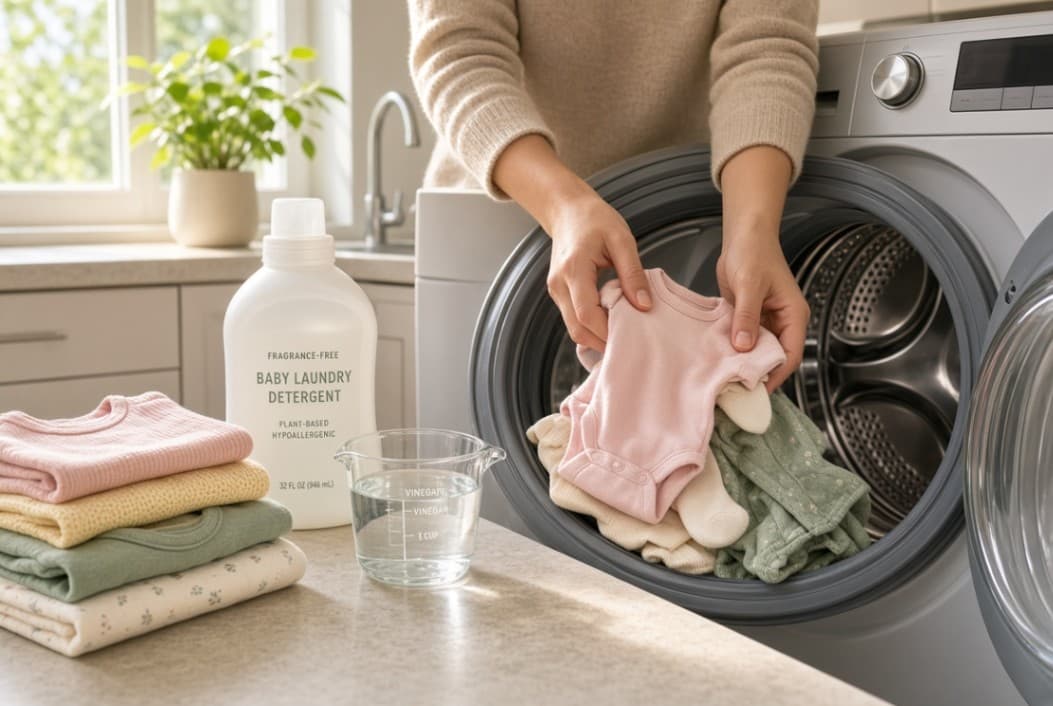
Secondhand kids clothes should be cleaned before use, even if they look fresh. Cleanable items like cotton tops, trousers, and dresses are easier to sanitise and reuse than fabrics that trap odour or body oils. Threddo’s safety guide recommends cleaning and drying washable items before listing, and that same logic helps buyers too because it reduces unpleasant surprises.
For baby items, underwear, and anything used close to the skin, I look more carefully at cleanliness, softness, and previous wear. If an item still carries a strong odour after washing, it may be better treated as unsuitable for daily wear.
Thrift pricing changes by city, market, quality, seller location, and whether you are buying single pieces or bundles. Online listings may look cheaper, but delivery can add to the final amount. In physical markets, you can inspect items directly, which reduces the risk of disappointment, while online listings offer convenience but require more careful questioning.
| Item | Low range (₦) | Mid range (₦) | Higher range (₦) |
|---|---|---|---|
| T-shirts | 1,000 | 2,500 | 5,000 |
| Shorts and trousers | 1,500 | 3,500 | 7,000 |
| Dresses | 1,500 | 4,000 | 8,000 |
| Schoolwear | 2,000 | 5,000 | 10,000 |
| Jackets and sweaters | 2,500 | 6,000 | 12,000 |
| Shoes | 2,000 | 6,000 | 15,000 |
These are practical working ranges, not fixed rates. If a seller is offering branded, near-new, or imported premium pieces, the price can go higher.
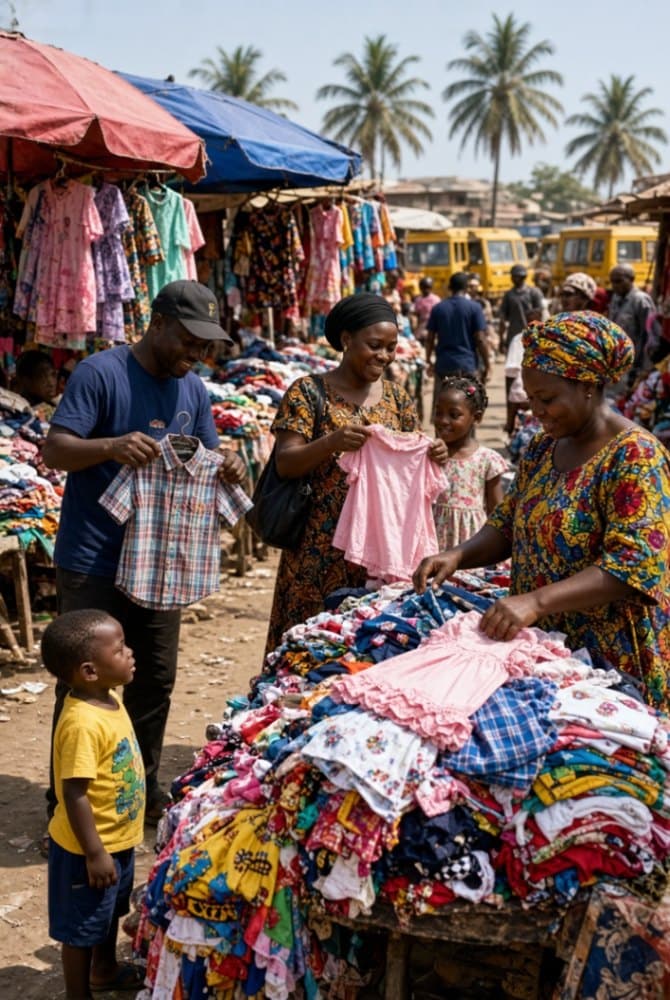
Parents often shop in open markets, roadside thrift stalls, WhatsApp groups, Instagram pages, and peer-to-peer marketplaces. Each channel has different trade-offs: open markets allow touching and trying on items, while online channels may offer more variety and easier browsing. In Nigeria, WhatsApp remains especially common because it feels direct and familiar.
| Channel | Strengths | Watch-outs |
|---|---|---|
| Open markets | You can inspect items, negotiate, and compare bundles. | Crowds, time, and varying hygiene. |
| WhatsApp sellers | Quick chat, easy follow-up, flexible bundles. | Need clear photos and trust checks. |
| Instagram sellers | Good visuals and curated pages. | Some listings hide defects or reuse old images. |
| Marketplace platforms | Better structure and direct contact. | Still require careful verification. |
For children’s clothes, I usually prefer channels where the seller can answer exact questions about measurements, wear condition, and defect history.
Nigerian buyers have practical protections under the FCCPA, including the right to accurate information, the right to inspect goods in some sales settings, and the right to return goods that are defective or do not match what was agreed, within the law’s conditions. The FCCPC also says complaints should first be raised with the seller or provider before escalation, and consumers should keep proof of transaction and supporting documents. That matters in thrift transactions because condition disputes often come down to what was promised in chat versus what was delivered.
If an item arrives looking different from the description, the FCCPC guidance supports raising a complaint with the seller first and keeping records of the transaction. That is especially useful for parents buying schoolwear, shoes, and sets in bulk.
Different clothing types serve different purposes, so I separate purchases by use. School clothes need durability and neatness. Play clothes need comfort and easy washing. Occasion wear needs appearance and a proper fit.
When a child is very active, poor stitching can reduce value quickly. A cheap item that tears after two washes is not a real bargain.
Nigeria’s textile waste problem is large enough to make reuse matter. Recent reporting and research point to growing textile waste pressures and a stronger interest in circular fashion solutions, including reuse, resale, repair, and upcycling. At the same time, studies on secondhand clothing trade note that imported used clothing can support access and affordability while also creating environmental and industrial tensions across African markets.
For parents, thrift shopping is not only about saving money. It also keeps clothing in use longer, which reduces immediate waste and supports a reuse culture. That said, the best environmental outcome still depends on choosing wearable, durable items rather than buying clothes that will quickly become trash.
A practical thrift routine saves time and reduces mistakes. I use the same order when shopping online or in a market.
This process works especially well when buying bundles, because you can separate the useful pieces from the filler pieces before paying.
Threddo.com.ng is built for direct secondhand trading in Nigeria, so it can be useful for parents who want to browse listings, compare conditions, and contact sellers directly without platform fees. If you are posting or buying kids’ clothes there, the same basics still apply: clear photos, exact measurements, honest condition notes, and safe meetups.
Kids’ thrift shopping in Nigeria works best when you focus on fit, fabric, cleanliness, and clear communication before payment. The most reliable purchases are the ones where the seller gives exact measurements, honest condition details, and a straightforward pickup or delivery plan, which aligns with FCCPC consumer protection principles and platform safety practices.
This article is for educational purposes only and does not constitute professional advice. Always follow safe trading practices and use your own judgement.