T
Loading…
Loading…
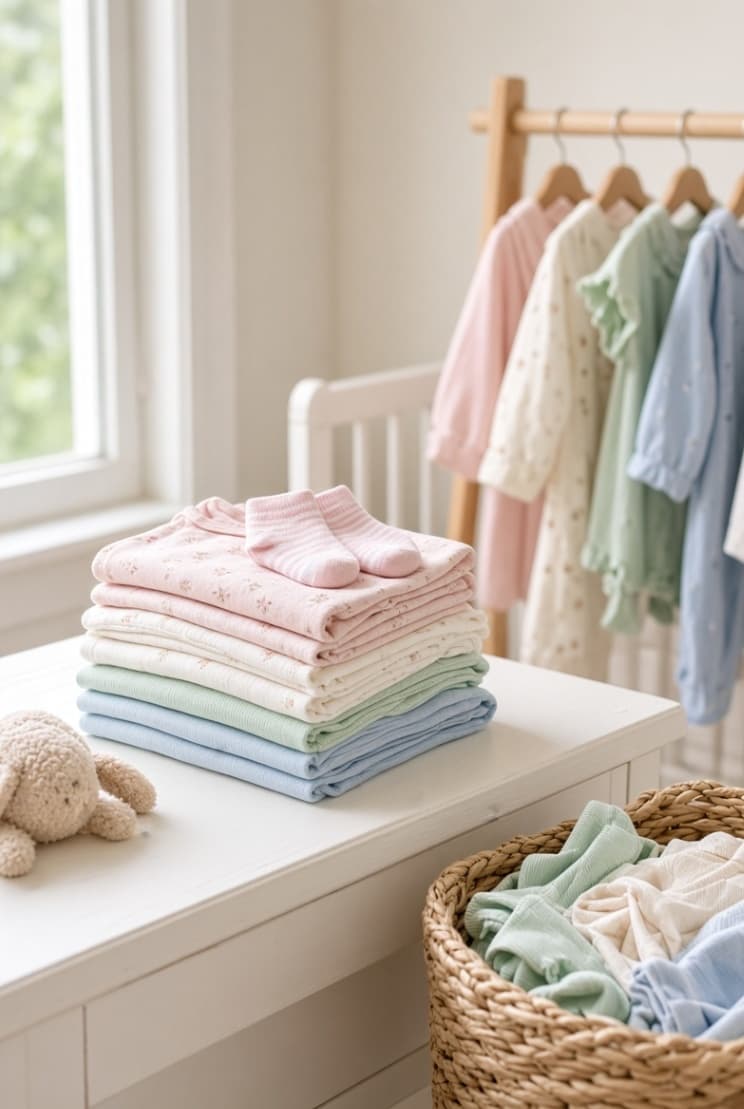
If you're wondering whether secondhand baby clothes are safe, the short answer is yes—when you know what to look for and how to clean them properly. For many Nigerian families, buying preloved infant wear is a practical way to stretch the budget while reducing waste, especially since babies outgrow sizes in weeks.
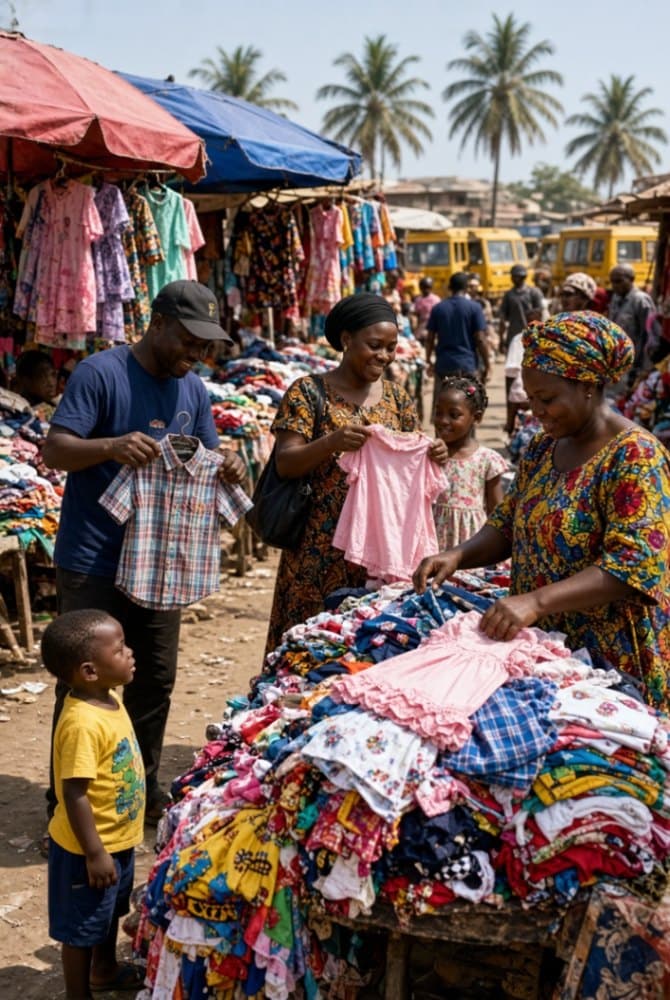
Rising costs of new baby items have made thrifting a go-to option for parents across Lagos, Ibadan, Abuja, and beyond. A 2025 Pulse report noted that local thrift markets are driving affordable fashion trends as new apparel prices climb, with many shoppers finding quality pieces at a fraction of retail cost. For infants who may wear a onesie only 10–15 times before outgrowing it, secondhand options make economic and environmental sense.
Beyond savings, secondhand baby clothes often come from gentle-use homes where items were washed carefully and stored well. Many Nigerian mums pass down gently used outfits to friends or sell them via WhatsApp groups and community marketplaces, creating a trusted peer-to-peer cycle.
When it comes to babies, safety comes first. Common worries include:
These concerns are valid, but manageable with the right inspection and cleaning routine.
Use this quick checklist when evaluating preloved infant wear:
Have something to give away or sell?
Post your first listing — it only takes a couple of minutes.
Prices vary by condition, brand, and location. Here's a realistic snapshot based on current thrift market trends:
| Item Type | Condition | Typical Price Range (₦) |
|---|---|---|
| Onesies / Bodysuits (pack of 3–5) | Gently used | ₦1,500 – ₦4,000 |
| Baby Gowns / Sleepers | Like new | ₦800 – ₦2,500 each |
| Rompers / Playsuits | Good condition | ₦1,000 – ₦3,000 |
| Baby Shoes (soft sole) | Minimal wear | ₦1,200 – ₦3,500 |
| Hats, Socks, Mittens (bundle) | Mixed condition | ₦500 – ₦1,500 |
| Branded Sets (e.g., Carter's, H&M) | Excellent | ₦2,500 – ₦6,000 |
Note: Prices reflect urban thrift markets and peer-to-peer sales in cities like Lagos and Ibadan as of mid-2026.
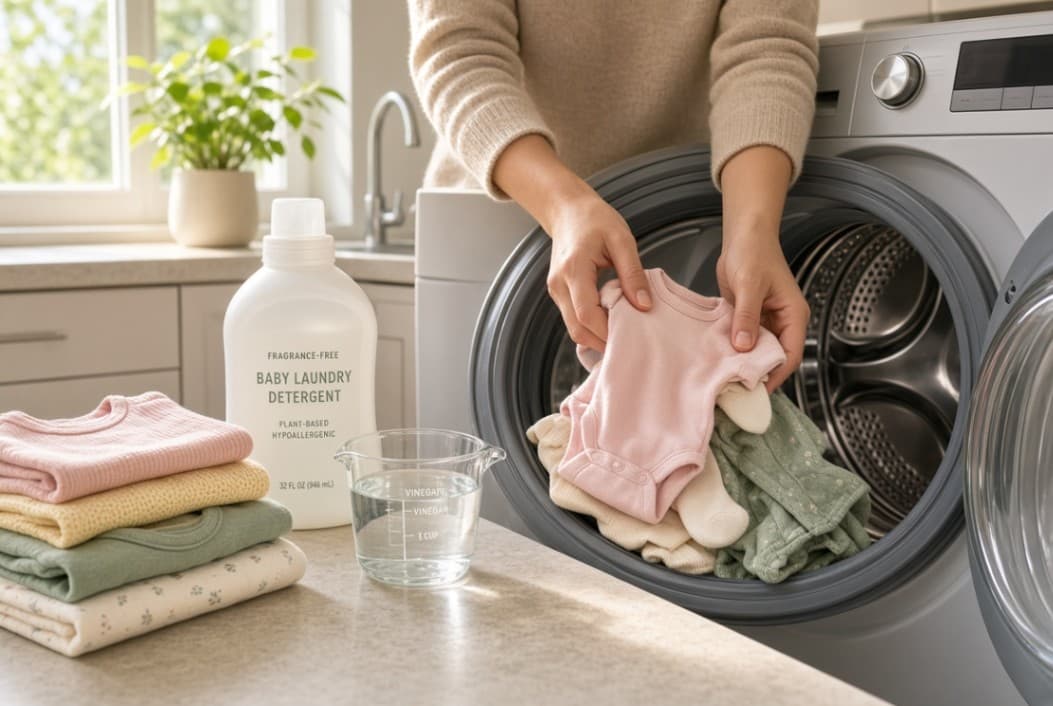
Proper washing eliminates most safety concerns. Follow this routine:
Avoid bleach unless dealing with white cotton—and even then, dilute heavily and rinse thoroughly.
Some items aren't worth the risk, no matter the price:
If something feels off, trust your instinct and skip it.
In many Nigerian households, passing down baby clothes is a long-standing tradition rooted in practicality and community care. It's common for aunties, neighbours, or church members to gift "hand-me-downs" to new parents. This practice not only saves money but also strengthens social bonds.
Today, digital platforms have extended this culture online. WhatsApp groups, Instagram thrift pages, and dedicated marketplaces now connect buyers and sellers directly, making it easier to find quality preloved baby wear without visiting physical markets like Yaba or Balogun.
Choosing preloved baby clothes aligns with global circular economy principles by extending garment life and reducing textile waste. A 2025 study highlighted that purchasing secondhand clothing saves consumers an average of 60% compared to new retail prices while lowering environmental impact. In Nigeria, where imported secondhand clothing flows through hubs like Togo and Ghana, buying locally sourced preloved items supports regional trade and reduces reliance on fast fashion imports.
Every onesie reused means one less item in landfill—and one less new garment needing water, dye, and energy to produce.
When shopping online, especially via WhatsApp or social media:
Platforms like Threddo.com.ng offer safety guidelines for peer-to-peer transactions, including tips on verifying listings and communicating securely with sellers.
Buying secondhand baby clothes is a smart, budget-friendly choice for Nigerian families when done thoughtfully. With proper inspection, thorough cleaning, and attention to fabric quality, preloved infant wear can be just as safe and comfortable as new—often at 50–70% lower cost.
This article is for educational purposes only and does not constitute professional advice. Always follow safe trading practices and use your own judgement.
Last Updated: September 2026