T
Loading…
Loading…
Last Updated: September 2026
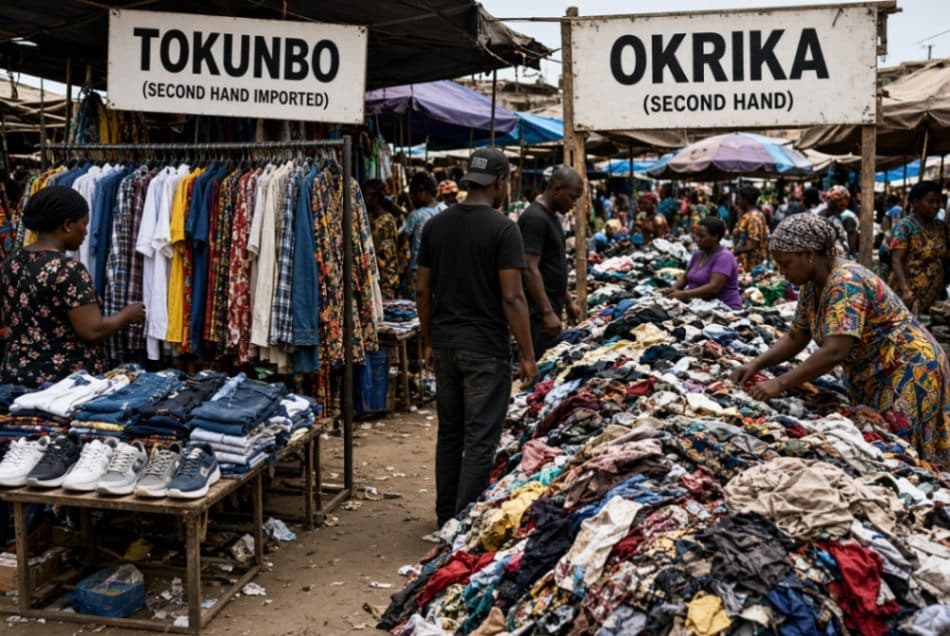
When people in Nigeria say tokunbo clothes or okrika, they are usually talking about secondhand fashion, but the words do not mean exactly the same thing in everyday use. In practice, “okrika” is more commonly used for secondhand clothing, while “tokunbo” is a broader Nigerian slang for fairly used items that came from abroad, and can cover clothes, shoes, bags, and other goods.
“Tokunbo” is a Nigerian term for fairly used items, especially goods that came from overseas, and it is used across categories such as clothes, cars, and electronics. “Okrika” is the more popular market word for secondhand clothing and fashion items such as shirts, jeans, shoes, bags, and accessories.
The important point is that both words point to the secondhand economy, but the setting changes how people use them. In a fashion market, people may say “okrika” by default, while “tokunbo clothes” often sounds more formal or broader, especially when the seller wants to stress that the item is imported and fairly used.
The difference is mostly about language use, market habit, and item category, not a strict legal distinction. In many Nigerian markets, “okrika” is the everyday clothing label, while “tokunbo” works as a wider umbrella term for imported secondhand goods.
Here is a simple way to think about it:
| Term | Common use in Nigeria | Typical items | Market feel |
|---|---|---|---|
| Tokunbo | Fairly used imported goods | Clothes, shoes, bags, cars, electronics | Broader and more general |
| Okrika | Secondhand clothing and fashion items | Clothes, shoes, bags, jewellery | More fashion-market specific |
In everyday conversation, people may even use the words loosely or interchangeably, especially when they are simply talking about thrift shopping. That overlap is normal in Nigerian markets, but sellers and buyers still tend to use “okrika” more often when the item is clothing.
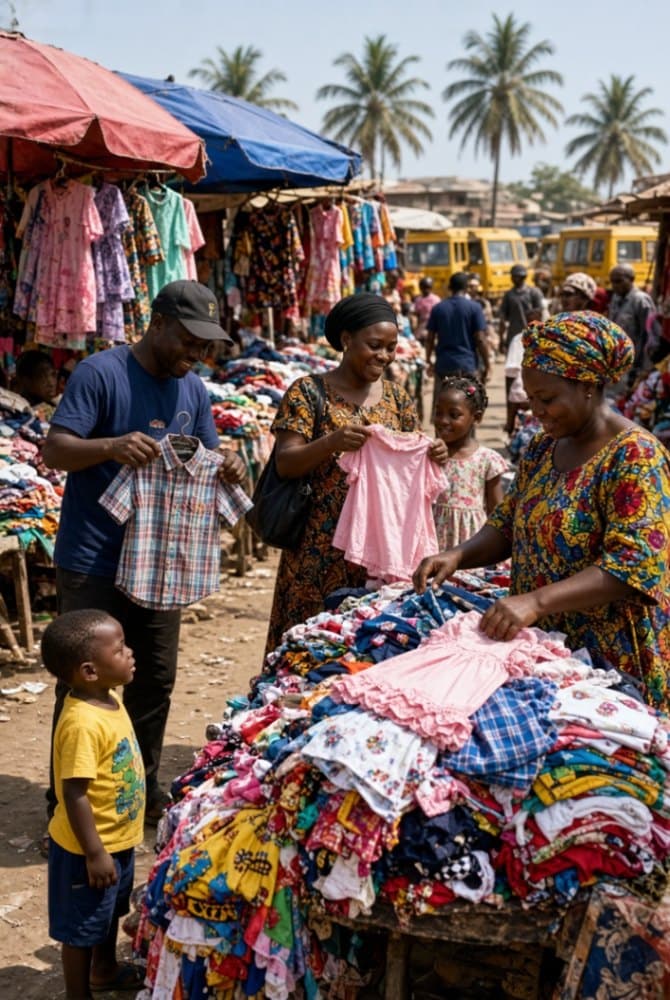
Secondhand fashion remains popular in Nigeria because it gives buyers access to affordable style, variety, and familiar brands at lower price points than many new retail items. It also fits the wider circular-fashion conversation, where reuse and resale help extend the life of garments and reduce waste.
Have something to give away or sell?
Post your first listing — it only takes a couple of minutes.
Research and policy discussions around Nigeria’s circular fashion sector show that imported secondhand clothing can create both opportunity and waste: some items are reused well, while poor-quality imports can end up in landfills, open dumps, waterways, or drainage channels. That is one reason the secondhand market matters not only for style and affordability, but also for environmental management and responsible consumption.
Nigeria’s consumer-protection framework gives buyers important rights that are relevant when shopping for secondhand goods. The FCCPC states that businesses must give information in plain language, disclose prices clearly, and conspicuously identify used or secondhand goods. The same guidance also notes that consumers can choose or examine goods, ask for sales records where practicable, and expect goods to be reasonably suitable for their intended purpose.
For thrift shopping, that means you can use a simple check before paying:
These checks align with the FCCPC’s disclosure and fair-trading principles for used goods.
Prices vary by city, condition, brand, and seller, so the numbers below are practical guide ranges rather than fixed rates. In Nigerian thrift markets, a plain t-shirt may cost far less than a branded designer shirt, and shoes or bags can move sharply in price depending on condition and authenticity. Market slang like tokunbo and okrika usually says more about the item’s origin and category than about a guaranteed price level.
| Item type | Lower-range thrift price | Mid-range thrift price | Higher thrift price |
|---|---|---|---|
| T-shirts | ₦1,500–₦3,500 | ₦4,000–₦7,000 | ₦8,000+ |
| Trousers/jeans | ₦2,500–₦5,000 | ₦6,000–₦12,000 | ₦15,000+ |
| Dresses | ₦3,000–₦7,000 | ₦8,000–₦15,000 | ₦20,000+ |
| Shoes | ₦4,000–₦10,000 | ₦12,000–₦25,000 | ₦30,000+ |
| Bags | ₦5,000–₦12,000 | ₦15,000–₦35,000 | ₦40,000+ |
These ranges reflect common thrift-shopping patterns rather than official pricing, so the final number depends on the market, condition, and seller. For safer buying, the exact state of the item matters more than the label used to describe it.
Neither word automatically means “bad quality.” A tokunbo item can be in excellent condition if it was well selected, while an okrika item can be worn out if it passed through too many hands before reaching the market. The practical difference is that quality depends on sorting, care, and condition, not the slang term itself.
A useful rule is to judge by wear level, fabric strength, and how much repair the item needs. If a garment has strong stitching, clean finishing, and minimal fading, it can still serve well even if it is secondhand. If it has weak seams, persistent stains, or damaged fabric, the low price may not translate into value.
Secondhand trading works better when both sides are clear and honest. The FCCPC’s consumer-rights guidance says used or secondhand goods should be disclosed clearly, and marketing information should not mislead buyers. That makes transparent listing practices important whether the seller is in a physical market or online.
Use this checklist before paying:
This approach reduces disputes and makes the transaction easier to trace if there is a problem.
The words “tokunbo” and “okrika” carry Nigerian market culture, not just product descriptions. They show how local traders and buyers built a shared language around imported secondhand goods, affordability, and reuse. Over time, these terms became part of everyday fashion talk in cities and markets across the country.
In conversation, you may also hear people use “fairly used,” “preloved,” or “thrift.” Those words point in the same broad direction, but “okrika” and “tokunbo clothes” remain especially strong in Nigerian buying culture because they are short, familiar, and tied to real market practice.
If you are listing thrift items online, a clear description, honest photos, and visible condition notes make the process smoother for both buyers and sellers. Threddo’s WhatsApp-first format is built for that kind of direct, simple secondhand trading, especially for clothing, shoes, bags, jewellery, hair, and accessories.
Tokunbo clothes and okrika are closely related, but they are not identical in everyday Nigerian usage: tokunbo is the broader label for fairly used imported goods, while okrika is more commonly used for secondhand clothing and fashion items. The most useful way to shop is to focus on condition, disclosure, and fair pricing rather than the slang alone, especially since Nigerian consumer rules require clear information about secondhand goods.
This article is for educational purposes only and does not constitute professional advice. Always follow safe trading practices and use your own judgement.