T
Loading…
Loading…
Last Updated: September 2026
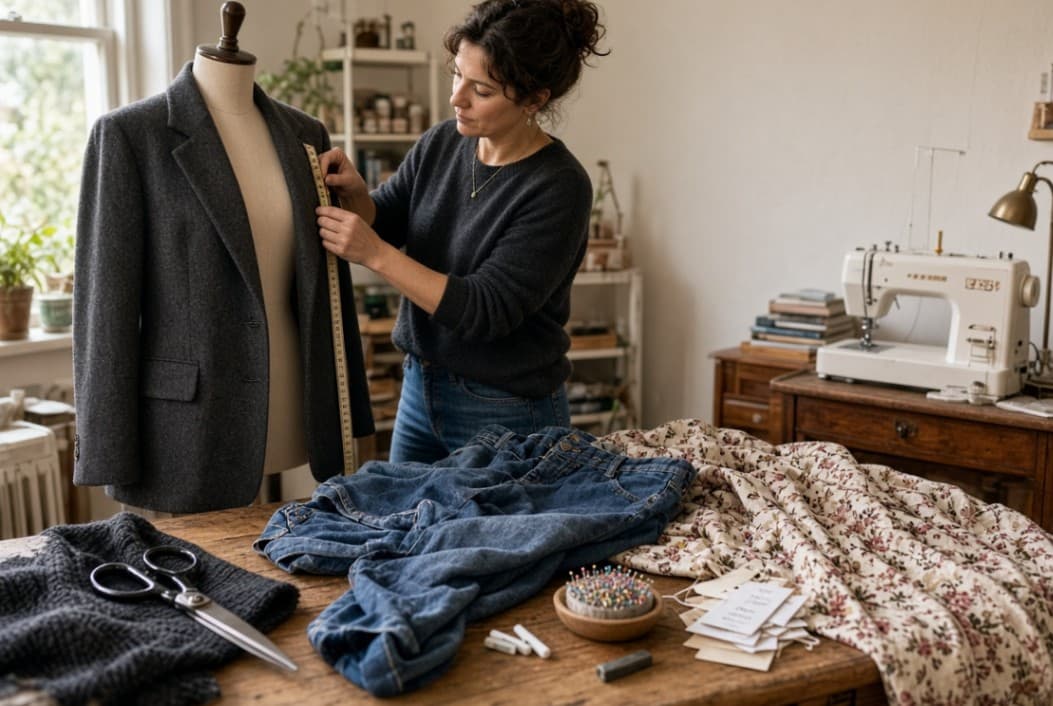
Thrift clothes can look expensive after a good fit adjustment, and that is often the difference between “nice” and “made for you.” I treat alteration as part of the thrifting process: you find the piece, check the fabric and seams, then reshape it so it works for your body and your daily life.
In Nigeria, this matters even more because many secondhand items come in mixed sizing, foreign cuts, or inconsistent labels. The Federal Competition and Consumer Protection Commission says consumers are entitled to clear information, accurate descriptions, and disclosure when goods are second-hand, while Threddo’s own safety guidance also emphasizes exact condition descriptions, measurements, and honest defect disclosure.
A thrift item that is slightly loose, too long, or a bit boxy can often become wearable with simple tailoring. Alterations also help you make better use of pieces you already own, which reduces waste and supports circular fashion by extending the life of garments.
Fit adjustments are especially useful for:
When a garment is structurally sound, a few small changes can improve how it sits on your body without changing the whole item. That approach is more practical than chasing perfect hanger-size labels, which often do not match real body measurements in thrift shopping.
Before you take any thrift item to a tailor, examine the garment closely so you know whether it can be adjusted cleanly. The key is to look at the seams, fabric strength, and where the extra room or tightness actually exists.
Have something to give away or sell?
Post your first listing — it only takes a couple of minutes.
If the shoulder line is wrong, the item may still be fixable, but the job becomes more technical. Hems, sleeves, waistbands, and loose side seams are usually easier and more economical to adjust than shoulders or complex dart work.
Some alterations are simple and common in everyday tailoring shops across Lagos and other Nigerian cities. Others need more skill, especially when the fabric is delicate, patterned, lined, or structured.
| Alteration type | What it changes | Typical tailoring range in ₦ |
|---|---|---|
| Hemming trousers or skirts | Shortens length | 1,000–3,500 |
| Taking in waist | Makes waist smaller | 1,500–5,000 |
| Shortening sleeves | Fixes sleeve length | 1,500–4,500 |
| Taking in side seams | Improves overall shape | 2,000–6,000 |
| Zip replacement | Restores function | 2,000–6,500 |
| Button and hook repair | Fixes closure issues | 500–2,000 |
| Adding darts | Improves bust or waist fit | 2,000–5,000 |
These ranges vary by city, fabric, lining, urgency, and tailor skill, so they work best as planning figures rather than fixed prices. For a more precise estimate, the strongest practice is to take the actual item, wear the inner layer you plan to use with it, and ask for a fitting assessment before any stitching begins.
The easiest way to alter thrift clothes is to think in layers: length, width, and shape. Length changes are usually the least risky. Width changes can improve comfort, but if they are too aggressive, they can distort the garment’s original design.
If a skirt, trouser, or sleeve is only too long, a clean hem usually creates the biggest visual improvement. This works especially well for denim, cotton, uniform-style garments, and straight-cut pieces.
If the waist, bust, or hip is too roomy, side seams or waist darts can bring the garment closer to the body. This is common for dresses, shirts, trousers, and jackets that already fit well at the shoulders.
For structured pieces like blazers, coats, and lined dresses, I avoid changes that remove too much of the original construction. A tailor can sometimes reshape these items, but the more layers and lining involved, the more careful the work needs to be.
Not every thrift fabric reacts the same way to tailoring. Some are forgiving, while others can warp, fray, or lose shape after stitching.
| Fabric type | Alteration ease | Notes |
|---|---|---|
| Cotton | Easy | Holds stitching well and is simple to hem. |
| Denim | Easy to medium | Thick seams may need stronger needles and careful pressing. |
| Polyester | Medium | Can shift while sewing if handled badly. |
| Linen | Medium | Breathes well but wrinkles and can fray at edges. |
| Wool blend | Medium | Good for structured pieces, but needs neat finishing. |
| Silk/satin | Hard | Slippery fabric can pucker and show stitch marks. |
| Stretch fabric | Hard | Fit changes can affect how the garment drapes and moves. |
If you are new to alterations, cotton, denim, and simple poly-cotton items are usually easier to start with. Delicate fabrics are better handled by a tailor who already works with special garments.
A clear fitting conversation saves money and avoids disappointment. Instead of saying “make it fit,” I describe exactly where the problem is and how I want the garment to sit.
Bring the shoes, innerwear, or accessories you plan to use with the outfit. That matters because the right hem length for sneakers is different from the right hem length for heels or slippers.
A thrift alteration can go wrong when the garment is changed without respecting the original design. Small misjudgments often become visible after the first wash or first wear.
I also avoid over-altering a low-cost garment if the labor cost is higher than the item’s value. In practical terms, a simple thrift top may only need a small adjustment, while a major restructuring may make more sense for a higher-quality piece.
Alteration only works well when you budget for it at the buying stage. In many Nigerian markets and resale circles, low item price can hide a larger tailoring cost if the fit is far off.
This is why measurements matter before payment. The FCCPC’s consumer-rights guidance covers accurate product information and disclosure for second-hand goods, and Threddo’s safety guidance also stresses exact item details, real photos, and visible condition notes.
Some items are strong candidates for tailoring, and some are not. I usually assess the fabric, structure, and how much work the fit needs.
| Item type | Alteration value | Why |
|---|---|---|
| Jeans | High | Hems, waist, and leg tapering are common and effective. |
| Shirts | High | Side seams, sleeves, and darts can improve fit. |
| Gowns | High | Waist and length adjustments often transform the look. |
| Blazers | Medium | Good results are possible, but tailoring is more technical. |
| Skirts | High | Waist and hem changes are usually straightforward. |
| Heavy coats | Medium | Adjustments are possible, but labor is higher. |
| Stretch tops | Lower | Over-altering can distort the fabric’s shape. |
A useful rule is to consider whether the item already fits at the hardest-to-fix points. If the shoulders and chest are close, the rest is often manageable. If the frame of the garment is wrong, the result may never sit cleanly.
Secondhand clothing should be cleaned before any alteration work starts. This is both practical and hygienic, especially for items with odor, dust, or long storage periods Taking precautions with second-hand clothes.
A simple prep routine looks like this:
Clean fabric is easier to measure accurately, and pressing helps the tailor see the real silhouette. For used items, Threddo also recommends clear condition disclosure, including cleaning status and repairs, so the buyer or seller knows exactly what is being handed over.
Imagine you buy a thrift midi dress that fits well at the bust but hangs too loosely at the waist and falls below your preferred length. A tailor can often take in the side seams, add or deepen darts, and shorten the hem to create a more balanced shape.
That single garment may move from looking oversized to looking deliberate and polished. The difference is not the label; it is the proportion. In a thrift wardrobe, proportion often does more work than price.
If you are listing a thrift piece on Threddo, clear measurements, honest condition notes, and a visible mention of any alteration history make the item easier for another buyer to judge fairly. That kind of transparency also matches Nigerian consumer-rights principles around accurate information and second-hand disclosure.
Altering thrift clothes is a practical way to get better fit, better value, and longer use from secondhand fashion. The strongest results come from checking the garment carefully, choosing simple changes first, and working with measurements instead of guessing from the label. This article is for educational purposes only and does not constitute professional advice. Always follow safe trading practices and use your own judgement.