T
Loading…
Loading…
Last Updated: September 2026
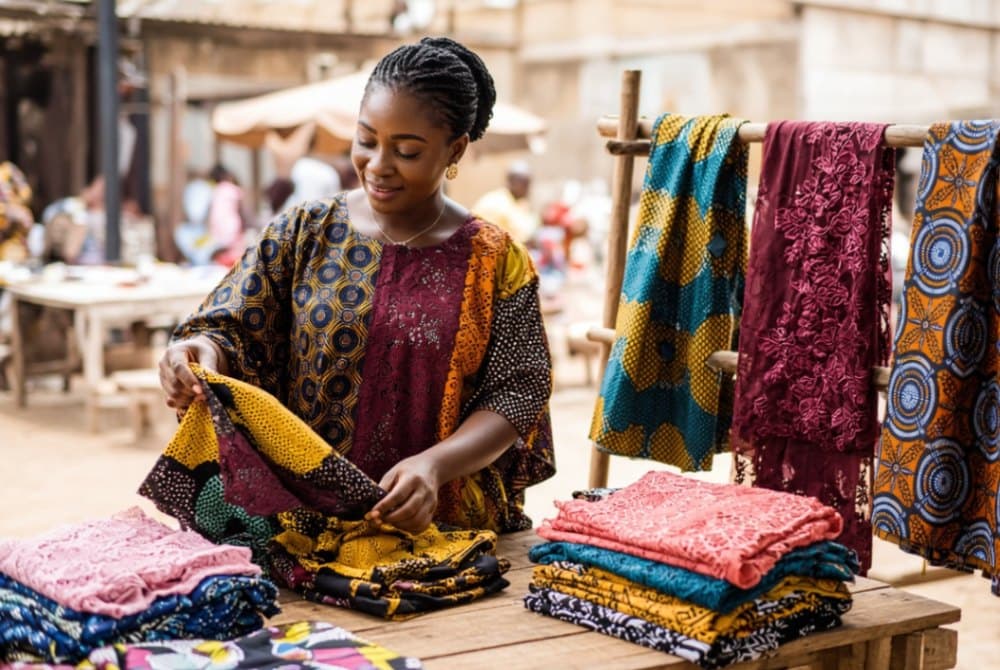
Aso-ebi does not have to sit in a wardrobe after the celebration ends. In Nigeria, many people resell, restyle, donate, or repurpose wedding outfits so the fabric keeps moving instead of turning into waste. That fits the wider secondhand and circular-fashion economy, where clothing stays in use longer and avoids early disposal.
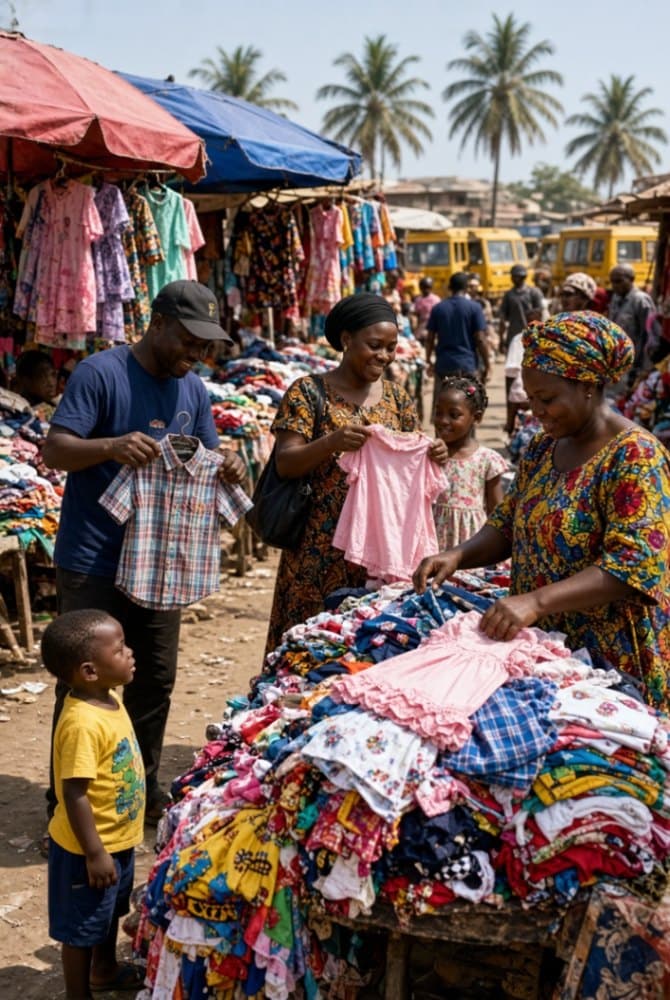
Aso-ebi often still has resale value because it is usually worn once or only a few times, especially when the fabric is still clean, well-finished, and tied to a recent event. In secondhand fashion markets, demand for low-cost, good-condition clothing remains strong across Africa, with Nigeria among the major import and resale hubs in the region. That matters because buyers often look for event wear, lace, damask, sequins, chiffon, and matching sets they can reuse for owambe, church, naming ceremonies, and parties.
If I look at aso-ebi as an item instead of a memory, I can compare three things: condition, style, and timing. A fresh-looking set with minimal alteration usually has more use options than an over-tailored one. A piece that is easy to restyle also attracts more interest than a design that is tied too closely to one specific wedding look.
The simplest way to decide what to do is to sort the outfit into one of these paths:
| Option | What it fits | What to do with it | Typical use case |
|---|---|---|---|
| Resell | Outfit still looks new or lightly used | Clean, photograph, list, and price clearly | Party wear, lace, matching sets |
| Restyle | Fabric is good but the cut feels too formal | Tailor into a blouse, skirt, wrapper, or two-piece | Ankara, lace, adire, silk |
| Donate | You want the item reused quickly | Wash, press, and give to a trusted person or charity | Usable but not ideal for resale |
| Keep as keepsake | Outfit has sentimental value | Store properly with acid-free tissue or a clean garment bag | Bridal aso-ebi, special family events |
| Rework for another event | The fabric is valuable | Add sleeves, shorten length, change lining, or alter trim |
Have something to give away or sell?
Post your first listing — it only takes a couple of minutes.
| Freshen up for future parties |
Resale and restyling are common because they keep fabric in circulation and reduce waste, which aligns with circular fashion practices discussed in sustainability reporting on African clothing systems. Donation also works well when the item is still presentable but not worth the effort of pricing and negotiation.
Selling aso-ebi works best when the item is treated like a proper listing and not just a random wardrobe clear-out. The item needs to look neat, be described clearly, and be priced in a way that matches condition and demand in the local market. Nigerian secondhand buyers respond well to straightforward descriptions, especially where measurements, condition, and what is included are stated plainly.
Wash the outfit according to the fabric type, then air-dry it well so it does not smell damp. Steam or iron it lightly so folds do not make the item look older than it is. If it has embellishments, beads, or lace, handle it gently so the details stay intact.
Small repairs can improve the presentation without changing the item’s character. Loose threads, missing hooks, weak seams, or dangling stones can be fixed before listing. A neat outfit also reduces back-and-forth messages from buyers asking for extra photos or explanations.
Use natural light, a plain background, and multiple angles. Show the front, back, neckline, sleeves, hem, and any special detail like embroidery or beadwork. If the aso-ebi includes accessories, photograph them together so buyers can see the complete set.
A simple photo set often performs better than a heavily edited one because buyers want to see the real condition. For online resale, clarity reduces distrust, and trust matters a lot in peer-to-peer trading. Clear pictures also help when buyers compare similar items across WhatsApp status, Instagram, Facebook groups, and resale marketplaces.
A useful description usually includes:
Example description:
That kind of description builds credibility because it gives the buyer enough facts to decide quickly. Honest disclosure also lowers the chance of disputes after a sale, which is important in direct buyer-seller trading.
Aso-ebi resale prices in Nigeria depend on fabric, tailoring, condition, and whether the item was worn once or several times. These ranges are practical starting points for common post-wedding listing decisions:
| Item type | Condition | Common resale range |
|---|---|---|
| Plain lace set | Very good, worn once | ₦10,000–₦35,000 |
| Embroidered lace or premium fabric | Very good, tailored neatly | ₦20,000–₦60,000 |
| Ankara aso-ebi set | Good condition | ₦5,000–₦20,000 |
| George wrapper set | Good to very good | ₦15,000–₦50,000 |
| Children’s aso-ebi | Good condition | ₦3,000–₦12,000 |
| Accessories bundle | Clean and complete | ₦2,000–₦15,000 |
These are not fixed prices; they simply reflect the way secondhand fashion is commonly priced based on quality and demand. In resale markets, presentation and freshness can matter as much as the original purchase cost.
Aso-ebi can be listed on WhatsApp Status, Instagram, Facebook groups, thrift pages, and local resale communities. WhatsApp works especially well in Nigeria because buyers often want direct contact and quick replies. A good caption, clear photos, and a local pickup option can move an item faster than a long explanation.
For a buyer who wants a one-time event outfit, speed matters. For a seller, responsiveness matters just as much, because many buyers compare several listings before replying. A quick and complete response often helps the sale move forward without confusion.
Not every aso-ebi needs to leave your wardrobe. Some fabrics become more useful when a tailor changes the design into something easier to wear again. That makes sense for expensive lace, high-quality silk, and fabrics with strong colours that still look current.
Restyling often works best when the fabric is strong and the design is too event-specific. It also helps when the item still carries emotional value but no longer fits the kind of event you attend most often. In practice, one good rework can extend the life of the fabric by several more years.
Donation is a practical option when the outfit is still clean and wearable but may not be worth the effort of posting and negotiating. It can go to a younger cousin, a friend preparing for an event, a local charity, a church group, or a community clothing drive. The key is to hand it over in a usable condition, because donation works best when the next person can wear it without extra cost.
Gifting also has a social side in Nigerian fashion culture. Some families pass event outfits along after major celebrations, especially if the fabric still looks elegant and the design is age-friendly. That keeps value within the community while reducing textile waste.
If the outfit is not being sold immediately, storage quality changes its future value. Aso-ebi kept in a humid room can pick up smell, stains, or mildew, especially during rainy seasons. Lagos humidity makes breathable storage especially important.
Use these storage habits:
Well-stored clothing keeps better resale value because it looks newer when the time comes to list it. That matters in secondhand trade, where condition strongly influences interest and price.
When selling directly to another person, basic safety and truthfulness matter more than fancy presentation. In Nigeria, consumer protection guidance generally emphasizes clear information, fair dealing, and avoiding misleading claims. That means the listing should match the real item, and the buyer should be able to ask questions before committing.
Helpful safety habits include:
If the item is described as “new,” “worn once,” or “unworn,” the wording should reflect the truth of the condition. Misrepresentation can create avoidable disputes and damage trust in peer-to-peer trading.
If I am deciding what to do with aso-ebi after the wedding, this checklist helps:
If the answer is yes to resale, list it with good photos and measurements. If the answer is yes to restyling, take it to a tailor and simplify the design. If the outfit is still usable but not worth pricing, donation can be a clean exit route.
A lace aso-ebi worn to one wedding can become a shorter dinner dress after alteration, or it can be sold as a pre-loved event set. A George wrapper can be kept as a future party piece, especially if the fabric is premium and the colour is versatile. A children’s matching set can be sold quickly because kids outgrow occasion wear fast, and parents often look for affordable options for naming ceremonies and weddings.
This is where circular fashion becomes practical, not theoretical. The item stays in use, someone else pays less than new retail, and the original owner gets value from something that would otherwise be stored for years.
If you do decide to list your outfit on a secondhand marketplace, a clear title, honest description, and clean photos make the listing far easier to trust. On Threddo, that same approach fits the platform’s direct-contact, WhatsApp-first model, especially for clothing, accessories, and donation listings. See the platform’s safety guidance and listings page for a simple posting routine: Threddo Safety and Threddo Listings.
Use this structure when posting:
Example:
That format is compact, clear, and easy for buyers to scan on mobile phones. It also reduces unnecessary chat because most of the basics are already visible.
Aso-ebi after the wedding can be sold, restyled, donated, or stored for later, and each option keeps value moving instead of letting fabric sit unused. In Nigeria’s growing resale and circular-fashion space, a clean item, honest description, and safe transaction process can make post-wedding fashion far more useful. This article is for educational purposes only and does not constitute professional advice. Always follow safe trading practices and use your own judgement.