T
Loading…
Loading…
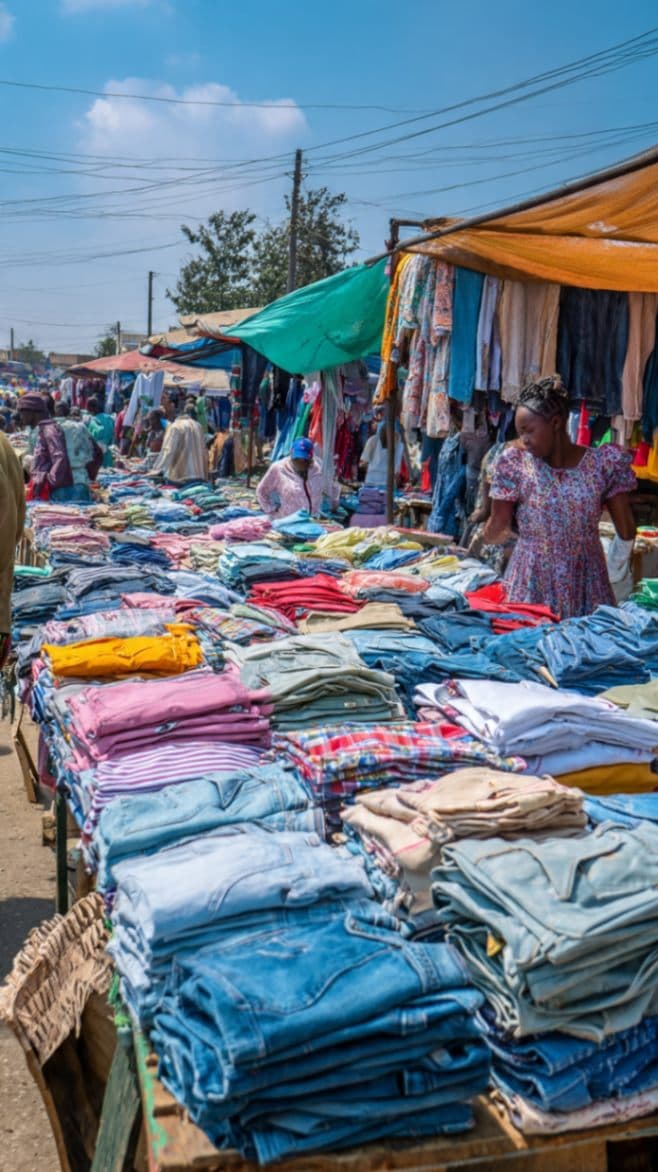
Buying second-hand clothes in Nigeria can save you money and help you build a unique wardrobe, but it also comes with risks like scams, poor quality, and hygiene concerns. This guide shows you how to shop safely—online and offline—using practical checklists, price ranges in ₦, and real consumer rights under Nigerian law.
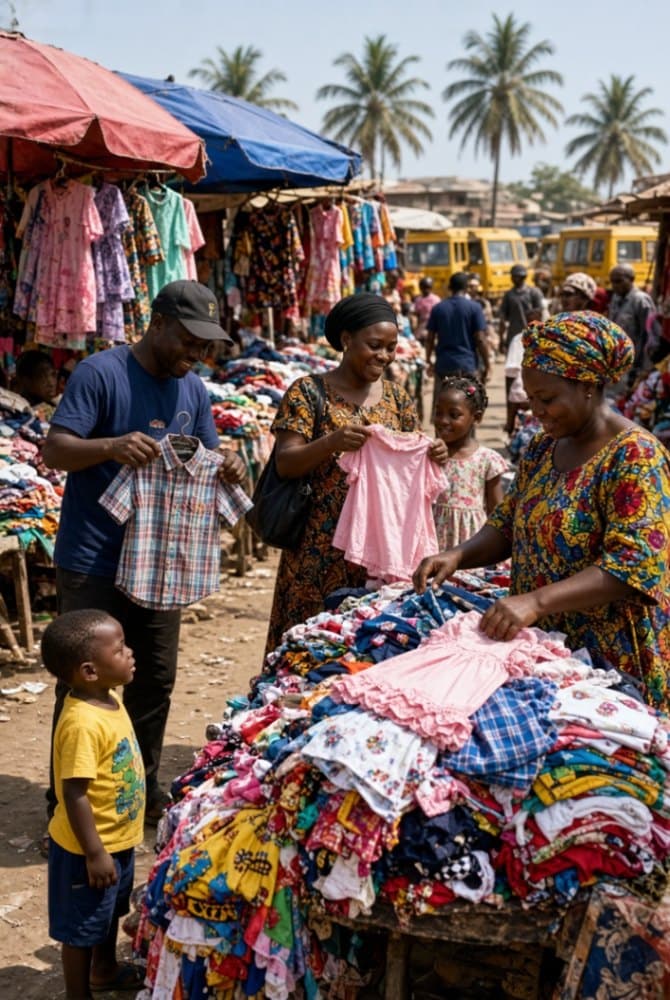
Nigeria’s second-hand fashion market—often called “okrika” or “bend-down-select”—is huge, spanning physical markets like Yaba (Lagos), Wuse (Abuja), and Mile 1 (Port Harcourt), plus Instagram vendors, WhatsApp groups, and dedicated thrift stores. However, the same openness that makes thrifting affordable also attracts bad actors: fake listings, misgraded bales, and sellers who disappear after payment.
Safety isn’t just about avoiding scams. It’s also about hygiene (used clothes can carry bacteria or pests if not properly laundered), accurate sizing, and knowing your rights when something goes wrong. The Federal Competition and Consumer Protection Act (FCCPA) 2018 gives you clear rights as a buyer, including the right to accurate information, the right to examine goods, and the right to return defective items.
Going in without a plan leads to impulse buys and regret. Write down:
This focus helps you ignore distractions and spot real deals faster.
Different channels have different risk profiles:
| Channel | Pros | Cons | Typical Price Range (₦) |
|---|---|---|---|
| Physical markets (Yaba, Mile 1, Wuse) | See/touch items, negotiate, try on | Crowded, time-consuming, hygiene varies | ₦1,500–₦15,000 per piece |
| Instagram/WhatsApp vendors | Convenience, curated picks | Scam risk, no try-on, delivery delays | ₦3,000–₦25,000 per piece |
| Dedicated thrift stores (online/offline) | Quality control, return policies |
Have something to give away or sell?
Post your first listing — it only takes a couple of minutes.
| Higher prices, limited stock |
| ₦5,000–₦40,000 per piece |
| P2P marketplaces (e.g., Threddo) | Direct seller contact, free listings | Varies by seller, no in-app payment | ₦1,000–₦20,000 per piece |
Prices are indicative based on 2024–2026 market observations and may vary by city and condition.
For online sellers:
For physical markets:
Use this before paying, whether online (via photos/video) or offline:
Under the Federal Competition and Consumer Protection Act:
If a seller refuses to honour these, you can report them to the Federal Competition and Consumer Protection Commission (FCCPC) via their website or complaint channels.
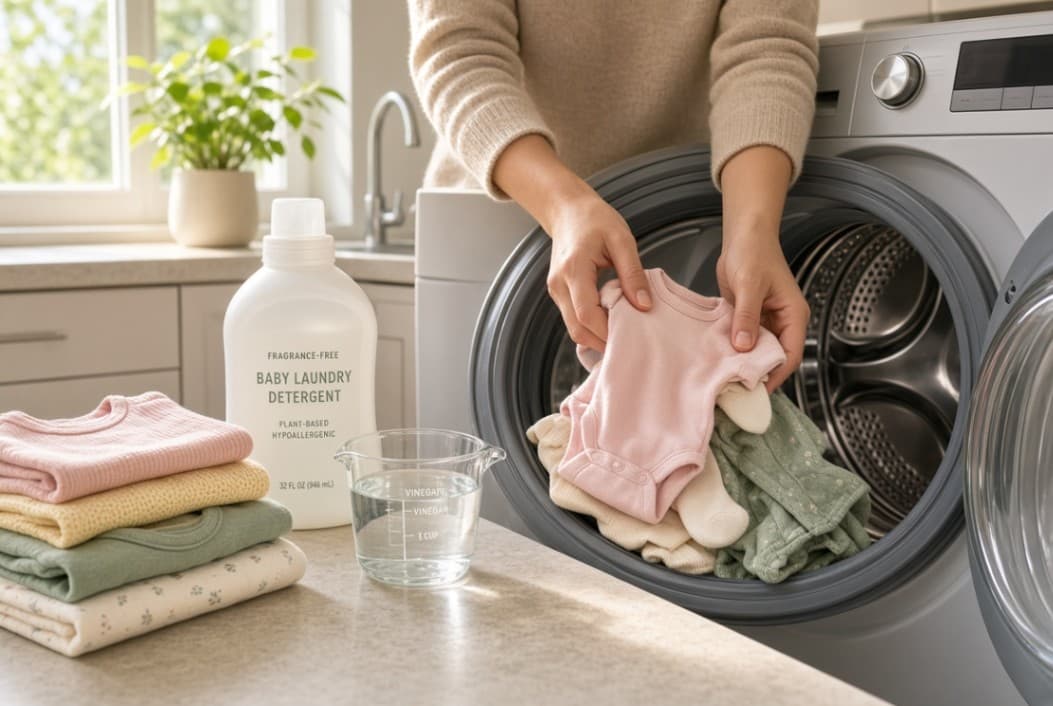
Even if an item looks clean, always sanitise before wearing:
Note: For delicate items (silk, leather), consider professional dry cleaning and tell them it’s second-hand.
Avoid a purchase if you notice:
| Item | Low-End (₦) | Mid-Range (₦) | High-End (₦) | Notes |
|---|---|---|---|---|
| Women’s Tops | 1,500 | 3,500 | 8,000 | Depends on brand/fabric |
| Men’s Jeans | 3,000 | 6,000 | 12,000 | Denim quality varies |
| Dresses (Midi/Maxi) | 4,000 | 8,000 | 18,000 | Embellishments raise price |
| Sneakers (Unisex) | 5,000 | 12,000 | 25,000 | Check sole wear & smell |
| Handbags (Non-Luxury) | 3,000 | 7,000 | 15,000 | Inspect zippers & lining |
| Jackets/Coats | 6,000 | 12,000 | 30,000 | Leather costs more |
For more on safe trading practices, see Threddo’s Safety Guide or browse active Listings in your city.
Last Updated: August 2026
This article is for educational purposes only and does not constitute professional advice. Always follow safe trading practices and use your own judgement.