T
Loading…
Loading…
Last Updated: September 2026
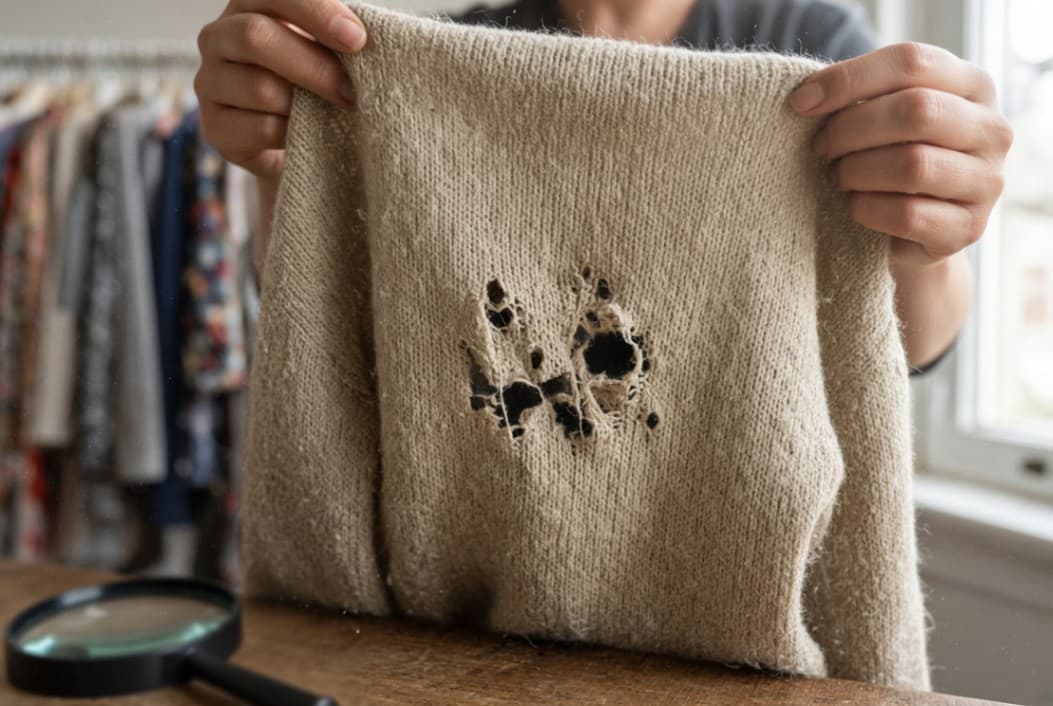
Buying thrift can save money, but a small moth hole can turn a “clean” bargain into a weak garment that tears after one wash. I look at secondhand clothes the same way I would inspect a phone screen: the fast scan comes first, then the hidden details. For animal-fiber fabrics like wool, cashmere, silk, fur, and feather-containing items, moth damage usually shows up in hidden places such as collars, seams, folds, and stored areas where the fabric sat undisturbed.
Moth damage matters because consumer protection in Nigeria expects goods to be described fairly and safely for intended use, and the FCCPC advises buyers to examine products carefully before purchase and report suspected non-compliance through its complaint channels. In thrift shopping, that means your eyes, fingers, and flashlight do a lot of the work before cash changes hands.
Moth holes are often irregular rather than perfectly round, and they can begin as thin patches before turning into visible gaps. On wool or cashmere, you may also see surface grazing, weak spots, tiny tunnels, or fine silk-like webbing on the fabric. Larvae are the real damage-makers; adult moths are often just a sign that the fabric may have been exposed to them.
The fastest way to check thrift clothes is to focus on the places moths hide and feed. Inspection guidance from pest-control and university sources consistently points to collars, seams, folds, inner hems, and storage creases as the highest-risk zones. If you are buying from a market stall or a WhatsApp listing, these same areas are the ones to ask the seller to photograph clearly.
| Fabric or item | Inspection focus | Risk level |
|---|---|---|
| Wool sweaters, blazers, coats | Under collars, cuffs, elbows, side seams | High |
| Silk tops and scarves |
Have something to give away or sell?
Post your first listing — it only takes a couple of minutes.
| Fold lines, hems, shoulder seams |
| Medium to high |
| Dresses and shirts | Under arms, lower hem, inside seams | Medium |
| Denim and polyester blends | Stress points and general wear | Lower for moths, but still check for other damage |
| Blankets and shawls | Folded edges, corners, storage creases | High |
A calm routine beats rushed guessing. I start with the item spread flat in good light, then I turn it inside out and check the hidden areas where moths tend to feed. A phone torch helps, especially in markets, car trunks, and dim WhatsApp pickup points where lighting hides small holes.
Natural fibers are more likely to show moth feeding because clothes moth larvae feed on animal-based materials such as wool, fur, feathers, and hair-containing textiles. That means a wool blazer with tiny holes under the collar deserves more attention than a polyester tee with a loose thread. If a seller says an item is “dry-cleaned” or “stored well,” I still check the seams and folded areas because moth activity can hide there for a long time.
Synthetic fabrics are less attractive to clothes moths, so visible holes in polyester, nylon, or acrylic often come from snags, abrasion, or poor stitching rather than moths. Even so, I still inspect the garment because mixed-fiber items, linings, and decorative trims may contain the weaker natural sections moths target. This matters for thrift shoppers who buy layered outfits, jackets, and occasion wear with multiple fabric types.
Use this quick list before paying for a secondhand item:
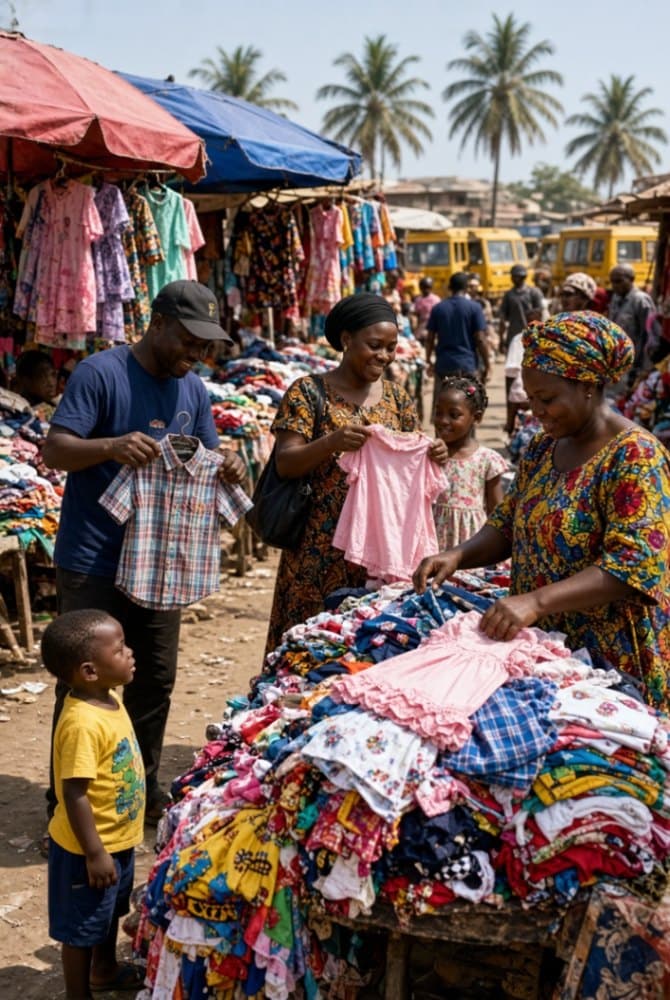
Price and condition should match, especially in Nigeria’s thrift market where buyers often compare value item by item. Market reporting on second-hand fashion shows that everyday thrift prices can range around ₦500–₦2,000, while higher-grade office or event pieces may go from about ₦2,000 to ₦8,000 depending on condition and category. For premium branded pieces, visible damage usually affects the real value more sharply because repairs on fine fabric can be difficult and the damage may spread with wear.
| Example item | Typical thrift range | Condition notes |
|---|---|---|
| Basic daily wear top | ₦500–₦2,000 | Check for snags, fading, and seams |
| Office dress or blazer | ₦2,000–₦8,000 | Inspect lining, collar, and underarms |
| Wool sweater or coat | Varies widely | Moth holes can reduce usable life quickly |
| Branded occasion wear | Higher than basics | Ask for close-up damage photos |
Online thrift buying is normal in Nigeria, especially on WhatsApp and Instagram-style listings, so photos matter a lot. Clear pictures help buyers understand what they are getting, and the Guardian has also highlighted the value of honest disclosure in resale listings rather than hiding wear. If the item is folded, angled, or photographed from far away, I treat that as a reason to ask for closer shots of seams, collars, and the inside of the garment.
A good listing photo set usually includes:
There is no need to overcomplicate the decision. If you see active larvae, fresh webbing, multiple irregular holes, or weak fabric that tears when handled gently, the item may not be a good fit for a repeat-wear wardrobe. The same caution applies if the seller cannot show the full item or avoids close-up photos of the exact area you asked about.
A practical rule is this: one tiny repaired hole on a low-cost piece may be acceptable for some buyers, but repeated holes, hidden webbing, and brittle fabric usually indicate a deeper fabric problem. That is especially true for wool and other natural fibers, which can continue to weaken after purchase if the garment was stored with infestation signs.
Good thrift habits reduce surprises. Keep separate checks for smell, stains, fit, and fabric damage so you do not miss a moth problem while focusing only on style. The FCCPC’s complaint guidance also reinforces a useful consumer habit: keep proof of transaction and relevant messages, because records help if a purchase is misrepresented.
Simple habits that help in practice:
If I am buying a thrift blazer in Ibadan and the price is attractive, I check the collar, lapels, inner seams, and lining first. If the outside looks fine but the undercollar has tiny uneven holes and dusty webbing, I treat that as fabric damage rather than “normal thrift wear”. On the other hand, if the blazer is polyester-blend and the only issue is a loose stitch, that is a different problem from moth damage.
For WhatsApp-first thrift trading, clear condition photos and honest descriptions make listings easier to trust, especially for buyers who cannot inspect in person. A simple safety note and close-up pictures can prevent confusion on platforms like Threddo, where direct buyer-seller contact matters most.
Moth damage is easiest to catch when you inspect hidden fabric areas, compare the fabric type, and read photos carefully before paying. In Nigeria’s secondhand market, that habit protects your money, supports fair trading, and helps you buy clothes that last longer. This article is for educational purposes only and does not constitute professional advice. Always follow safe trading practices and use your own judgement.