T
Loading…
Loading…
Last Updated: September 2026
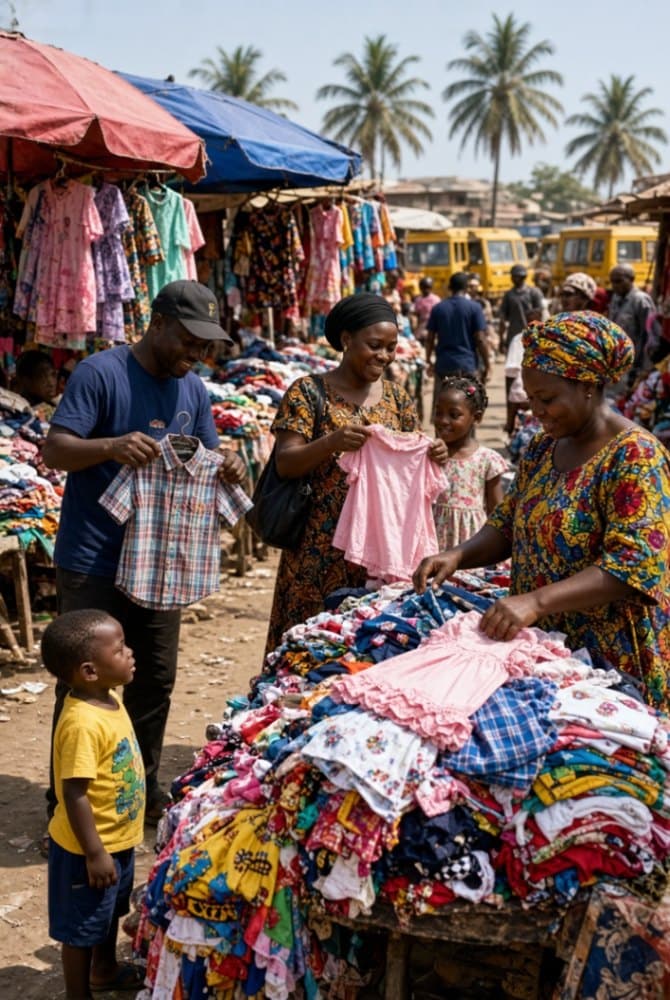
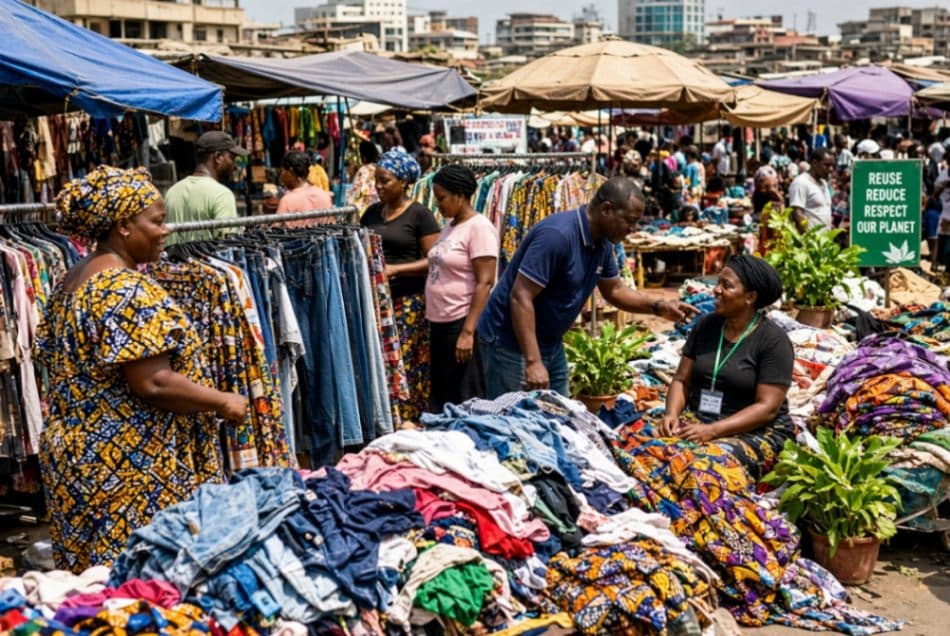
Thrifting can reduce textile waste, extend the life of clothing, and lower demand for new production, which matters in Nigeria where textile waste is already a growing environmental problem. When secondhand clothes, shoes, bags, and accessories are worn again instead of being discarded early, fewer items end up in dumpsites, gutters, or open burning sites that add to pollution.
Nigeria’s waste challenge is not only about food scraps and plastic; textile waste is part of the problem too. Research on textile and clothing waste in Nigeria notes that disposal often happens at dumpsites rather than through proper recycling systems, and available recycling infrastructure remains limited. The FCCPC also states that consumers are entitled to safe, good-quality goods and fair dealings, while the FCCPA requires honest disclosure for reconditioned or second-hand goods.
In practical terms, that means every reused shirt, pair of jeans, or handbag can delay the moment it becomes waste. It also means the thrifting market can support more circular use of clothing already in circulation instead of pushing more fast-fashion turnover. For many Nigerian shoppers, that is both an environmental and affordability win.
Thrifting helps the environment in three main ways: it cuts waste, saves resources, and reduces pollution linked to textile production. The fashion industry is widely described as a major polluter, with global research linking it to large greenhouse gas emissions, wastewater, and microplastic pollution. In Nigeria, where textile waste systems are weak, reuse is one of the most immediate ways to reduce pressure on landfills and drains.
When clothes are reused several times, fewer garments are thrown away early. That matters because textile waste in Nigeria is commonly dumped or burned, and burning synthetic fabrics can release harmful pollutants. Even when a piece is not “new,” it still has useful life left, which is exactly what thrifting captures.
New clothes require fibre production, dyeing, transport, retail packaging, and storage, all of which add environmental cost. The textile industry regulations in Nigeria were designed to prevent and minimise pollution from textile operations, showing that the sector is recognised as environmentally sensitive. Buying secondhand reduces the number of new items that need to be produced and processed.
Have something to give away or sell?
Post your first listing — it only takes a couple of minutes.
A circular economy keeps products in use for longer through repair, reuse, resale, and redistribution. Nigerian research on sustainable textile management points to resale and rental as practical models for better waste management and sustainability. Thrifting fits neatly into that model because it turns one owner’s unused item into another person’s usable item.
| Thrifting action | Environmental benefit | Nigerian example |
|---|---|---|
| Buying a used T-shirt instead of a new one | Less textile waste enters dumpsites | A student in Ibadan buys a clean secondhand polo for school wear |
| Reusing shoes and bags | Slows disposal and burning of materials | A lightly used office bag is worn for another semester |
| Donating wearable clothes | Keeps items in circulation longer | Family members pass clothing to younger relatives or community buyers |
| Sorting and repairing garments | Reduces premature disposal | A tailor replaces zips, hems, or buttons instead of the item being thrown away |
| Selling through peer-to-peer resale | Extends product life | A seller posts clothes directly to another buyer on WhatsApp |
These gains may seem small per item, but they scale when many people participate. Because Nigeria has limited formal textile recycling facilities, reuse becomes a practical bridge between consumption and waste reduction. In dense cities where drainage blockage is already a concern, keeping fabric waste out of gutters also helps reduce flooding risks linked to waste accumulation.
Not every secondhand purchase is automatically sustainable. Thrifting works best environmentally when the item is actually worn again, repaired when needed, and kept in circulation long enough to justify its transport and handling. If clothing is bought and discarded quickly, the environmental benefit drops.
A useful way to think about it is simple: the greener thrift item is the one with the longest useful life left. That usually means:
This is where Nigeria’s tailoring culture helps. A small alteration can make a secondhand item wearable again, which keeps more clothing in use and out of waste streams.
Thrifting is not risk-free for the environment. If very low-quality secondhand imports are dumped unsold, they can become part of the same waste problem they were meant to reduce. Some sources also warn that a portion of imported secondhand clothing arrives close to the end of its useful life, which means it may be resold only briefly before disposal.
There is also the issue of transport and sorting. If goods are moved unnecessarily or handled poorly, the environmental benefit weakens. In addition, synthetic fabrics such as polyester and nylon do not biodegrade easily and can worsen pollution when burned or dumped. So the greener option is not “anything thrifted,” but usable, durable, and reusable thrifted items.
Environmental value and consumer safety go together. Under the FCCPA, consumers have rights to proper labeling and trade description, disclosure of reconditioned or second-hand goods, and the ability to return defective or unsafe goods where applicable. The FCCPC says it protects consumers by promoting safe goods and services and competitive markets.
For secondhand trading, good practice includes:
These habits help buyers make informed decisions and reduce avoidable returns, which is also better for the environment because it cuts wasted trips and unnecessary re-listing.
Price can shape whether people choose reuse over new buying. In Nigerian thrift markets, simple items often stay attractive because they are affordable and practical for daily use. The exact price depends on location, condition, and brand, but the ranges below reflect common peer-to-peer resale logic in urban Nigeria.
| Item type | Typical thrift range | Environmental angle |
|---|---|---|
| Basic T-shirt | ₦1,000–₦4,000 | Encourages repeated wear instead of quick disposal |
| Jeans or trousers | ₦2,500–₦8,000 | Longer use cycle for durable items |
| Sneakers or sandals | ₦3,000–₦15,000 | Extends the life of high-value footwear |
| Handbag | ₦2,000–₦12,000 | Keeps accessory use in circulation |
| Jewellery/accessories | ₦500–₦5,000 | Small items are easy to recirculate and donate |
These are practical market-style ranges, not fixed prices. The environmental logic is that affordable resale makes reuse realistic for more people, which keeps products moving instead of becoming waste.
Use this quick checklist when evaluating any secondhand item:
If most of these boxes are ticked, the item is more likely to support waste reduction rather than add to it. That is the point of environmentally useful thrifting: longer use, less disposal, and better value from what already exists.
Nigeria already has the ingredients for circular fashion: repair culture, resale markets, informal redistribution, and growing awareness of waste problems. What is often missing is better sorting, cleaner channels, and more public education on what reusable clothing actually means. The National Environmental Regulations were created to prevent and minimise pollution, which reinforces the need for responsible handling across the textile chain.
For everyday shoppers, the practical lesson is straightforward. Buying secondhand, repairing what can be saved, and passing items on when finished are all small actions that reduce textile waste. In a country where dumpsites and open burning still dominate waste handling, those small actions matter.
On Threddo, this idea fits naturally because the platform is built for direct peer-to-peer reuse, which can keep clothes, shoes, bags, and accessories circulating longer without extra marketplace fees. The safety and honesty principles in a secondhand listing matter just as much as the environmental benefits, because better listings lead to fewer disputes and less waste.
Thrifting helps the environment in Nigeria by extending product life, lowering textile waste, and reducing pressure on a weak waste-management system. The strongest environmental benefit appears when items are still usable, honestly described, and passed along for real reuse rather than short-term resale. This article is for educational purposes only and does not constitute professional advice. Always follow safe trading practices and use your own judgement.