T
Loading…
Loading…
Last Updated: September 2026
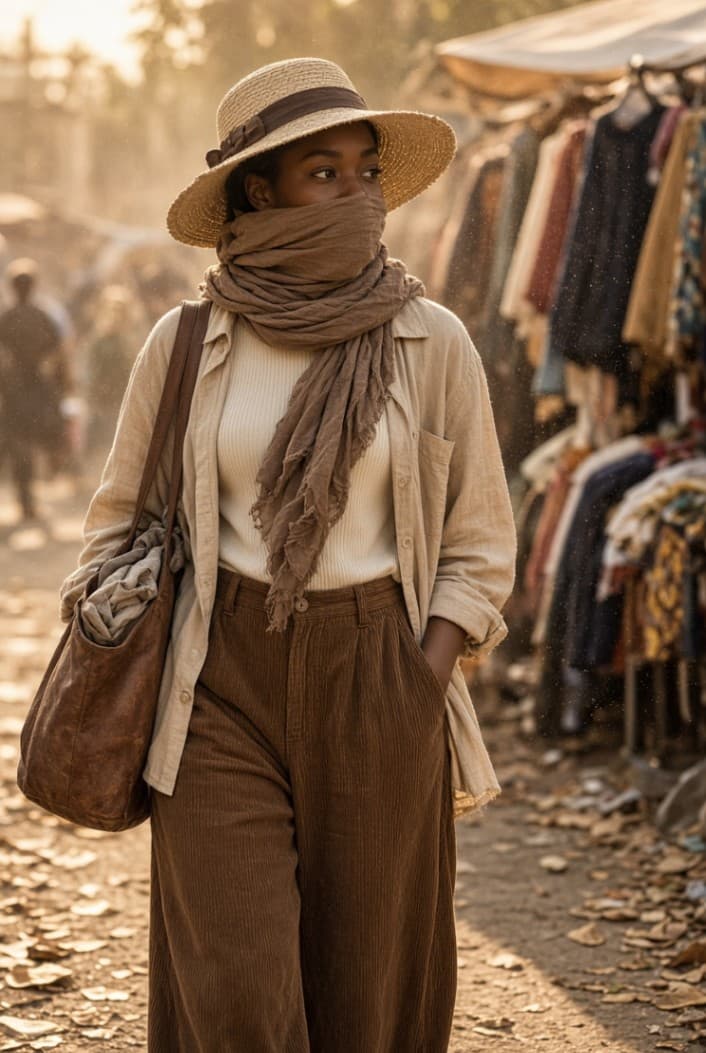
Harmattan dressing in Nigeria is about managing changing temperatures, dusty air, dry weather, and busy daily routines without creating an entirely new wardrobe. A practical secondhand collection can provide warm layers, washable basics, closed shoes, and versatile accessories at different price points.
The easiest approach is to build outfits around removable layers. Early mornings may feel cold, while afternoons can become warm, particularly in northern cities and inland areas. In Ibadan and other parts of southwestern Nigeria, harmattan conditions may vary from one day to another, so clothing that can be added or removed is useful.
Harmattan is associated with dry northeasterly winds and dust carried from the Sahara across parts of West Africa. The season can bring cool mornings, dry afternoons, dusty surfaces, and reduced visibility in some locations. Weather conditions differ by city and year, so local forecasts remain relevant when planning an outfit.
For clothing, this means choosing:
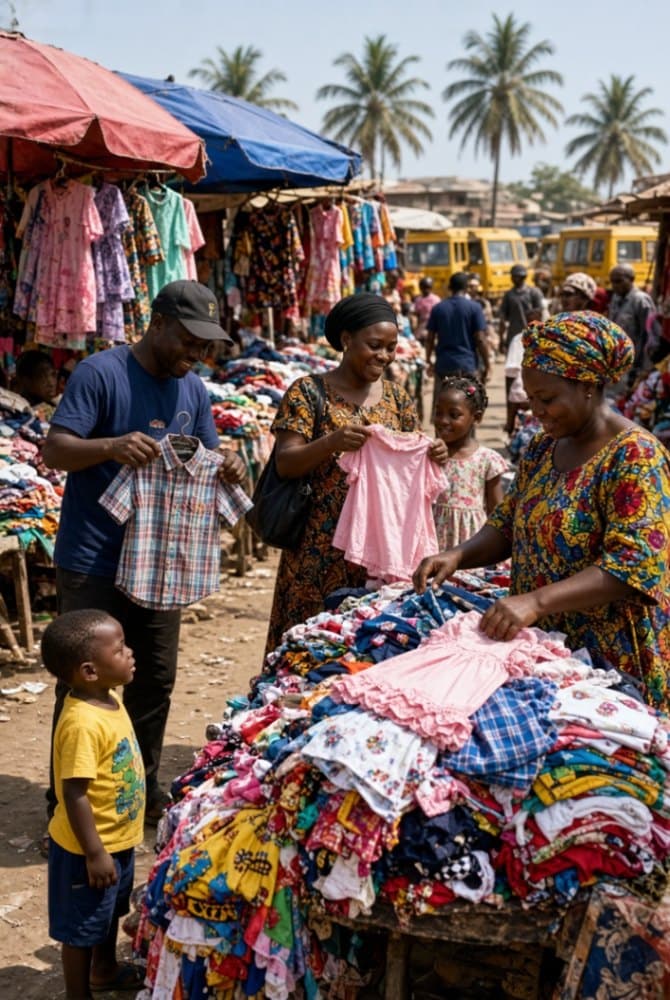
Secondhand clothing fits this approach because one pre-owned shirt, cardigan, jacket, or scarf can work with several outfits. Repairing, reusing, and exchanging garments also keeps wearable textiles in circulation, an important part of circular fashion practice in Nigeria.
A useful harmattan wardrobe does not need dozens of pieces. The focus is on combinations.
Long-sleeved cotton shirts, lightweight blouses, turtlenecks, and knit tops provide coverage in the morning. They can also work underneath a jacket or cardigan.
Look for:
A plain long-sleeved top can pair with jeans for lectures, tailored trousers for work, or a long skirt for a more traditional outfit.
Have something to give away or sell?
Post your first listing — it only takes a couple of minutes.
Cardigans are particularly useful because they can be removed easily when the afternoon becomes warm. A medium-weight sweater can provide more warmth for early commutes, evening events, or poorly ventilated rooms.
Secondhand knitwear requires careful inspection. Check for:
A cardigan in grey, brown, navy, cream, or burgundy can coordinate with several colours while hiding light dust better than very pale shades.
Denim jackets, bomber jackets, utility jackets, blazers, and windbreakers can provide warmth and some protection from dusty air. A lightweight outer layer is easier to carry than a thick coat in Nigeria’s generally moderate climate.
A jacket listing or shop description can include:
Measurements are more reliable than labels because sizing varies across brands and countries.
Trousers and longer skirts offer more coverage than very short garments during dusty commutes. Jeans, chinos, cargo trousers, palazzo trousers, maxi skirts, and lined work trousers can all be used in a harmattan wardrobe.
For secondhand trousers, inspect the:
A pair of trousers that feels comfortable while standing may feel restrictive when sitting, climbing stairs, or riding public transport. Testing movement before purchase can prevent avoidable discomfort.
Scarves can add warmth around the neck and provide a removable layer. Headwraps, turbans, caps, and other coverings may also help keep hair protected from dust during outdoor movement.
Choose accessories that are easy to wash or air out. Avoid storing a dusty scarf immediately in a closed bag, since trapped dust and moisture can create an unpleasant smell.
Sneakers, loafers, canvas shoes, ankle boots, and covered flats can provide more protection than open sandals during dusty conditions. The appropriate choice depends on the activity, distance, surface, and personal comfort.
Before buying secondhand shoes, check:
Clean footwear according to its material. Canvas, leather, suede, and synthetic shoes do not all respond well to the same cleaning method.
Fabric choice affects warmth, comfort, drying time, and ease of care. The table below gives practical starting points rather than fixed rules.
| Fabric or material | Useful harmattan role | Points to check when buying secondhand |
|---|---|---|
| Cotton | Shirts, tops, dresses, and casual layers | Staining, thinning, shrinkage, and collar wear |
| Denim | Jackets, jeans, skirts, and overshirts | Weak seams, faded areas, zip condition |
| Knitwear | Sweaters, cardigans, and pullovers | Pilling, holes, stretched cuffs |
| Polyester blends | Jackets, trousers, and easy-care tops | Trapped odour, lining, static, heat retention |
| Linen blends | Light shirts and relaxed trousers | Wrinkling, thinning, loose seams |
| Wool or wool blends | Warm sweaters and coats | Moths, felting, shrinkage, care requirements |
| Leather or faux leather | Jackets, bags, and shoes | Peeling, cracking, stiffness, odour |
Natural fibres can feel comfortable but may crease or require more drying time. Synthetic blends may dry faster, although some retain odour or feel warm in direct sun. The garment’s condition and care label matter as much as the fibre name.
Try:
This combination allows the cardigan to come off during a warm afternoon and keeps the outfit practical for walking between classes.
Try:
Secondhand blazers can vary considerably in shoulder shape and sleeve length. A quick alteration by a tailor can improve fit without replacing the whole garment.
Try:
Avoid combining too many thick layers if you will spend much of the day outdoors. Removable pieces make the outfit easier to manage.
Try:
Neutral layers can be changed through jewellery, a colourful scarf, or a patterned bag.
Prices vary by city, brand, condition, fabric, seller, and season. The figures below are practical planning ranges, not guaranteed market prices.
| Item | Common secondhand planning range |
|---|---|
| Long-sleeved top | ₦2,000–₦7,000 |
| Cardigan or light sweater | ₦3,000–₦12,000 |
| Denim jacket | ₦5,000–₦18,000 |
| Lightweight blazer | ₦5,000–₦20,000 |
| Jeans or casual trousers | ₦4,000–₦15,000 |
| Scarf or cap | ₦1,000–₦5,000 |
| Sneakers or covered flats | ₦5,000–₦25,000 |
| Tote or crossbody bag | ₦3,000–₦15,000 |
A lower price does not automatically indicate good value. Consider the total cost of cleaning, repairs, transport, and alterations. A garment with a small repair may remain practical, while an item with hidden damage, persistent odour, or deteriorating material may not.
Use this five-minute inspection before completing a purchase.
Look at the front, back, sleeves, collar, hem, pockets, and underarms. Search for fading, stains, holes, loose threads, and uneven colour.
Turn the item inside out where possible. Check seams, lining, labels, elastic, and areas that receive friction.
Open and close zips, buttons, clasps, snaps, and buckles gently. Avoid forcing a damaged fastening.
Measure the chest, waist, hips, length, rise, sleeve, or shoulder depending on the item. Compare the measurements with a garment that already fits you.
Useful questions include:
Clear questions reduce misunderstandings between buyers and sellers.
Secondhand clothing can carry dust, storage odours, or residue from previous handling. Washing or cleaning the item according to its care label before use is a practical hygiene step.
A basic care routine includes:
Do not use bleach, harsh chemicals, or high heat on an unfamiliar fabric without checking its care instructions. For delicate garments, professional cleaning or a tailor’s guidance may be more suitable than experimentation.
Dust can make very bright whites look dirty quickly, especially during daily commuting. Cream, tan, olive, navy, charcoal, brown, rust, burgundy, and denim are easy colours to combine and generally practical for repeated wear.
Examples include:
Colour is still a personal style choice. A bright bag, scarf, shoe, or piece of jewellery can add contrast without requiring an entirely colourful outfit.
Secondhand marketplaces often involve direct communication, inspection, and handover. Basic safety practices can reduce avoidable problems:
Nigeria’s Federal Competition and Consumer Protection framework addresses consumer protection and fair business practices, but a private transaction can still involve practical risks that require careful judgement. The Federal Competition and Consumer Protection Commission provides consumer-protection information through its official channels; rules and remedies can depend on the transaction and circumstances.
A useful listing gives enough information for a buyer to make an informed decision without repeated questions.
Include:
For example:
Brown knit cardigan, labelled medium, fits small to medium. Chest 40 inches, length 25 inches. Clean, no holes, slight pilling on the sleeves. ₦6,500. Pickup around Bodija, Ibadan.
Accurate descriptions help buyers compare items and help sellers avoid disputes.
Threddo can be useful when you want to list pre-owned clothing, shoes, bags, accessories, or donations and speak directly with interested buyers. When creating a listing, clear photos, measurements, condition notes, and the platform’s safety guidance make the exchange easier to understand. See the Threddo listings and safety guide pages for relevant platform information.
A practical harmattan wardrobe in Nigeria can begin with a few secondhand layers: long-sleeved tops, a cardigan or lightweight jacket, durable trousers or skirts, a scarf, and closed shoes. Choosing washable pieces, checking condition carefully, recording measurements, and styling one item in several ways can support comfort while reducing unnecessary clothing purchases.
Secondhand fashion also creates opportunities to extend the useful life of clothing through resale, repair, donation, swapping, and reuse. Research on the secondhand clothing trade describes it as a major commercial network serving millions of consumers, while circular-fashion discussions in Nigeria highlight repair, redesign, donation, and textile separation as practical actions.
This article is for educational purposes only and does not constitute professional advice. Always follow safe trading practices and use your own judgement.