T
Loading…
Loading…
Last Updated: September 2026
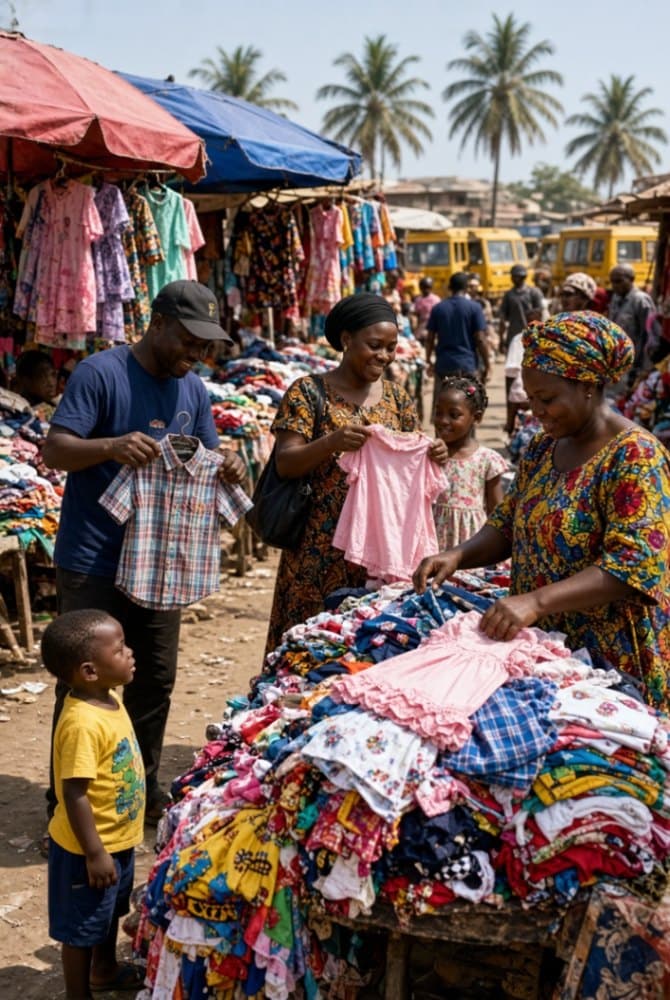
Buying secondhand clothes is common in Nigeria because it gives you more style options at lower cost, and it also supports reuse instead of waste. But before any thrifted item goes near your skin, I treat it like shared property that needs a proper clean, because secondhand clothing can carry dust, odour, sweat residue, and in some cases pests or microorganisms if it was poorly stored. Circular fashion research in Africa also shows that secondhand clothing trade is widespread and tied to reuse, but it still needs responsible handling at the household level.
Secondhand clothes move through many hands, storage spaces, and transport conditions before they reach you. That means the first job is not styling; it is removing dirt, odour, and anything that may have settled on the fabric during handling or storage. In practice, that starts with sorting, inspecting, soaking, washing, and drying under clean conditions rather than rushing to wear the item the same day.
In Nigeria, thrift pieces often come from markets, bale sorting, or peer-to-peer resale, so the condition of each item is different. Some items may only need a normal wash, while others need extra attention because of strong smells, visible stains, or unknown storage history. A careful cleaning routine helps you make the item wearable without damaging the fabric.
Before washing, I check the garment for these issues:
If an item smells strongly of mildew or has a sticky feel, I treat it as a deeper cleaning case rather than a quick rinse. If it has delicate trims, beads, or special finishes, I separate it from regular laundry and clean it more gently to avoid damage.
A practical routine works well for most thrifted clothes:
Have something to give away or sell?
Post your first listing — it only takes a couple of minutes.
Heat is useful because proper washing and drying reduce many common hygiene concerns. For household textiles, health and sanitation guidance from public health sources generally emphasizes cleaning, drying, and avoiding damp storage because moisture helps odour and microbial growth linger.
Different fabrics react differently to water, heat, and chemicals. Here is a practical guide I use for thrifted pieces.
| Fabric type | Cleaning approach | Notes |
|---|---|---|
| Cotton | Warm wash with detergent, then thorough drying | Handles regular washing well |
| Denim | Inside-out wash, moderate detergent, air-dry | Helps preserve color |
| Polyester and blends | Normal wash, cool to warm water | Dries faster and holds less moisture |
| Linen | Gentle wash, air-dry, press while slightly damp | Creases easily |
| Wool | Hand wash or gentle cycle with wool-safe soap | Avoid hot water and rough wringing |
| Silk | Gentle hand wash or dry-cleaning level care | Use minimal agitation |
| Embellished items | Spot clean and hand wash carefully | Protect beads, sequins, and trims |
If the label is missing, I start with the gentlest safe method and only increase intensity if the fabric can handle it. For mixed fabrics, I follow the most delicate fiber in the blend.
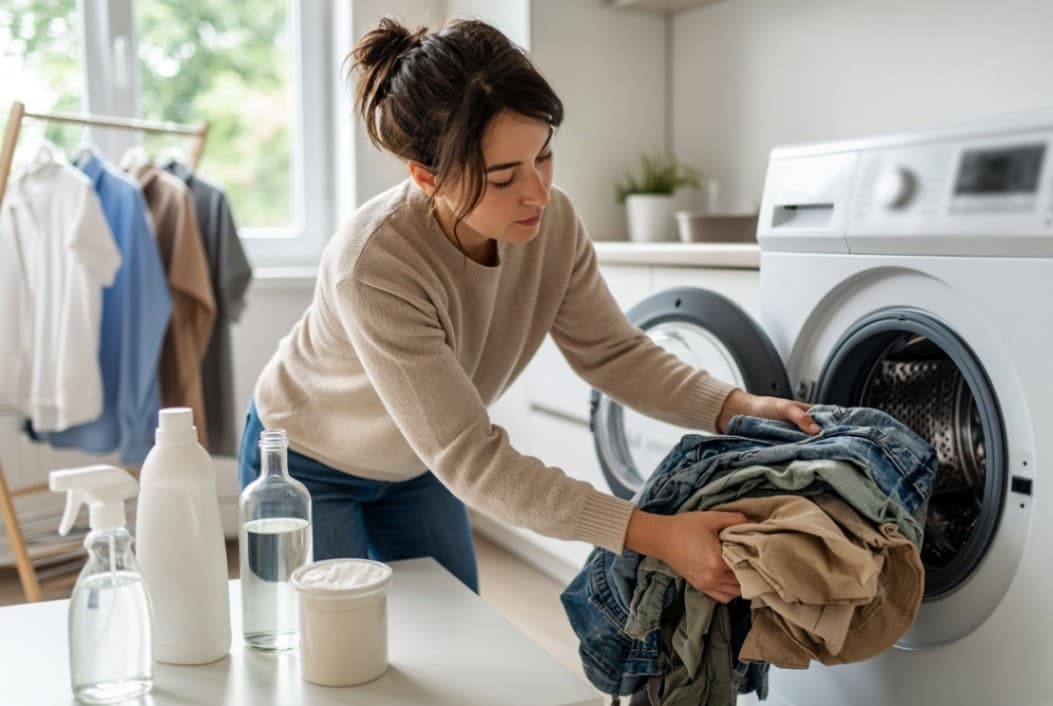
For most everyday thrift items, a good detergent wash is the first line of cleaning. If the item still smells after washing, I use one of these supportive methods depending on the fabric:
I avoid using harsh chemicals on clothing unless the fabric and care instructions clearly allow it. Strong bleach can weaken fibers, strip color, and leave residues if it is not properly diluted and rinsed. For baby clothes, underwear, or items worn close to the skin, clean water rinsing and full drying matter more than overusing chemicals.
Use this quick checklist when thrifted clothes still smell after the first wash:
Persistent odour often comes from trapped moisture rather than dirt alone. If the garment goes into storage while even slightly damp, the smell can return and become harder to remove.
Heat is useful because it helps finish the cleaning process on many sturdy fabrics. Cotton, denim, and linen can usually handle warm or hot washing, followed by ironing if the label allows it. For garments worn close to the body, ironing can also help give the fabric a fresher finish after washing.
That said, heat is not for every item. Elastic waistbands, printed graphics, faux leather, wool, silk, and some synthetic blends can shrink, crack, or lose shape if exposed to too much heat. The fabric label remains the first reference point, and when there is no label, gentle care is safer than aggressive washing.
A lot of thrift cleaning mistakes happen because people try to disinfect clothes the same way they clean hard surfaces. Clothing is different. These are common errors to avoid:
Perfume only covers smell for a short time. It does not clean the fabric, remove residue, or fix moisture problems.
Some secondhand items need a little more attention than regular shirts or jeans.
Shoes, bags, and fabric accessories may need surface cleaning, air-drying, and separate storage from clothing. If an item has removable linings, straps, or inserts, I clean each part separately where possible. For items with strong smell or dampness, ventilation matters as much as washing.
These categories need stricter cleaning because they sit close to the skin. A thorough wash with detergent and complete drying is essential, and many people prefer to avoid buying such items secondhand unless the source, condition, and cleaning history are very clear.
If the item is lined, embroidered, beaded, or fragile, gentle hand cleaning is often more appropriate than forceful washing. The goal is to make the item wearable without ruining its structure.
For secondhand trading in Nigeria, safe handling starts before the item changes hands. The Federal Competition and Consumer Protection Act 2018 created a framework for consumer protection in Nigeria, and the Federal Competition and Consumer Protection Commission has public-facing consumer guidance on fair dealing and complaint resolution. In a practical thrift context, that means clear item descriptions, honest condition notes, and careful hygiene practices help reduce disputes and improve trust.
Good peer-to-peer selling habits also matter:
For buyers, the safest route is to inspect the fabric, ask about condition, and clean the item before wear. That kind of routine supports trust without turning every transaction into a guesswork exercise.
If you want a simple and affordable household setup for thrift care, these are common categories of items that many people already keep at home.
| Item | Typical use |
|---|---|
| Laundry detergent | Main wash cleaning |
| White vinegar | Odour support in rinse or soak |
| Baking soda | Pre-soak for smell control |
| Soft brush | Spot treatment for collars and cuffs |
| Iron or steamer | Heat finish for suitable fabrics |
| Drying line or rack | Full drying before storage |
In practical terms, cleaning thrift clothes does not require expensive products. A consistent wash-and-dry routine usually does more than fancy sprays or scented products.
A cotton shirt from a thrift market often comes with mild odour, fold marks, and maybe a little dust. I first shake it outdoors, check the collar and underarms, then soak it briefly in water with detergent. After that, I wash it, rinse fully, dry it in open air, and iron it while it is still slightly crisp but not wet. That process usually leaves the shirt ready for regular wear without harsh treatment.
A synthetic blouse follows a different path. I still inspect and wash it, but I avoid very hot water and heavy heat. The aim is clean fabric, fresh smell, and intact shape.
Small habits make thrift clothing feel cleaner and last longer:
These habits matter in Nigerian weather, where humidity can make fabrics hold onto smells and moisture more easily than in drier climates.
If you use Threddo, its safety guidance and listing format can help buyers know whether an item is fresh, cleaned, or still pending wash before they arrange pickup or delivery. You can also link readers to your platform’s safety page and listings page as a simple trust signal: Threddo Safety and Threddo Listings.
The cleanest thrift routine is simple: inspect, wash, rinse, dry, and store properly. Once you understand the fabric and remove moisture completely, most secondhand clothes can be made fresh, wearable, and comfortable without complicated products. This article is for educational purposes only and does not constitute professional advice. Always follow safe trading practices and use your own judgement.