T
Loading…
Loading…
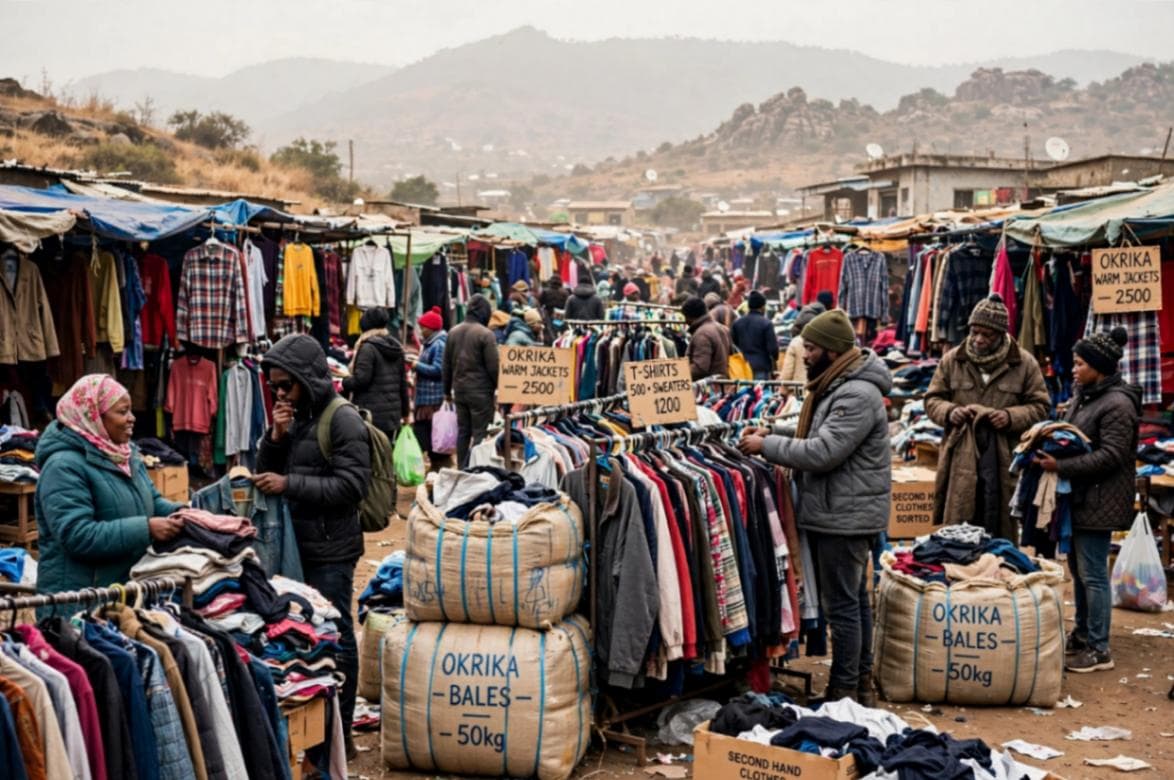
If you've ever wondered where to find quality secondhand clothes in Jos without overspending, you're not alone. Thrift shopping in Plateau State offers real value, unique finds, and a chance to participate in Nigeria's growing circular fashion economy—if you know where to look and how to buy safely.
Last Updated: September 2026
Thrift shopping—often called "bend-down-select" in Nigeria—is more than a budget hack. It's a cultural practice that helps everyday people access quality fashion at lower prices while extending the life of garments. In a country where new clothing costs keep rising, secondhand markets provide an affordable alternative that aligns with circular economy principles: reuse, reduce waste, and stretch every naira.
For Plateau residents and visitors, Jos thrift markets serve as a practical hub for men's, women's, and kids' wear, including shoes, bags, and accessories. When approached with care, these markets can deliver excellent value without the risks of unsafe trading or poor-quality items.
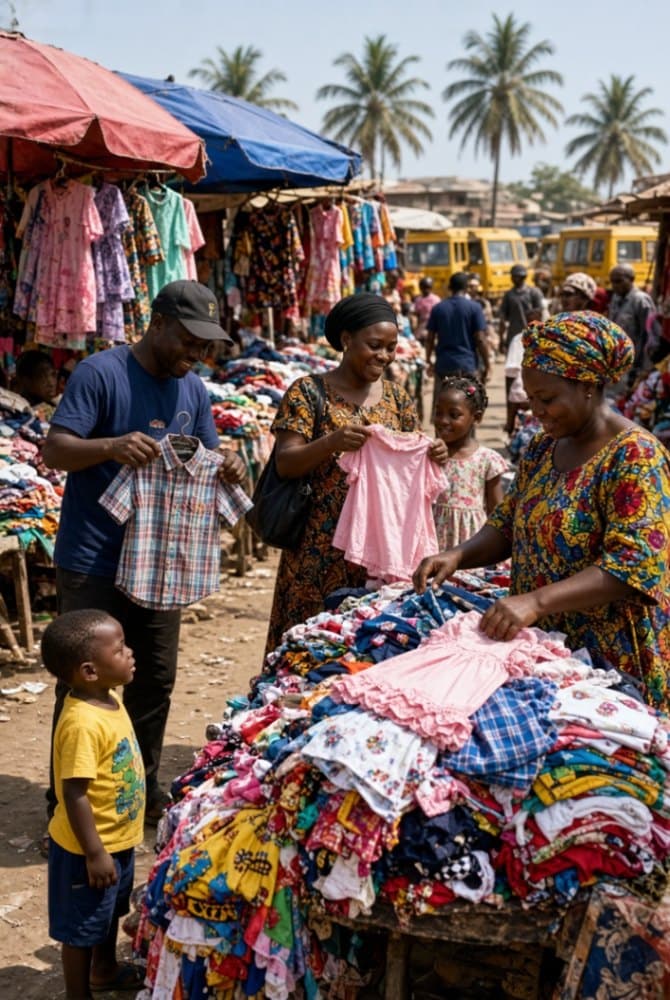
While specific market names shift over time, Jos has several known zones where secondhand clothing traders cluster. These areas typically feature open stalls, roadside displays, and small shops selling "okrika" (imported used clothes) and locally curated preloved items.
Prices and quality depend on the seller, the bale grade, and the day's demand. Early mornings and weekdays often yield better picks and calmer bargaining.
Prices fluctuate with inflation, bale quality, and location, but these ranges reflect common expectations for everyday thrift buys in Plateau State.
Have something to give away or sell?
Post your first listing — it only takes a couple of minutes.
| Item Type | Typical Price Range (₦) | Notes |
|---|---|---|
| Women's tops/blouses | 1,500 – 5,000 | Depends on fabric, brand, and condition |
| Men's shirts (casual/formal) | 2,000 – 6,000 | Branded items cost more |
| Jeans/trousers | 2,500 – 7,000 | Denim quality and fit affect price |
| Dresses/skirts | 2,000 – 8,000 | Evening wear or designer pieces can be higher |
| Kids' outfits (sets) | 1,000 – 4,000 | Bundles may offer better value |
| Shoes (sneakers, flats) | 3,000 – 10,000 | Condition and sole wear matter |
| Bags & purses | 2,000 – 9,000 | Leather or branded items cost more |
| Accessories (belts, scarves) | 500 – 2,500 | Often negotiable |
These figures are guides, not fixed rules. Always inspect items thoroughly before paying.
Buying smart starts with knowing what to check. Use this quick checklist to avoid common pitfalls like hidden tears, weak zips, or poor fabric.
If a seller refuses inspection or rushes you, walk away. Safe trading includes the right to examine goods before payment.
Nigeria's consumer protection framework supports fair trading practices. The Federal Competition and Consumer Protection Commission (FCCPC) provides guidelines that empower buyers to seek redress for defective goods or misleading sales. While thrift markets operate informally, basic safety principles still apply.
These steps align with general platform safety guides used by Nigerian peer-to-peer marketplaces, which emphasise direct, transparent buyer-seller contact and no upfront fees.
Jos thrift markets reflect Nigeria's broader "bend-down-select" culture, where patience and negotiation skills pay off. Sellers often price higher initially, expecting haggling. Polite bargaining can lower costs by 10–30%, especially for multiple items.
These habits help you avoid impulse buys and focus on pieces that truly fit your style and budget.
Secondhand clothing extends garment life cycles, reducing textile waste and the demand for new production. In Nigeria, where textile waste and synthetic dye pollution are growing concerns, reusing clothes through thrift markets offers a practical, low-tech circular solution. While global secondhand trade has complex impacts, local reuse within Nigeria keeps clothes in circulation longer and lowers per-wear environmental costs. Choosing quality preloved items in Jos markets is one way everyday shoppers contribute to a more sustainable fashion system without sacrificing style.
Even experienced thrifters make errors. Here are frequent pitfalls and how to sidestep them.
Avoiding these mistakes saves money and reduces the chance of regrettable purchases.
| Aspect | What to Know |
|---|---|
| Best times to visit | Early mornings, weekdays |
| Price negotiation | Common; 10–30% off initial ask is typical |
| Payment methods | Cash preferred; avoid advance transfers |
| Inspection rights | Always examine before paying |
| Safety priority | Public, busy locations; keep records |
| Sustainability benefit | Extends clothing life, reduces waste |
Use this as a pocket guide when planning your next thrift run in Plateau.
Not everyone can visit physical markets regularly. For those who prefer browsing from home, WhatsApp-first peer-to-peer platforms operate in Nigeria with no listing fees and direct buyer-seller contact. These spaces can complement market visits by expanding access to secondhand clothes, shoes, bags, jewellery, hair, and accessories across regions.
If you're in Plateau and want to list or find preloved items online, platforms like Threddo.com.ng offer a free, WhatsApp-first marketplace for Nigerian users. Safety tips and community guidelines mirror the principles above: inspect items, meet in public, and avoid upfront payments.
Jos thrift markets remain a practical, budget-friendly option for Nigerians seeking quality secondhand fashion in Plateau State. With the right inspection habits, safety awareness, and bargaining skills, you can build a stylish wardrobe while supporting circular fashion principles.
This article is for educational purposes only and does not constitute professional advice. Always follow safe trading practices and use your own judgement.