T
Loading…
Loading…
Last Updated: September 2026
Kaduna thrift markets can be a practical place to find affordable clothes, shoes, bags, and accessories without paying retail prices. If you are new to secondhand shopping, I’ll show you how thrift buying works in Kaduna, what to check before paying, and how to avoid common mistakes.
Thrift shopping in Nigeria is popular because it gives buyers access to low-cost fashion and household value at a time when many people are price-conscious. Secondhand clothing also fits into the wider circular economy, where items stay in use longer instead of being discarded early. In practice, that means a jacket, sneaker, or handbag can move from one owner to another and still serve well.
Kaduna is a busy commercial city with students, workers, traders, and families all looking for value. That makes thrift markets useful for everyday dressing, school needs, casual wear, and occasional occasion pieces. For beginners, the real advantage is not just cheaper prices, but the chance to compare many items in one trip.
These are the phrases people often use when looking for thrift shopping options in and around Kaduna:
Use these phrases naturally when you ask around, search online, or speak with market sellers. They help you describe what you want more clearly, especially if you are searching for a specific item like sneakers, jeans, or a handbag.
If you are new to thrift shopping, begin with items that are easier to inspect. Clothes with simple stitching, shoes with intact soles, and bags with working zips are easier to judge than heavily embellished pieces.
Good starter categories include:
These items often show wear in obvious ways, so you can spot quality more quickly. For beginners, that reduces the chance of paying for something that looks fine from a distance but fails after one or two uses.
Have something to give away or sell?
Post your first listing — it only takes a couple of minutes.
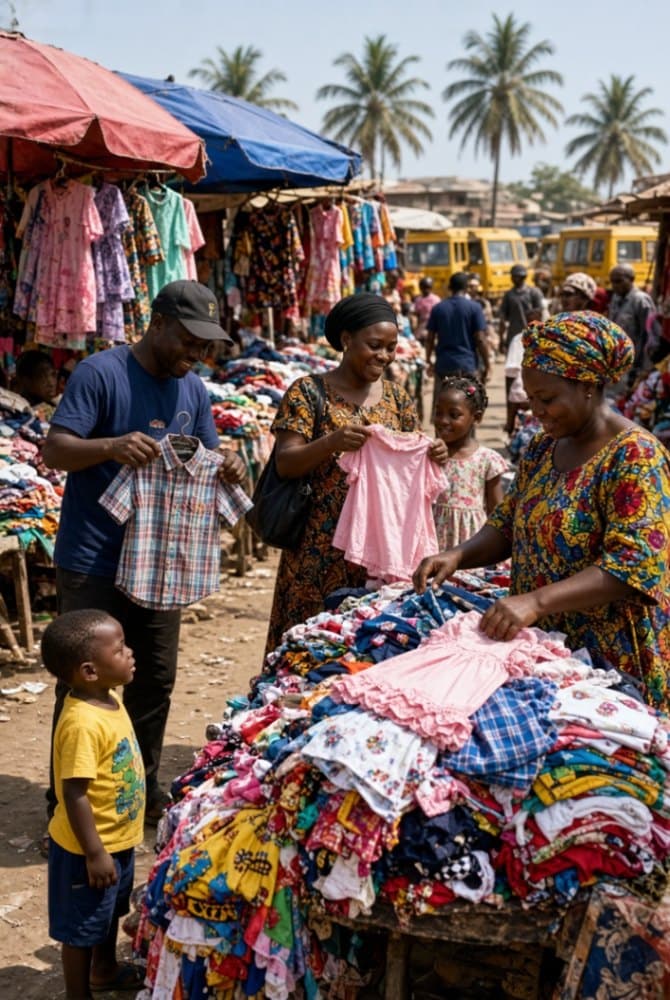
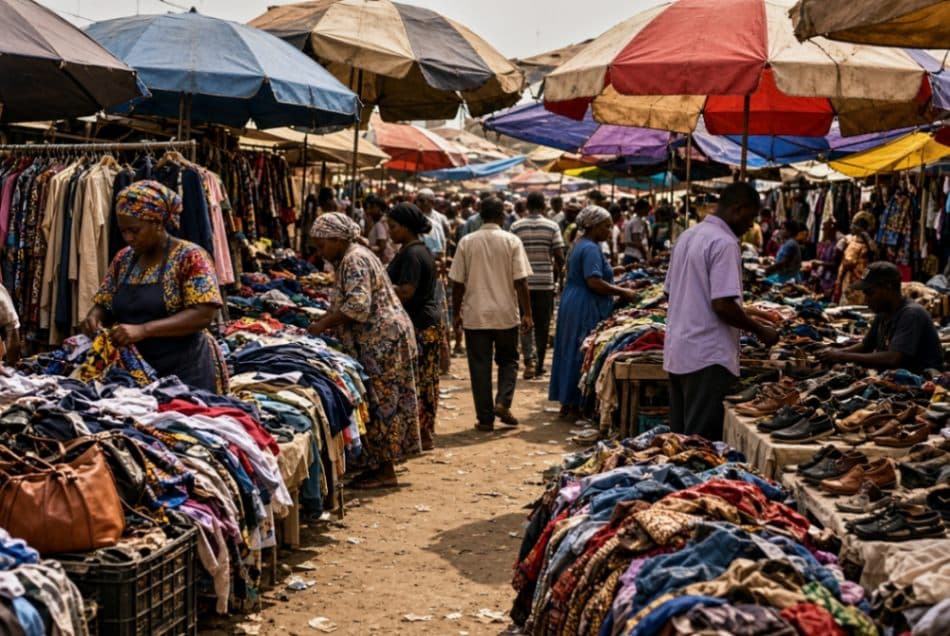
Kaduna thrift buying often happens in open markets, roadside stalls, and mixed fashion sections where used clothing is sold alongside new items. In many Nigerian cities, secondhand trading is spread across market clusters rather than one single “official” thrift location. That means asking local sellers, student vendors, and market regulars usually helps more than relying on one label.
When you visit a market, look for:
For a beginner, a market with many similar stalls is useful because it makes price comparison easier. If one seller quotes ₦8,000 for a pair of jeans, another stall in the same area may offer a similar pair for less or in better condition.
The main thrift skill is inspection. You can save money if you learn to check fabric, seams, soles, zips, buttons, and stains before paying.
| Item | What to check | Why it matters |
|---|---|---|
| Clothes | Stains, holes, faded armpits, stretched necklines | These issues often reduce wearability |
| Jeans and trousers | Zips, waist fit, crotch seams, hem wear | Repairs can cost more than the item |
| Shoes | Sole wear, cracked uppers, inner lining, smell | Deep damage shortens life |
| Bags | Zip strength, handle stitching, corners, inner lining | These are the parts that fail first |
| Jewellery | Clasps, missing stones, tarnish, skin reaction risk | Small defects affect use and comfort |
| Hair accessories | Elastic stretch, clip strength, rust | Weak parts break quickly |
A useful habit is to look at the item under natural light if possible. Indoor shadows can hide stains, while bright light makes discoloration easier to see. If an item has a smell that does not go away after airing, that is a sign to pause and inspect more carefully.
Prices change by stall, item condition, brand, and season. Still, these sample ranges can help you navigate a thrift market in Kaduna without guessing.
| Item type | Common range in ₦ | Notes |
|---|---|---|
| T-shirts | 1,000–4,000 | Branded pieces may cost more |
| Jeans | 3,000–10,000 | Condition and fit matter a lot |
| Dresses | 2,000–8,000 | Occasion pieces often cost more |
| Sneakers | 5,000–20,000 | Sole condition drives price |
| Flats/slippers | 2,000–8,000 | New-looking pairs move faster |
| Bags | 3,000–15,000 | Leather-like items may sit higher |
| Jewellery | 1,000–7,000 | Tarnish lowers value |
| Kids’ clothes | 1,000–5,000 | Bundles may offer better value |
These ranges are practical starting points, not fixed rules. A cleaner item in excellent condition can sit above the range, while a damaged one may be cheaper but less useful.
Negotiation is common in thrift markets, but it works better when it is respectful and brief. Sellers usually respond more positively when you point to the item’s condition and ask directly about the final price.
A simple approach is:
For example, if a seller asks ₦9,000 for jeans with slight fading, you can ask whether ₦7,000 is acceptable. That keeps the conversation clear and avoids pressure on either side. The goal is not to “win” the exchange, but to agree on a fair price for both of you.
Safety matters whether you buy in a physical market or from a seller you meet through WhatsApp or social media. Nigeria’s consumer protection framework expects businesses to avoid misleading practices, and buyers still benefit from keeping records, inspecting goods, and asking clear questions before paying. In practice, the safest transactions are the ones where item condition, price, and pickup location are all clear before money changes hands.
Useful safety habits include:
If you are buying shoes, bags, or electronics-adjacent accessories, verify that all visible parts work before leaving. A zipper, buckle, clasp, or strap problem is easier to reject on the spot than to fix later.
Secondhand fashion supports reuse, which is one of the core ideas behind circular fashion and waste reduction. Studies also show that the secondhand clothing trade in Africa is large and complex, with major import and resale flows across the continent. At the same time, researchers warn that secondhand systems are not automatically “green” unless they are paired with better waste handling and responsible consumption.
For a beginner, the practical takeaway is simple: buy items you will actually use often, and keep them in circulation for as long as possible. That may mean choosing neutral colors, durable fabrics, and repairable styles instead of impulsive purchases.
Beginners often lose money through avoidable habits. The most common ones are easy to correct once you know what to watch for.
One practical example is a “cheap” shirt that costs ₦1,500 but has hidden underarm damage. It may look like a bargain until you cannot wear it confidently. In thrift shopping, value comes from how long the item will last, not only from the sticker price.
If you are shopping in Kaduna for the first time, this order keeps things manageable:
That process reduces impulse buying and gives you more confidence. It also helps you learn market patterns, which becomes useful on later visits.
Here is a sample beginner basket for everyday use:
| Item | Example target price in ₦ | Why it works |
|---|---|---|
| 2 T-shirts | 3,000–6,000 total | Easy everyday wear |
| 1 pair of jeans | 4,000–8,000 | Durable and versatile |
| 1 pair of sneakers | 6,000–15,000 | Good for school or casual use |
| 1 bag | 4,000–10,000 | Useful for classes or outings |
| 1 accessory | 1,000–4,000 | Small style upgrade |
This kind of basket helps you compare thrift value with what you would pay for new items. For many shoppers, the difference is not only in price, but in the chance to get better material for the same budget.
Even if your main goal is buying, thrift markets work better when people also re-circulate items they no longer use. That keeps wardrobes cleaner and helps reduce unnecessary waste. Simple local swaps, donation habits, and resale practices all support the same circular logic discussed in sustainability research.
If you pass on clothing, do a quick condition check first:
That kind of clarity makes secondhand trading smoother for everyone involved.
If you later want to list or find secondhand items online, a WhatsApp-first marketplace like Threddo’s listings page can fit the same habits you use in the market: clear photos, honest descriptions, and safe meeting arrangements. Their safety guide is a useful reference for keeping contact direct and practical.
Kaduna thrift markets are easier to navigate when you focus on inspection, price comparison, and simple safety habits. Once you know what to check, secondhand shopping becomes a practical way to find useful clothes, shoes, bags, and accessories without overpaying. This article is for educational purposes only and does not constitute professional advice. Always follow safe trading practices and use your own judgement.