T
Loading…
Loading…
Last Updated: September 2026
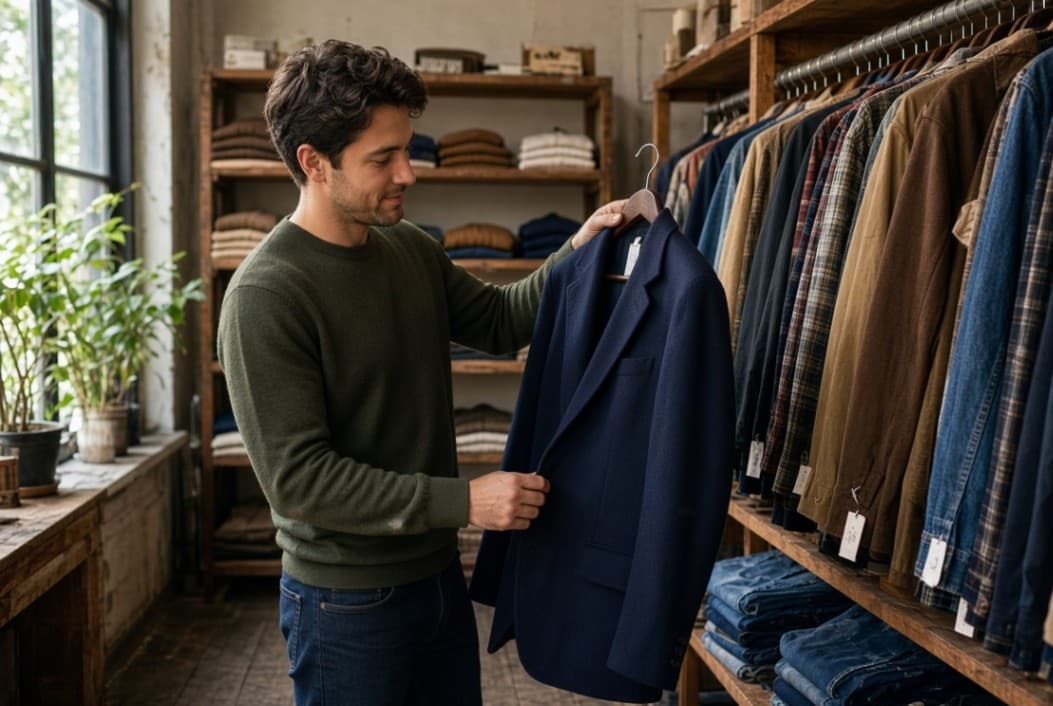
Thrift shopping for men in Nigeria is no longer just about finding cheap clothes; it is also about finding better value, better fit, and more personal style. In practice, a good thrift buy can give you quality shirts, jeans, jackets, shoes, bags, and accessories at a fraction of new retail prices, while also supporting reuse instead of waste.
Men often start thrift shopping for one simple reason: price. Secondhand fashion also gives you access to older cuts, tougher fabrics, and unique pieces that are not easy to find in regular stores, especially when you want workwear, vintage denim, or a specific sneaker style.
There is also a broader sustainability angle. Research on second-hand clothing trade shows that reuse is tied to circular economy goals, even though the system has limits and environmental trade-offs when used clothing is exported across borders in large volumes. For everyday shoppers in Nigeria, the practical takeaway is simple: buying pre-owned items extends garment life and reduces the need for new production.
If you are new to men’s thrift shopping, begin with items that are easier to judge by eye and touch.
These categories are usually easier to inspect for wear, size, and fabric condition than suits or formal shoes. They also fit into many Nigerian wardrobes because they work for school, church, casual outings, internships, and weekend wear.
For many Nigerian buyers, the best starting point is a place where you can ask questions, see close-up photos, and compare several pieces before paying. A WhatsApp-first marketplace can help with that because it keeps the conversation direct and simple.
Before price comes style, and before style comes condition. I find it helpful to inspect thrift items in a fixed order so nothing gets missed.
Have something to give away or sell?
Post your first listing — it only takes a couple of minutes.
In resale shopping, condition matters as much as the label. A named brand in poor shape can cost more in repairs and cleaning than a clean no-name item in good condition.
Sizing is one of the biggest reasons thrift shoppers miss good deals. Many secondhand items come from different countries, so the tag size may not match what you expect in Nigerian stores.
| Item | What to measure | Practical note |
|---|---|---|
| Shirts | Neck, chest, shoulder, sleeve | Shoulder fit matters most for appearance. |
| Trousers/Jeans | Waist, inseam, rise | A good waist fit reduces tailoring costs. |
| Jackets | Chest, shoulder, sleeve | Slightly roomy is easier to wear than too tight. |
| Shoes | Length, width, toe space | Try both feet if possible; sizes can differ. |
| Bags | Strap length, opening, capacity | Check if the zip and lining can handle daily use. |
A simple tape measure can save time and money. If you already know your chest, waist, and shoe length, shopping becomes much faster because you can compare those numbers to the seller’s measurements instead of guessing.
Prices vary by location, condition, brand, and demand, but a rough range can help you plan. In Nigerian thrift markets, price differences are often driven more by condition and trend than by the original retail label.
| Item type | Common thrift range |
|---|---|
| T-shirts | ₦1,500–₦5,000 |
| Casual shirts | ₦2,500–₦7,000 |
| Jeans | ₦4,000–₦15,000 |
| Polo shirts | ₦2,500–₦8,000 |
| Sneakers | ₦6,000–₦25,000 |
| Formal shoes | ₦7,000–₦20,000 |
| Jackets | ₦6,000–₦30,000 |
| Bags | ₦4,000–₦25,000 |
These are not fixed rates; they are practical ranges for comparison shopping. A cleaner item in strong condition usually sits at the higher end, while a worn piece with repair needs should be priced lower because of cleaning or tailoring costs.
In thrift shopping, quality is not always about the brand name. It is often about how the item was made and how much life remains in it.
A thicker fabric can sometimes outlast a newer fast-fashion piece, especially when the garment has already been washed many times and no longer shrinks much. That is one reason many thrift buyers focus on construction instead of brand hype.
The easiest thrift mistakes are usually rushed decisions. A low price can hide expensive problems if the item needs repair, re-dyeing, or deep cleaning.
The most useful habit is to compare the item’s total cost, not just the sticker price. Total cost includes cleaning, minor tailoring, and the number of times you can realistically wear it.
Different places work for different kinds of buyers.
| Shopping place | Good for | Watch out for |
|---|---|---|
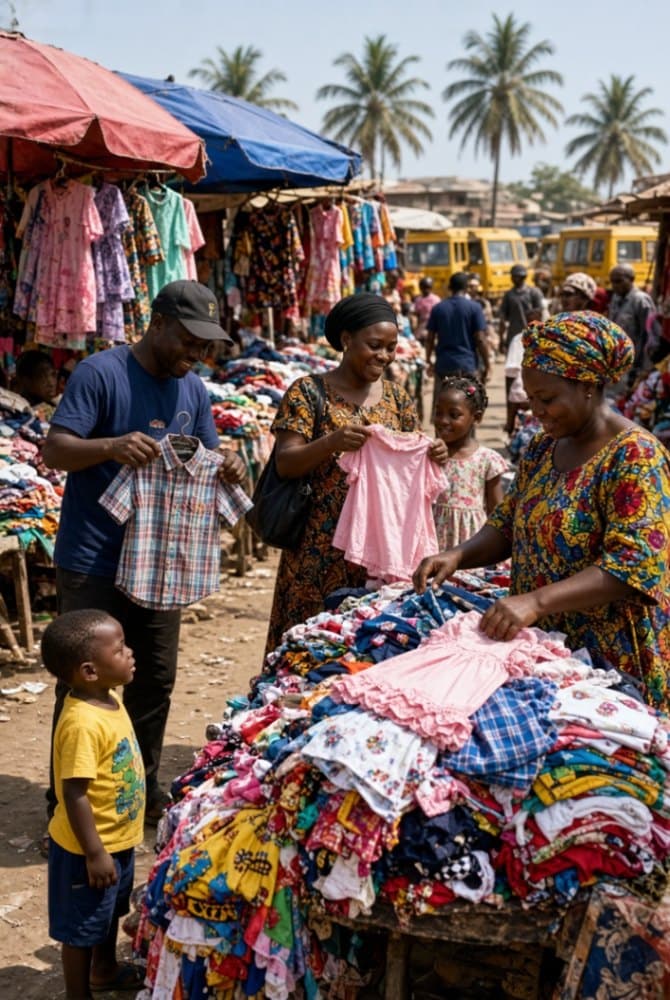
| Local thrift market | Bargains, variety, instant inspection | Crowds, time pressure, mixed quality |
| Online resale | Wider selection, easy comparison | False photos, sizing mistakes |
| WhatsApp sales | Direct chat, quick negotiation | Scams, poor photo quality |
| Community swaps | Free or low-cost finds | Limited sizes and styles |
| Donation events | Budget-friendly basics | Uneven stock and fast turnover |
For beginners, a mixed approach works well. Start with in-person inspection for your first few purchases, then use online buying once you know your size, preferred fabrics, and the brands that fit you best.
Nigeria’s consumer protection framework emphasizes fair dealing, accurate information, and protection against misleading practices, so it makes sense to verify what you are paying for before sending money. For secondhand shopping, that means checking item condition, asking clear questions, and keeping proof of payment and product details.
These habits are practical whether you are buying a shirt in Balogun, a pair of sneakers on Instagram, or a jacket through WhatsApp. Good documentation also makes it easier to resolve misunderstandings later.
You do not need a full wardrobe reset to thrift well. A few reliable pieces can create many outfits.
These combinations work because they rely on simple colors and easy fits. If you are building from scratch, neutral tones like navy, black, grey, beige, and white are easier to mix than loud patterns.
Secondhand clothes often need a reset before first wear. Washing, airing, and sometimes light tailoring can make a thrift item look much better.
For shoes, a clean sole and fresh insole can change the whole look. For shirts and trousers, proper pressing helps thrifted pieces look intentional rather than random.
If you are starting with a modest budget, it helps to set categories instead of shopping randomly.
| Budget | Example basket |
|---|---|
| ₦10,000 | 2 T-shirts, 1 shirt, 1 cap |
| ₦25,000 | 1 jeans, 2 shirts, 1 polo, 1 belt |
| ₦50,000 | 1 jacket, 1 jeans, 2 shirts, 1 pair of shoes |
| ₦100,000 | Mixed workwear capsule with shoes, bags, and outerwear |
This kind of basket planning helps you buy fewer, better pieces instead of many items you rarely wear. It also makes it easier to compare prices across sellers because you already know what you want.
Before you pay for any thrift item, run through this list.
A simple checklist like this reduces regret and helps you build confidence over time.
If you want a WhatsApp-first place to list or browse secondhand menswear in Nigeria, Threddo makes it easy to post items, chat directly, and keep the exchange simple through its safety-focused flow: safety and listings.
Men’s thrift shopping in Nigeria works best when you start with basics, check condition carefully, and buy for fit first, price second. The strongest wins usually come from simple pieces like shirts, jeans, polos, jackets, shoes, and accessories that can be cleaned, styled, and worn often. This article is for educational purposes only and does not constitute professional advice. Always follow safe trading practices and use your own judgement.