T
Loading…
Loading…
Last Updated: September 2026
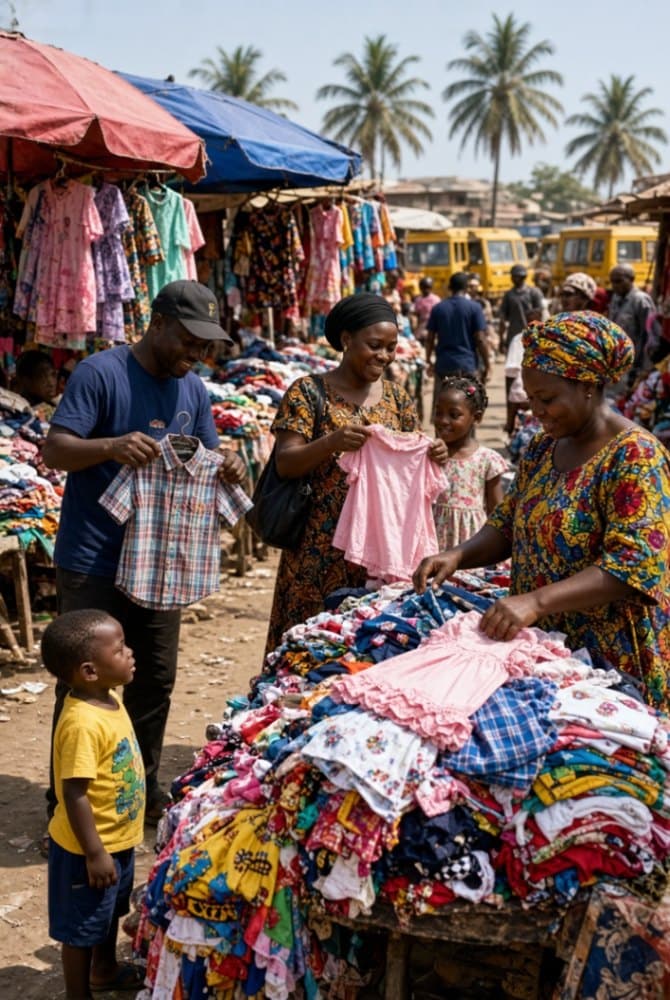
Port Harcourt has one of the busiest secondhand fashion scenes in the South-South, and when people search for okrika market Port Harcourt, they are usually looking for places with variety, fair prices, and easy access. Mile 1 is the name that comes up most often, but the real buying map goes beyond one market, especially if you want clothes, shoes, bags, jewellery, or mixed bale pieces at different price points. Okrika, also called thrift or secondhand clothing, remains a practical option for many Nigerians because it offers more variety than many new-retail budgets can stretch to, while also fitting into the wider circular fashion economy described in recent sustainability research.
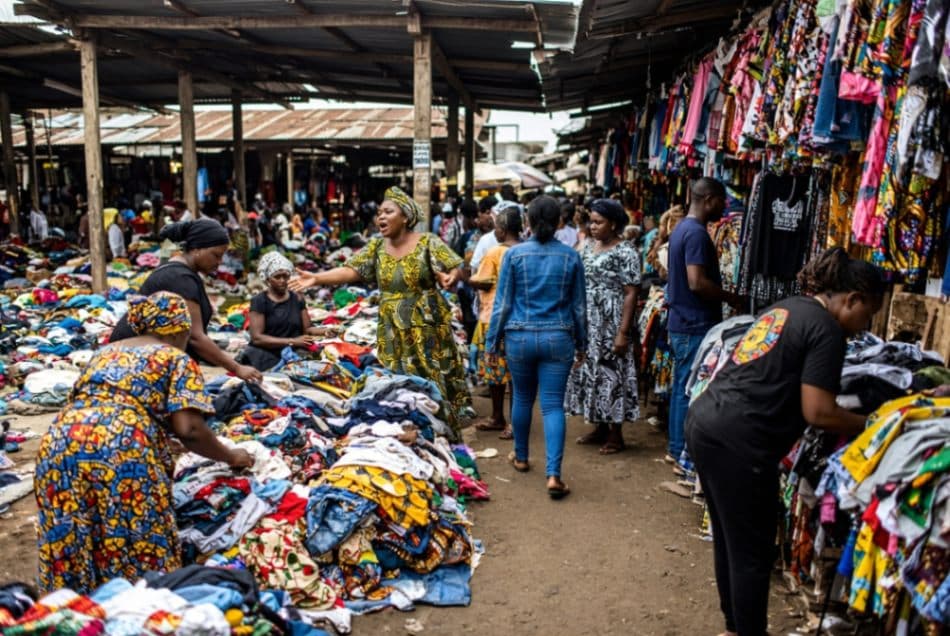
Mile 1 is widely associated with secondhand trade in Port Harcourt because it has the market structure, foot traffic, and reseller activity that buyers expect from a thriving thrift hub. In practice, that means more room for sorting, bargaining, and finding mixed-quality items in one trip rather than visiting many small shops. For a buyer, the main advantage is selection: you can move from everyday tops to trousers, children’s wear, footwear, handbags, and mixed accessories without changing locations. That variety is one reason people keep returning to Mile 1 when they want a broad thrift market experience.
The Port Harcourt thrift scene is not only about one famous market. Buyers often compare options based on distance, stock quality, and how crowded the market gets on a given day. I find it useful to think of the city in layers: a central wholesale-style buying zone, smaller retail clusters, and individual vendors who sort and resell from home fronts or roadside stalls.
| Buying area | What it is useful for | Typical stock you may see | Buyer note |
|---|---|---|---|
| Mile 1 area | Large thrift browsing and mixed selection | Clothes, shoes, bags, mixed fashion items | Good for variety and price comparison |
| Nearby market clusters | Smaller, quicker shopping trips | Selected pieces, curated thrift, casual wear | Easier if you already know what you want |
| Street-side resellers | Convenient daily buying | Tops, trousers, kids’ wear, footwear |
Have something to give away or sell?
Post your first listing — it only takes a couple of minutes.
| Stock changes fast, so timing matters |
| Social sellers and WhatsApp resellers | Direct contact, pre-posted photos | Handpicked items, donations, bundles | Useful when you want to preview items before going out |
Okrika in Port Harcourt covers more than shirts and dresses. The secondhand trade also includes shoes, handbags, belts, caps, costume jewellery, children’s clothes, and hair accessories, which matches the wider reuse-and-resale pattern seen across circular fashion markets in Nigeria and Africa. In many markets, the quality spread is wide: you may find nearly new branded pieces alongside older everyday wear. That is why sorting matters more than rushing, especially if you are shopping for a particular event or trying to keep to a budget.
Prices vary by seller, stock source, season, and item condition, but these ranges are a realistic starting point for shopping conversations in a city market setting.
| Item type | Lower range | Mid range | Higher range |
|---|---|---|---|
| T-shirts and casual tops | ₦1,000 | ₦2,000–₦3,500 | ₦4,000+ |
| Jeans and trousers | ₦2,000 | ₦3,500–₦6,000 | ₦7,000+ |
| Dresses and skirts | ₦1,500 | ₦3,000–₦5,000 | ₦6,000+ |
| Shoes | ₦2,000 | ₦4,000–₦8,000 | ₦10,000+ |
| Bags | ₦2,500 | ₦5,000–₦10,000 | ₦12,000+ |
| Children’s wear | ₦800 | ₦1,500–₦3,000 | ₦4,000+ |
These numbers help you compare value, but they are not fixed because thrift pricing changes with condition, demand, and how much sorting the seller has already done.
I find thrift shopping easier when I treat it as a sorting exercise instead of a fast purchase. The best results usually come from checking stitching, zippers, sleeves, hems, underarms, and soles before talking price. In secondhand markets, the same category can include near-new pieces and heavily used ones, so your eye matters more than the label.
Price discussion is part of the thrift experience in Nigeria, and Port Harcourt is no exception. The useful approach is calm comparison: ask for the price, inspect the item, and then compare it with similar pieces from nearby stalls. If a seller can explain the condition, brand, or fabric weight, that usually helps you judge whether the price is fair. This is especially useful in markets like Mile 1 where sellers may sort stock differently, so two similar-looking items may not really be equal.
Consumer protection rules in Nigeria are relevant whenever money changes hands, especially in informal trading spaces where receipts may be limited. The Federal Competition and Consumer Protection framework gives consumers the right to information, fairness, and protection from misleading claims, so clear item descriptions and honest condition disclosure matter in any trade. In practical terms, that means you want the item details to match what was shown, and you want to avoid pressure buying when a seller is rushing you. For hygiene-sensitive items like hair accessories or wearable items, clean handling and honest condition checks are part of common-sense safety practice; when products are branded or cosmetics-adjacent, NAFDAC rules become relevant for regulated goods.
People often use “Mile 1” as shorthand for thrift shopping in Port Harcourt, but the city’s buying experience is broader than that. Some buyers prefer smaller clusters because the crowd is lighter and the pace is slower. Others like roadside sellers because the items are easier to inspect one by one. A smart approach is to match the buying point to the item type: larger hubs for variety, smaller stalls for convenience, and direct sellers for more curated pieces.
| Buying style | Good for | Trade-off |
|---|---|---|
| Large market hub | Variety and bargaining | Crowds and more sorting |
| Smaller local stalls | Faster shopping | Less choice |
| Roadside vendors | Quick, everyday purchases | Limited stock depth |
| Direct sellers | Previewing before travel | Depends on seller response |
Secondhand fashion is not only about saving money; it also fits into the larger circular-economy conversation around reusing garments, extending product life, and reducing waste. Recent research on second-hand clothing trade shows that the sector moves huge volumes globally and plays a major role in clothing access across low- and middle-income countries, while also raising concerns about waste burdens and uneven trade flows. In Nigeria, the thrift economy remains important because it supports affordable dressing, small-scale trade, and creative rewear culture, even as sustainability advocates continue to push for better textile management and smarter reuse systems.
If I were visiting an okrika market in Port Harcourt for a practical shopping trip, I would keep the plan simple:
That approach reduces impulse buying and makes it easier to judge real value in a busy market setting.
If you want to list thrift items or browse secondhand pieces without the crowd, Threddo’s WhatsApp-first setup can help you connect directly with buyers and sellers in Nigeria, while keeping the process simple and transparent. For safer trading habits, the platform’s safety guidance and listing pages are a useful starting point: Threddo Safety and Threddo Listings.
Port Harcourt’s okrika scene works best when you know where to look, what to inspect, and how to compare prices calmly. Mile 1 remains the most recognizable thrift buying point, but nearby markets, street-side sellers, and direct resellers also play a strong role in the city’s secondhand fashion ecosystem. This article is for educational purposes only and does not constitute professional advice. Always follow safe trading practices and use your own judgement.