T
Loading…
Loading…
Last Updated: September 2026
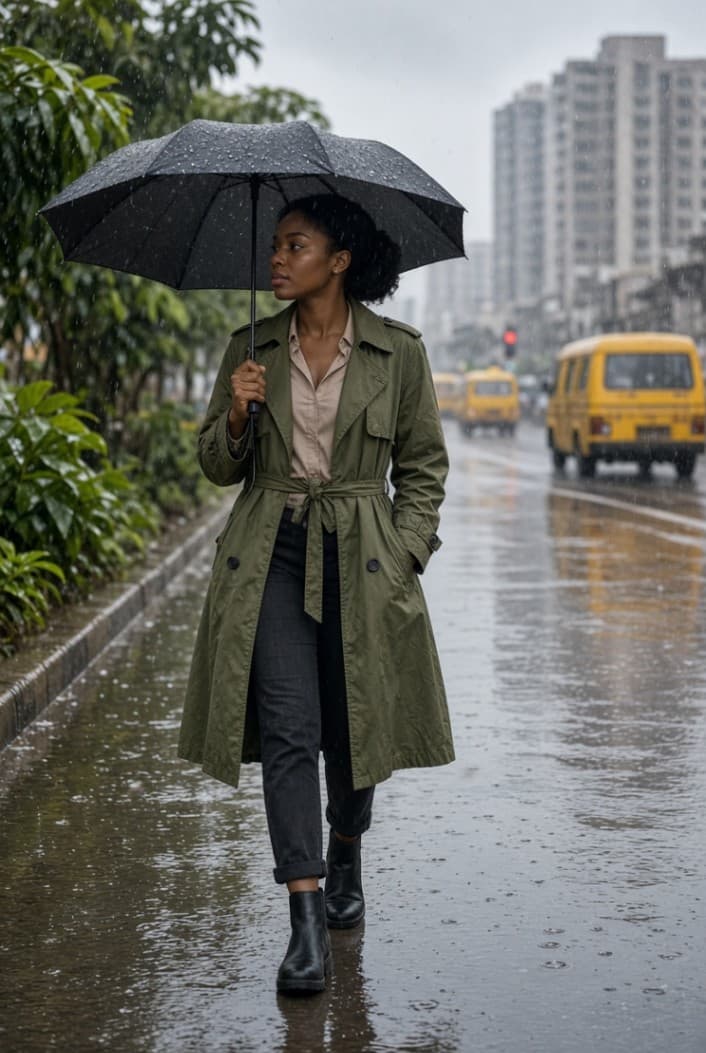
Rainy season dressing in Nigeria is about staying dry, moving easily, and choosing clothes that handle humidity without looking heavy. I focus on pieces that dry fast, resist dirt, and work for school, work, errands, and weekend plans.
Nigeria’s rainy season brings sudden downpours, wet roads, splash stains, and long hours of humidity. That changes what feels comfortable, especially if you move around by walking, tricycle, bike, bus, or car. In practice, rainy-season style is less about buying more clothes and more about choosing the right fabric, cut, and footwear for the weather.
For thrift and secondhand shoppers, rainy weather also changes how you inspect clothes. Damp storage, hidden stains, weak seams, and shoes that trap moisture become more obvious during this period. That is why smart rainy-season shopping is not only about style; it is also about durability, drying time, and ease of care.
If I were building a rainy-season wardrobe for Nigeria, I would prioritize pieces that dry quickly, layer well, and do not drag on the ground. These pieces work across casual, school, office, and weekend wear.
A simple rule that helps in Nigeria is to choose fabrics that feel lighter after washing and do not stay damp for long. That matters if you hang clothes indoors or in shaded areas during rainy weeks.
| Item | Why it works in rain | What to look for |
|---|---|---|
| Cropped trousers | Less contact with puddles and mud | Ankle length, tapered cut |
| Straight-leg jeans | More practical than wide hems | Midweight denim, dark wash |
| Midi skirts | Easier to move in than long hems |
Have something to give away or sell?
Post your first listing — it only takes a couple of minutes.
| Structured waist, hem above ankle |
| Short-sleeve shirts | Cooler in humidity | Breathable fabric, easy to layer |
| Lightweight hoodies | Useful for light rain and evening chill | Thin knit, not heavy fleece |
| Packable rain jacket | Helps during sudden showers | Water-resistant finish, easy to fold |
These pieces are flexible enough for school, work, and casual outings. They also work well in secondhand fashion because many of them can be found in good condition at lower prices than new retail items.
Footwear matters more than many people expect during the rainy season. Shoes that absorb water, hold odor, or trap mud can make a whole outfit feel uncomfortable. I find that closed shoes with a simple shape are easier to maintain than delicate styles with lots of fabric or embellishment.
Good options include:
For secondhand buyers, sole condition matters as much as the upper part of the shoe. A shoe can look fine on top but still fail if the sole is worn down or the inner lining smells damp.
Some clothes look attractive but become impractical once the rain starts. I treat rainy season shopping as a filtering exercise: if an item is hard to dry, easy to stain, or awkward around puddles, it moves down the list.
These items are not useless, but they are less convenient for regular rainy-season movement. They work better for controlled settings, special outings, or days when transport is door-to-door.
Dark colors can be useful because they hide splash marks better than pale shades. That said, very dark items may show lint, dust, and water streaks more easily if the fabric finish is glossy. Pale beige, cream, and off-white can look elegant, but they need more care during commute-heavy days.
High-shine fabrics can also be tricky in wet weather because water spots may stand out. For everyday outfits, matte finishes usually feel easier to manage.
Simple outfit formulas help when the weather changes fast and you need to dress quickly. These combinations are easy to repeat without looking repetitive.
This works because it balances comfort, movement, and quick drying. If you carry a backpack, a light outer layer also gives you a place to stash a small umbrella without adding too much bulk.
For office settings, I prefer shapes that stay neat after sitting through traffic or waiting out a shower. Wrinkle-resistant blends are useful here because they stay presentable longer.
Weekend dressing in the rainy season is easiest when the outfit is easy to wash and fast to dry. That gives you more flexibility if mud or splashes happen during the day.
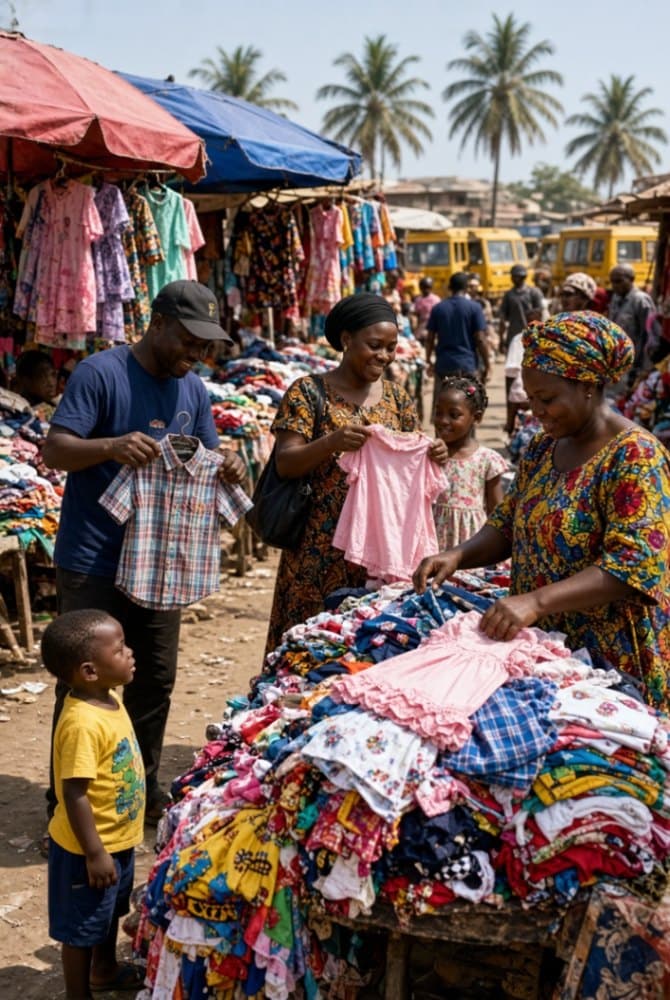
Secondhand shopping makes a lot of sense in Nigeria during the rainy season because it lets you test different fabrics and styles without a high cost. It also supports circular fashion by extending the life of clothes already in circulation. Research on secondhand clothing and circular economy trends continues to show that reused clothing keeps garments in use longer and reduces waste pressure, especially where consumers are price-conscious.
| Checkpoint | What to look for |
|---|---|
| Fabric smell | Damp, moldy, or stale odor |
| Seams | Loose threads, split side seams, weak hems |
| Armpits/cuffs | Yellowing, stains, odor buildup |
| Zips and buttons | Smooth function, missing parts |
| Shoes | Sole wear, inner lining, moisture damage |
| Bags | Cracked straps, weak bases, hidden stains |
A rainy-season thrift buy needs more inspection than a dry-season one. Moisture can hide in fabric folds, shoe linings, and bag compartments, so I look at both the visible surface and the inside structure.
In Nigeria, rainy-season secondhand prices vary by city, seller, and condition. These practical ranges can help you compare listings:
| Item | Common thrift range |
|---|---|
| T-shirts | ₦1,500–₦5,000 |
| Trousers | ₦3,000–₦10,000 |
| Skirts | ₦3,000–₦9,000 |
| Lightweight jackets | ₦5,000–₦15,000 |
| Sneakers | ₦6,000–₦20,000 |
| Rubber slides | ₦2,000–₦7,000 |
| Handbags | ₦4,000–₦18,000 |
These ranges are useful for budgeting, especially when you want a few pieces that handle wet weather rather than a full seasonal overhaul.
Rainy-season clothing care is part of the wardrobe plan. A piece can look good when bought and still fail quickly if it stays damp too long or is stored badly.
This routine lowers odor, mildew, and fabric breakdown. It also helps secondhand items last longer, which is important for value and sustainability.
These are simple maintenance habits, but they make rainy-season outfits more reliable across repeated use.
Rainy-season buying becomes expensive when the wardrobe is filled with items that look nice but fail in use. I usually avoid these mistakes when checking listings or shopping in markets.
The Federal Competition and Consumer Protection Commission has long emphasized fairness, product quality, and truthful trading standards in consumer transactions in Nigeria, which makes clear item descriptions and honest condition checks especially important. For online or marketplace buying, that translates into asking for clear photos, measurements, and defect disclosure before payment or handoff.
Use this before any purchase or outfit plan:
If the answer is “no” to two or more of these, the item is less practical for rainy-season use.
If you are listing rainy-season outfits, clear photos, clean fabric descriptions, and honest condition notes help buyers trust the item faster. A simple marketplace like Threddo can be useful for posting secondhand clothes, shoes, bags, and accessories with direct buyer contact and no in-app payment pressure.
The most useful rainy season wardrobe in Nigeria is usually small, versatile, and easy to care for. I focus on shoes with grip, fabrics that dry fast, hems that stay out of puddles, and colors that forgive splash marks. That approach works well for thrift shoppers, students, office workers, and anyone trying to stay comfortable through wet-weather routines.
This article is for educational purposes only and does not constitute professional advice. Always follow safe trading practices and use your own judgement.