T
Loading…
Loading…
Last Updated: September 2026
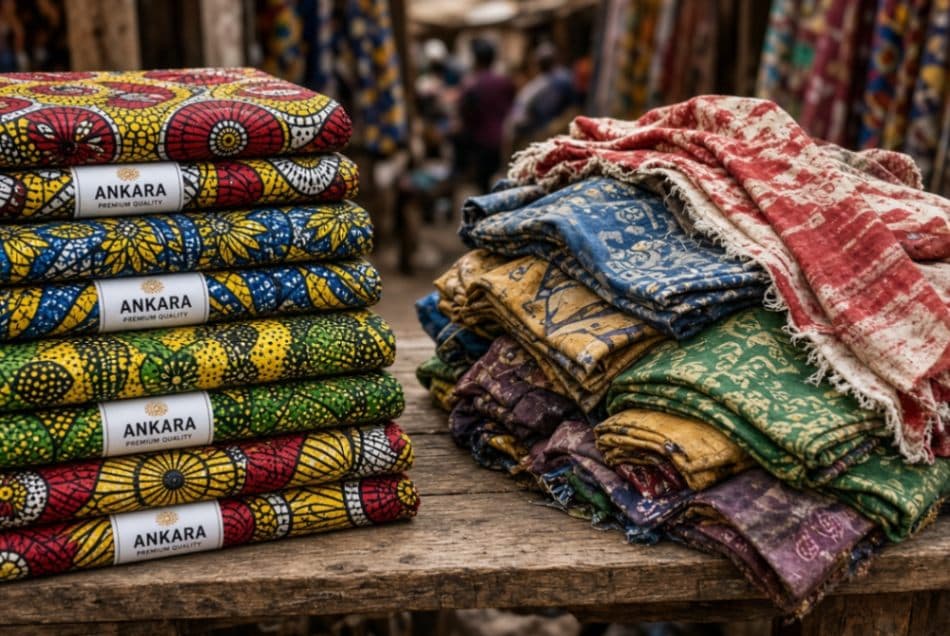
Secondhand Ankara can be a practical buy when the fabric is genuinely unused, lightly used, or resold in near-new condition, but the value depends on print quality, condition, smell, fading, and how clearly the seller describes it. In Nigeria, the safest approach is to compare cost, fabric condition, and seller transparency before buying any secondhand Ankara fabric.
In everyday Nigerian buying language, “secondhand Ankara” can mean different things. Sometimes it refers to leftover cut lengths, pre-owned fabric from wardrobe declutters, or fabric that was bought for tailoring but never used. Other times, it may simply be a secondhand listing where the seller is not very specific, which is why clear descriptions matter.
For practical shopping, I separate Ankara into three groups:
That difference matters because secondhand value depends less on the label and more on actual condition and disclosure. Nigerian e-commerce guidance requires clear product information, and used goods should be clearly identified as second-hand or used Federal Competition & Consumer Protection Commission.
New Ankara is often easier to compare by yard or six-yard bundle because shop pricing is more standardized. Lagos fabric listings show common ranges such as ₦3,500 to ₦7,000 for standard quality Ankara, ₦7,000 to ₦10,000 for mid-range fabric, and ₦12,000+ for premium wax prints such as Vlisco or ABC Wax at authorised stockists.
Secondhand Ankara can be priced lower, especially when it is:
The value question is not only “Is it cheaper?” but also “How much usable fabric am I actually getting?” A low-priced piece with stains, fading, or missing length can end up costing more per usable yard than a clean new bundle.
Have something to give away or sell?
Post your first listing — it only takes a couple of minutes.
| Factor | New Ankara | Secondhand Ankara |
|---|---|---|
| Upfront price | Usually higher | Often lower |
| Condition certainty | Higher | Depends on seller disclosure |
| Colour consistency | Usually even | May show fading or wear |
| Pattern matching | Easier | Can be harder if piece is cut or incomplete |
| Waste risk | Lower | Higher if fabric is damaged |
| Resale potential | Good if quality is strong | Good only if condition is excellent |
Ankara quality is not only about whether it is “new” or “used.” Print sharpness, fabric weight, colour fastness, and finish all affect how it behaves after sewing. In Lagos fabric markets, a common authenticity check is to hold the fabric to light and compare how visible the print appears on both sides; some genuine wax prints show clearer colour consistency and a firmer feel.
Useful checks include:
If a seller cannot explain what kind of fabric it is, that weakens the buying decision. Nigerian consumer rules emphasize clear descriptions, visible pricing in naira, and disclosure when an item is second-hand or rebuilt.
Used Ankara can work well in a few practical situations:
This is especially useful for students, thrift shoppers, and people who enjoy creative tailoring. A secondhand piece can still deliver strong style value if the colour is intact and the fabric is clean, because Ankara often holds visual appeal even when bought pre-owned.
Used Ankara tends to make less sense when the fabric is:
New Ankara is easier to evaluate because the fabric has not been washed, altered, or worn. That reduces surprises around length, smell, shrinkage, and wear marks. If you are planning a fitted outfit, aso-ebi-style group wear, or matching sets that need consistent colour across multiple people, new fabric usually gives more predictable results.
New fabric also helps when:
For buyers who value uniformity more than savings, the extra certainty can be useful. That said, the higher price does not automatically mean better fabric; some new prints are decorative but thin, so inspection still matters.
Use this quick checklist before paying for secondhand Ankara fabric:
Nigeria’s consumer protection framework and e-commerce guidance emphasize transparency, price disclosure, and clear terms before payment. That matters even more in peer-to-peer fashion trading, where product condition can vary widely from one listing to another.
Secondhand fashion trading works best when the listing is specific and the transaction is traceable. In Nigeria, online merchant guidance also says goods that are used should be clearly described as second-hand or used, not presented like brand new items. That reduces confusion and helps buyers compare fairly.
Practical safety habits include:
Digital consumer protection guidance also encourages strong passwords, caution with suspicious links, and double-checking seller information before transfers. For online shopping, that habit is useful even when the item is “just fabric,” because fraud often starts with low-cost listings that look harmless.
Buying secondhand Ankara can reduce textile waste by extending the life of fabric that is still usable. That fits circular fashion thinking, where clothes and materials stay in use longer instead of being discarded early. In Nigeria and across Africa, that matters because fashion consumption is high, tailoring is common, and many outfits are made for specific events rather than long-term everyday wear.
From a style angle, secondhand Ankara can also create more unique outfits. Older prints, rare colour combinations, and leftover lengths sometimes offer patterns that are harder to find in current retail stock. For someone who likes individuality, that can be a real advantage over mass-market new fabric.
Here is a practical way to think about value in the Nigerian market:
| Type of Ankara | Typical use case | Value signal |
|---|---|---|
| New standard Ankara | Everyday sewing, casual wear | Good when price and feel match |
| New premium wax print | Events, statement pieces | Good when colour and finish are strong |
| Unused secondhand Ankara | Budget tailoring, resale stock | Strong value if length is complete |
| Used Ankara fabric | Craft, patchwork, accessories | Good only if condition is clean and usable |
A sensible buying decision comes from matching the fabric to the project. A used piece can be a smart purchase for accessories or small garments, while a new bundle may be more practical for a full outfit that needs symmetry and consistency.
A student buying fabric for a simple skirt may find an unused secondhand Ankara piece useful if the print is clean and the length is enough for the pattern. A tailor making matching family outfits may prefer new fabric because colour consistency matters more than price. A creator making bags, headbands, or patchwork items can often use secondhand Ankara efficiently because small cuts still hold strong visual appeal.
These examples show the real difference: the value is not fixed by “new” or “used,” but by purpose, condition, and transparency.
If you are listing or browsing secondhand Ankara on Threddo, clear photos, exact fabric length, and honest condition notes make the process much smoother for both sides. A simple listing with category, size, and condition can help buyers compare options faster while keeping the trade transparent.
Secondhand Ankara is worth buying when the fabric is clean, clearly described, and priced according to its real condition, not just its label. New Ankara gives more certainty, while used Ankara can deliver better value for low-cost, creative, or smaller sewing projects if the buyer checks quality carefully. This article is for educational purposes only and does not constitute professional advice. Always follow safe trading practices and use your own judgement.