T
Loading…
Loading…
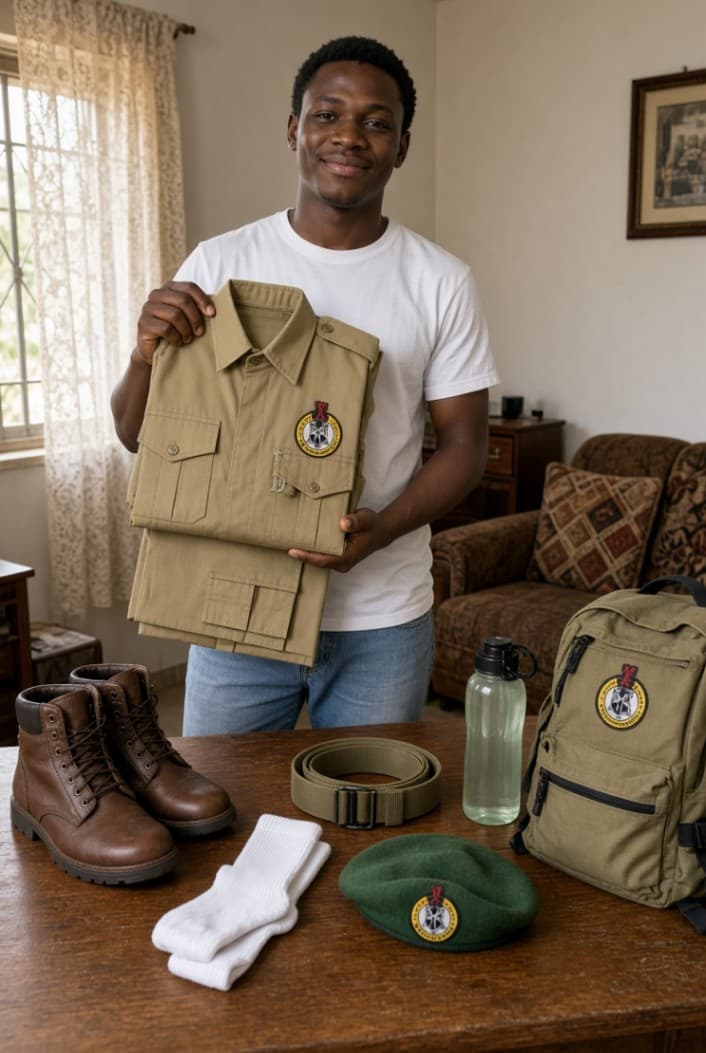
After completing NYSC, it is natural to look at your khaki trousers, white T-shirts, boots, socks, plain clothes, and camp items and wonder what can be sold, donated, reused, or stored. The important first step is separating official NYSC uniform or kit items from ordinary personal clothing.
Selling a regular shirt, trouser, shoe, bag, or accessory that you purchased yourself is generally a normal secondhand transaction. Official NYSC-branded uniform items require greater caution because Nigerian NYSC rules restrict unauthorised use of the uniform, and the NYSC bye-laws also address responsibility for issued kit items. [Read about the NYSC bye-laws or the NYSC Decree.]
This guide explains how to sort your belongings after service, price ordinary clothes in naira, write an accurate listing, protect your privacy, and choose safer alternatives where an item should not be resold.
The phrase “sell NYSC kit after service” can refer to two different things:
This distinction matters. Section 14 of the NYSC Decree states that a person who is not serving in the Corps, and is not authorised to do so, may not wear the NYSC uniform or any part of it. The published text describes a fine or imprisonment on conviction, although the official law should be checked for the current applicable position before acting on any transaction.
The NYSC bye-laws also include rules concerning kit. The published bye-law material says Corps members should not lose kit items and may be liable for the equivalent current replacement price where an item is lost.
| Item | Typical status | Safer handling |
|---|---|---|
| NYSC khaki jacket or trousers | Official uniform item | Do not list for ordinary resale without confirming current NYSC rules. |
| NYSC-branded white vest or T-shirt | Official or branded service item | Avoid promoting it as everyday fashion or a costume. Confirm its status first. |
| NYSC boots | May form part of official kit |
Have something to give away or sell?
Post your first listing — it only takes a couple of minutes.
| Check whether the pair was issued and whether any return or kit obligation applies. |
| Plain white T-shirt bought personally | Ordinary clothing | May be cleaned, photographed, priced, sold, or donated. |
| Plain black trousers or jeans | Personal clothing | May be resold if in acceptable condition. |
| Backpack without NYSC branding | Personal accessory | May be listed as a normal secondhand bag. |
| Camp bedsheet, towel, toiletries bag | Usually personal property, depending on source | Describe ownership and condition accurately. |
| CDS or workplace clothing with logos | Depends on the organisation and branding | Remove personal information and check whether the logo or garment belongs to an organisation. |
The safest approach is not to assume that every item received, bought, or worn during NYSC has the same resale status. If an item was officially issued, branded, numbered, or connected to your service identity, pause before listing it.
After removing official uniform pieces from consideration, many post-NYSC items can still enter the secondhand market.
Examples include:
A listing becomes easier for buyers to evaluate when it separates “worn during NYSC” from “official NYSC kit.” For example, “black canvas sneakers worn during service, size 41” is clearer than “NYSC shoes for sale.”
Do not describe a personal item as “official NYSC kit” merely because you used it during service. Also avoid claiming that a uniform item is approved for use by serving Corps members unless you have reliable confirmation from NYSC.
There are several options for official NYSC items, depending on the item and the instructions attached to it.
Review:
The NYSC website publishes its bye-laws and related materials, including rules on uniforms and kit.
Where resale is unclear, possible alternatives include:
Do not hand an official uniform to someone who intends to impersonate a Corps member, gain access to a restricted place, or mislead another person. A low resale price does not remove the safety or legal concern.
Once you have separated official kit, prepare ordinary clothes as you would any secondhand fashion listing.
Check:
A short inspection prevents disagreements later. “Minor fading near the collar” is more useful than “neat top.”
Wash or air items according to their fabric and construction. Dry them fully before packing. Shoes can be brushed, wiped, and aired, while leather or delicate materials may need a suitable cleaning method rather than soaking.
For hair products, state whether the item is new, lightly used, installed, washed, coloured, cut, or altered. Buyers need enough information to understand what they are receiving.
Check pockets, labels, notebooks, name tags, documents, and photographs. NYSC clothing or bags may contain:
The Nigeria Data Protection Act 2023 provides a framework for protecting personal information and applies to personal-data processing in Nigeria. As a practical privacy measure, remove or cover personal details before photographing or handing over an item.
There is no single national price for a used garment. Price depends on brand, fabric, condition, size, demand, location, season, and whether the buyer collects or delivery is required.
The ranges below are planning examples, not official market prices. Check comparable listings in your city before publishing an amount.
| Item type | Clean, usable condition | Better condition or recognised brand |
|---|---|---|
| Plain T-shirt | ₦1,000–₦3,000 | ₦3,000–₦6,000 |
| Shirt or blouse | ₦1,500–₦4,000 | ₦4,000–₦8,000 |
| Jeans or casual trousers | ₦2,500–₦6,000 | ₦6,000–₦12,000 |
| Office dress | ₦3,000–₦8,000 | ₦8,000–₦18,000 |
| Sneakers | ₦5,000–₦15,000 | ₦15,000–₦35,000 |
| Handbag | ₦3,000–₦10,000 | ₦10,000–₦30,000 |
| Plain backpack | ₦2,000–₦7,000 | ₦7,000–₦15,000 |
| Costume jewellery | ₦500–₦3,000 | ₦3,000–₦8,000 |
A simple pricing method is to begin with the item’s current replacement cost, then adjust for condition and age:
If two or three ordinary items are low-value individually, a bundle can reduce messaging and packaging. For example, “three plain shirts, size medium, ₦6,000 for the set” tells buyers what they receive and gives them a clear total.
A useful listing answers the buyer’s basic questions without exaggerated language.
Title: Black canvas sneakers, size 41, good condition
Description:
Black canvas sneakers worn during service and cleaned after use. Size 41. Minor creasing on the front, no broken sole, and laces included. Available for pickup in Ibadan or agreed delivery at the buyer’s cost. Personal item, not official NYSC footwear.
Price: ₦8,000
Condition: Used — good
Location: Ibadan, Oyo State
Photos: Front, back, soles, inner label, and any visible defect
This format is more transparent than “urgent NYSC footwear sale.” It also prevents buyers from confusing ordinary shoes with restricted official kit.
Use daylight where possible and take:
Avoid photographing your NYSC certificate, identity card, state code, home entrance, vehicle number plate, or documents in the background.
Secondhand transactions can involve fake payment alerts, account takeovers, pressure tactics, and unsafe meetups. A simple safety process helps reduce avoidable risk.
The Nigeria Data Protection Commission identifies rights relating to information, access, correction, objection, restriction, and deletion under the data-protection framework. In everyday marketplace use, this supports a cautious approach: share only the information needed to complete the transaction and avoid publishing personal documents.
Use four piles rather than placing everything online at once.
| Pile | Examples | Next step |
|---|---|---|
| Confirm before sale | Official khaki, NYSC-branded shirts, issued boots | Check NYSC instructions or ask the relevant office. |
| Ready to sell | Plain jeans, shirts, shoes, bags, accessories | Clean, photograph, describe, and price. |
| Ready to donate | Wearable but low-value clothing | Give through a trusted person or organisation. |
| Textile recovery or disposal | Torn, mouldy, severely stained items | Look for textile reuse options; avoid open burning. |
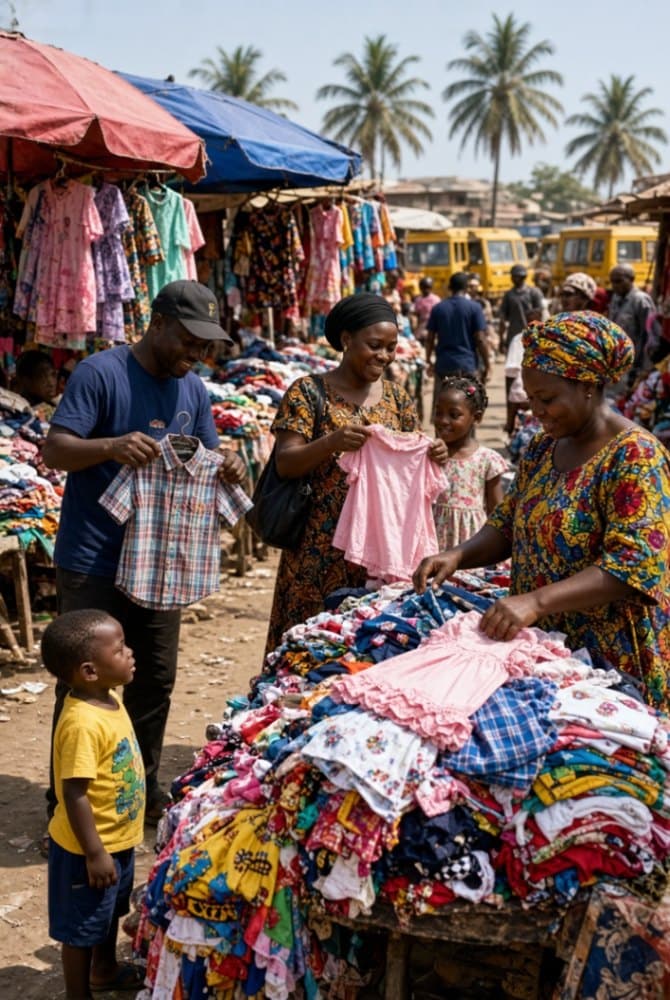
Nigeria’s secondhand clothing economy gives wearable items another use, but poor-quality textiles can become waste when they are dumped or burned. Research on circularity in Nigeria has linked secondhand clothing flows with landfill, open burning, waterway pollution, and textile waste challenges. Selling only items that are honestly wearable—and directing unusable pieces to appropriate reuse or waste channels—supports a more responsible transaction.
Imagine a former Corps member has:
A sensible sorting result could look like this:
The description should not imply that the entire group is an NYSC-approved resale kit. Accurate item-by-item wording protects both parties from misunderstanding.
If you are listing ordinary post-service clothes, Threddo provides a WhatsApp-first marketplace for secondhand clothing, shoes, bags, jewellery, hair, and accessories in Nigeria. You can use its safety guidance and list only items you are permitted to sell; official NYSC items should still be checked against NYSC rules before publication.
Whether you use Threddo, a community group, or another marketplace, retain the same habits: describe the item accurately, remove personal information, verify payments independently, and choose a public handover arrangement.
Selling clothes after NYSC can be a practical way to keep ordinary garments in use, but “sell NYSC kit after service” requires a careful distinction between personal clothing and official uniform items. Plain shirts, jeans, bags, shoes, jewellery, hair, and accessories can be sorted, cleaned, priced in naira, and listed with honest photographs, while official NYSC-branded or issued items require confirmation of current rules before resale. This article is for educational purposes only and does not constitute professional advice. Always follow safe trading practices and use your own judgement.