T
Loading…
Loading…
Last Updated: September 2026
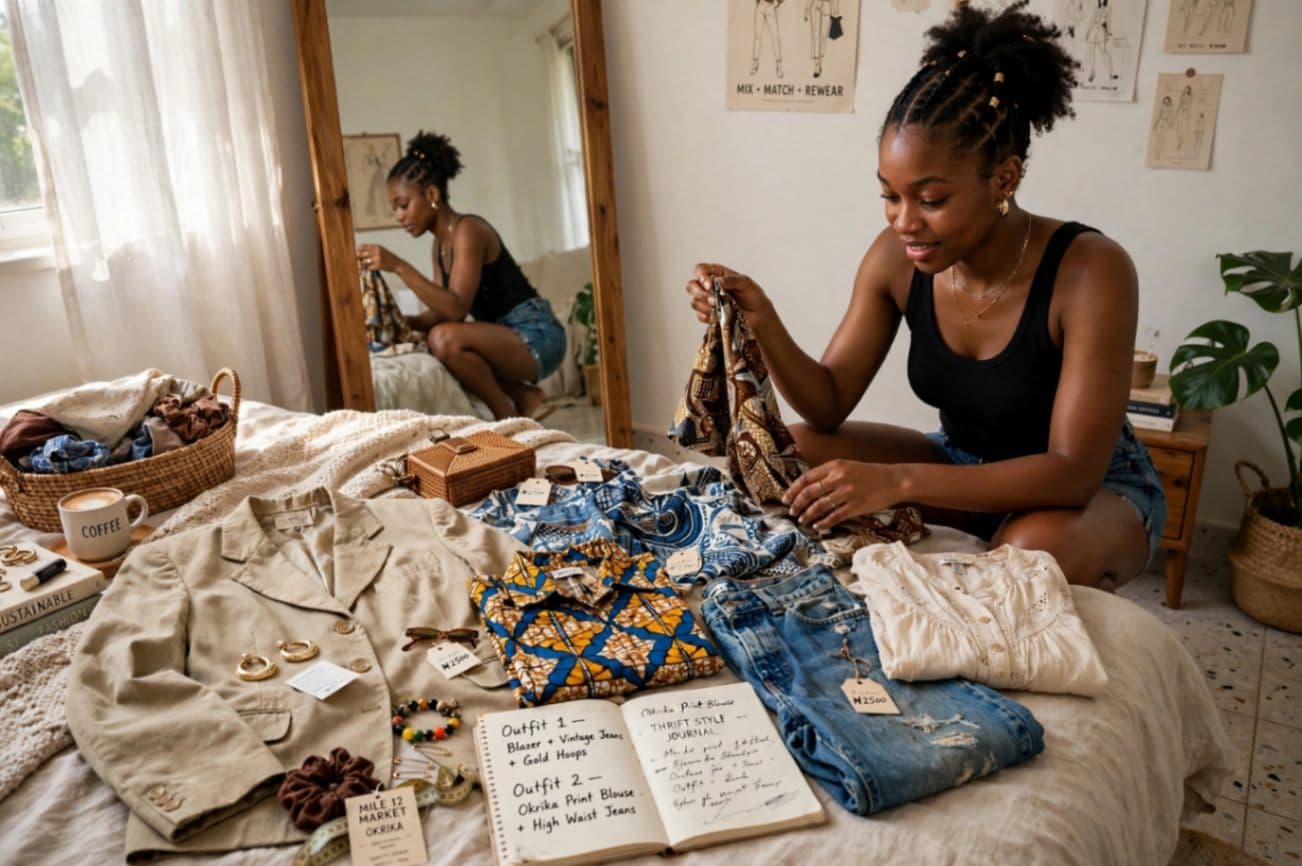
Thrift styling is less about owning more clothes and more about combining pieces in ways that feel fresh, intentional, and easy to wear. When you learn how to style thrift clothes, a few good items can create many outfits without looking repetitive.
The easiest thrift outfits begin with clothing that works in more than one setting. I like to think in layers: one neutral base, one statement piece, and one accessory that changes the mood. This approach helps you build outfits from what you already have instead of waiting for a “perfect” new item.
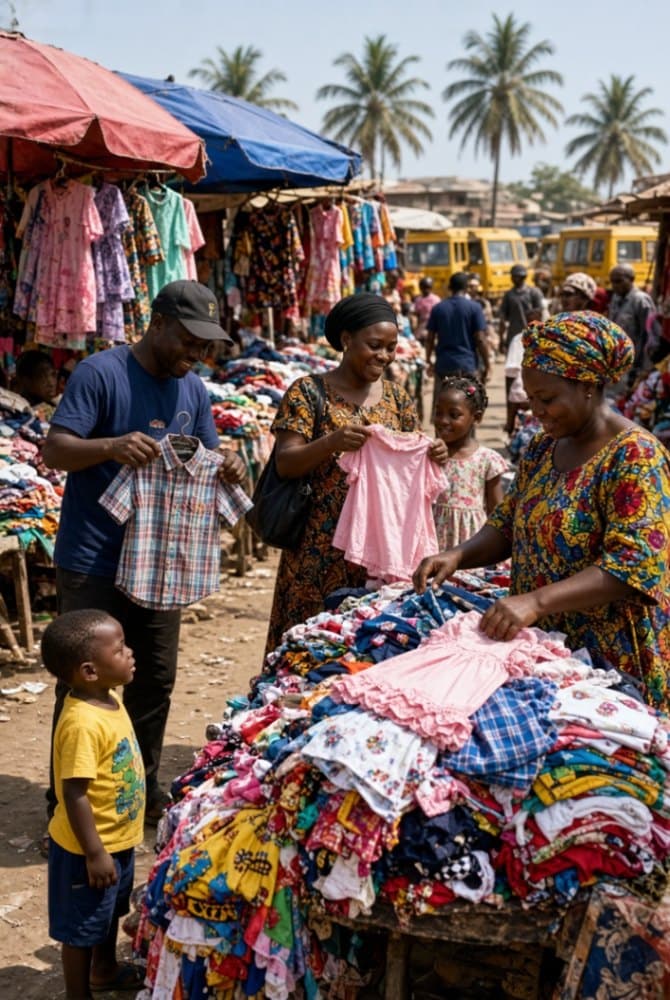
A secondhand wardrobe also fits well with the circular fashion market, where clothes get reused instead of discarded. Research on second-hand clothing shows that the trade is a major part of global resale and circular fashion, while also raising important sustainability questions for African markets.
A useful rule is to pick pieces that can move between at least three outfits. That way, one skirt can work with sneakers, sandals, and heels without looking out of place.
The fastest way to make thrift clothes look intentional is to combine contrast. Pair loose with fitted, casual with polished, or plain with patterned. This creates shape and stops the outfit from looking random.
Here is a simple outfit formula I use often:
For example, a plain white thrift shirt can work with cargo trousers, a bright scarf, and loafers for a cleaner look. The same shirt can also sit under a slip dress for a softer, more feminine style.
Have something to give away or sell?
Post your first listing — it only takes a couple of minutes.
These formulas are practical because they rely on balance, not expensive items. They also help when you are shopping in a Lagos thrift market and want to imagine how one piece will fit into your current wardrobe.
Color matching becomes easier when you treat thrift clothing like building blocks. Neutral tones give you flexibility, while one strong color can make the whole outfit feel planned. If you are unsure, start with two colors plus one neutral.
The simplest combinations are often the most wearable:
Pattern mixing can also work well when one pattern is small and the other is larger. For example, a striped shirt with a plain skirt looks calmer than two loud prints fighting for attention. If both pieces are patterned, repeat one color across the outfit so they feel connected.
Thrift styling gets much easier when the fit looks deliberate. Even inexpensive clothes can look polished if the shoulders sit well, the hemline feels clean, and the proportions make sense. A slightly oversized blazer can look sharp, but a blazer that hangs awkwardly can make the whole outfit feel unfinished.
When I style thrift pieces, I look at three fit points:
Small adjustments can change how the outfit reads. Rolling sleeves, tucking in a shirt, cuffing jeans, or cropping a long top with a front knot can make the same piece feel brand new.
Different thrift items need different styling tricks. Once you know what each category does well, it becomes easier to mix pieces without overthinking.
| Thrift piece | Easy styling move | Result |
|---|---|---|
| Oversized shirt | Half-tuck into trousers | Cleaner shape |
| Denim jacket | Layer over dress or tee | Casual structure |
| Midi skirt | Pair with fitted top | Balanced silhouette |
| Wide-leg trousers | Add cropped or tucked top | Longer-looking frame |
| Blazer | Wear over a plain tee | More polished outfit |
| Vintage dress | Add modern shoes or bag | Fresh contrast |
Shoes and bags matter more than many people think. A simple thrift dress can look completely different with white sneakers, low heels, or a structured handbag. That is one reason secondhand fashion feels versatile: the same clothing item can change depending on styling details and accessories.
Accessories turn thrift outfits from basic to finished. I focus on one or two items instead of adding too many at once. That keeps the outfit readable and avoids visual clutter.
Useful accessories include:
If your outfit already has a strong print, keep the accessories calm. If your clothes are plain, a bold bag, necklace, or headwrap can provide the interest.
These examples show how one thrift item can become several looks.
These combinations are useful because they stretch one piece across different settings. In practice, that means more outfit variety without needing a full new wardrobe.
Before buying a thrift item, I check a few things that make styling easier later.
For secondhand buying in Nigeria, it also helps to inspect seams, zippers, stains, and odors carefully. Nigerian consumer protection principles generally emphasize fair dealing, accurate descriptions, and product quality, so clear item condition matters in any resale or peer-to-peer exchange.
The same thrift item can work in many places if you change the styling details. This is useful for students, office workers, content creators, and anyone who wants more use from fewer clothes.
Thrift shopping often works because it allows flexible spending across many fashion categories. Pricing can vary by location, quality, brand, and how rare the item is, so the ranges below are general guideposts rather than fixed rates.
| Item type | Common thrift range |
|---|---|
| T-shirts | ₦1,000–₦5,000 |
| Shirts | ₦1,500–₦8,000 |
| Jeans | ₦3,000–₦12,000 |
| Dresses | ₦2,500–₦15,000 |
| Blazers | ₦4,000–₦20,000 |
| Shoes | ₦3,000–₦18,000 |
| Bags | ₦3,000–₦25,000 |
In many markets, prices depend on condition and source, and pre-owned fashion continues to gain attention because it gives shoppers a lower-cost route into style variety.
One practical method is the three-word check:
Structure means the outfit has at least one piece that gives shape, like a blazer or belt. Balance means loose items are paired with fitted ones. Repeat means one color, texture, or accessory appears more than once so the outfit feels connected.
For example, a cream shirt, blue jeans, and brown loafers can be repeated with a brown belt and a tan bag. That small repetition makes the look feel intentional without being complicated.
Thrifting supports reuse, and reuse is one reason secondhand fashion stays central in circular economy discussions. At the same time, research shows the global second-hand clothing system also has environmental and trade challenges, especially for African markets that receive large volumes of imported used clothing.
For everyday style, that means your role is simple: buy with purpose, wear items repeatedly, and keep garments in use for as long as they remain functional. Care, repair, and re-styling all help extend the life of each piece.
On Threddo, you can browse or post secondhand clothing, shoes, bags, jewellery, hair, and accessories, which makes it easier to find pieces that match your own styling ideas without paying platform fees or using in-app checkout.
Mixing and matching thrift pieces becomes easier when you start with versatile basics, balance loose and fitted shapes, and use accessories to change the mood. The most useful thrift wardrobes are not the biggest ones; they are the ones that can create several clean outfits from a few well-chosen items. This article is for educational purposes only and does not constitute professional advice. Always follow safe trading practices and use your own judgement.