T
Loading…
Loading…
Buying and selling secondhand clothes can be affordable, convenient, and useful in Nigeria—but direct trading requires careful communication. Whether you are purchasing a pair of shoes in Jos, listing a dress in Lagos, or giving away children’s clothes in Abuja, simple checks can reduce misunderstandings, fake-payment claims, stolen-account scams, and unsafe meetups.
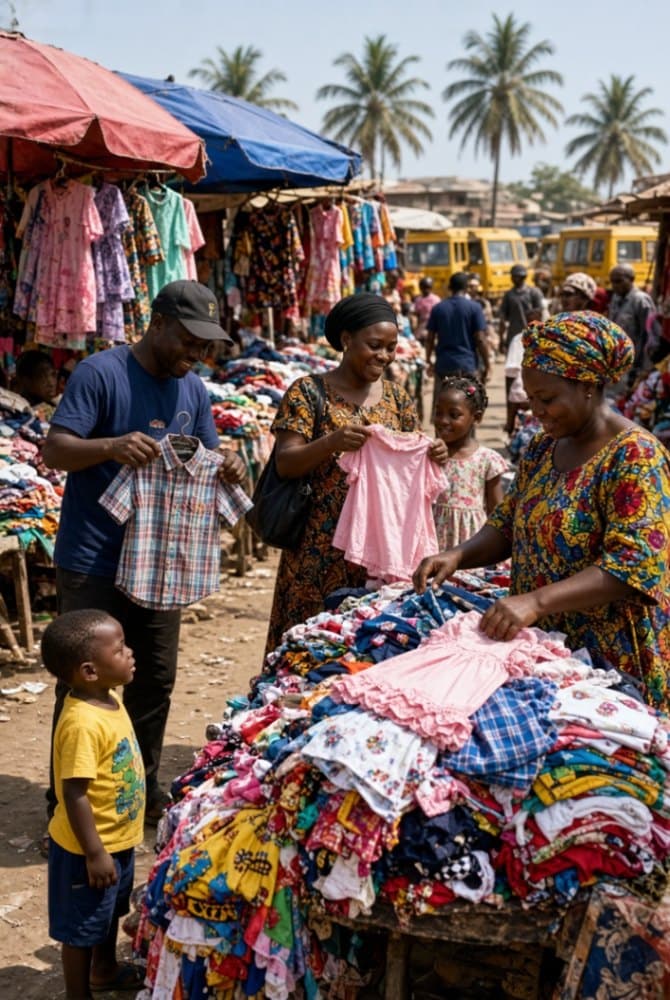
Nigeria’s thrift market includes “okrika,” “bend-down-select,” fairly used clothing, vintage pieces, preloved fashion, and items passed between family members. Secondhand clothing also supports reuse, repairs, donations, and longer garment life. However, sustainability benefits are reduced when unusable garments are discarded without appropriate waste systems, a concern identified in research on Africa’s secondhand clothing trade.
This guide explains practical safety habits for using Threddo’s WhatsApp-first marketplace, where buyers and sellers contact each other directly. It does not replace personal judgement, and no marketplace can remove every risk from a private transaction.
Threddo is designed for direct communication between people buying, selling, or giving away secondhand clothing, shoes, bags, jewellery, hair, and accessories. The marketplace does not require in-app payments, so the parties agree independently on the item, price, collection or delivery method, and payment arrangement.
That flexibility makes accurate communication important. Before agreeing to a transaction, clarify:
A clear conversation creates a written record and helps both sides identify disagreements before money or goods change hands.
Read the listing carefully instead of relying only on photographs. A safe buying process begins with enough information to decide whether the item matches your needs.
Check for:
Have something to give away or sell?
Post your first listing — it only takes a couple of minutes.
Ask the seller for additional photographs when important details are hidden. Useful requests include a close-up of the label, sole, zip, lining, stitching, serial marking where applicable, and any area that appears damaged.
A low listed price may not be the final amount. Ask for a complete cost breakdown before making payment.
| Cost item | Question to ask |
|---|---|
| Item price | Is the advertised price still available? |
| Delivery | Is dispatch included or charged separately? |
| Transport | Who pays the rider, bus, or logistics fee? |
| Packaging | Is there an additional packaging charge? |
| Inspection or fitting | Can the item be checked before acceptance? |
| Refund or exchange | What arrangement applies if the item is materially different? |
Avoid sending money because someone claims that another buyer is waiting, a discount expires immediately, or a “verification fee” is required without a clear explanation. Pressure reduces the time available for checking details.
A screenshot, SMS, or forwarded bank alert is not proof that money has entered your account. Where a transaction involves payment, verify the credit through the relevant bank or financial-service account before releasing the item.
Buyers can also encounter fake payment links, impersonated customer-care accounts, or requests for one-time passwords. Do not share your banking PIN, card PIN, online-banking password, authentication code, or WhatsApp verification code with a buyer, seller, courier, or supposed platform representative.
The Nigeria Data Protection Act 2023 establishes a framework for protecting personal data, which is relevant when marketplace users exchange names, phone numbers, addresses, and delivery details. Share only the information needed to complete the transaction.
Accurate listings protect your reputation and reduce disputes. Use your own photographs in good lighting and show the front, back, label, interior, sole, fastening, and any defect that could affect a buyer’s decision.
A useful description includes:
Avoid descriptions such as “perfect condition” when an item has visible damage. Phrases such as “minor peeling on the strap” or “small mark near the hem” are more precise and allow the buyer to make an informed decision.
Most unusual messages do not automatically prove fraud, but they warrant additional caution. Warning signs include:
Keep conversations within the original contact channel where possible. If a person claims to represent Threddo, verify the identity using the platform’s official contact route rather than replying to an unverified number.
Save the listing, photographs, messages, payment confirmation, dispatch details, and delivery evidence. These records can help clarify what was agreed if a dispute arises.
For higher-value items, write a short confirmation such as:
“Confirmed: black size 40 leather shoes, visible sole wear shown in photos, price ₦25,000, collection in [area], buyer to inspect before acceptance.”
The message does not guarantee a dispute-free transaction, but it reduces ambiguity.
WhatsApp is convenient for direct trading, but an account can be compromised or impersonated. Treat unexpected requests for login codes as a security concern. WhatsApp’s own security guidance commonly emphasises protecting verification codes and enabling additional account protection.
Practical habits include:
A seller does not need your bank login to receive payment, and a buyer does not need your WhatsApp code to reserve a dress.
A public collection point is generally easier to manage than a private residence, especially for a first transaction. Suitable locations can include a busy shopping area, established market, café, workplace reception, school-area meeting point, or other place with people and visible activity.
Before meeting:
For large items or multiple purchases, consider bringing another adult or using a recognised delivery service with clear tracking and fee terms. Do not allow urgency to override personal safety.
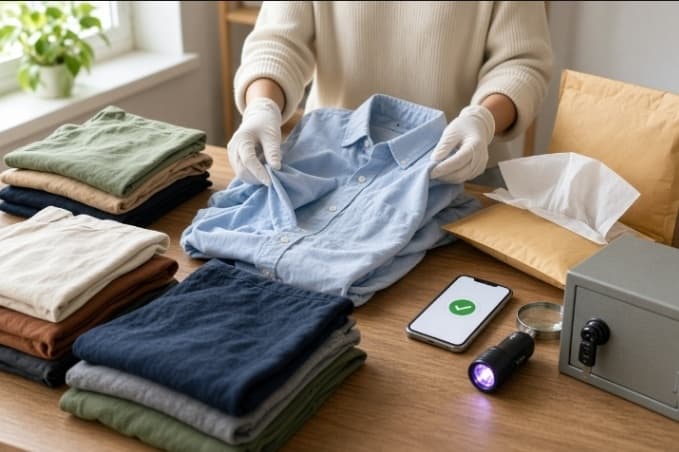
A physical inspection can reveal issues photographs do not show. Buyers can use the following checklist before accepting an item.
If inspection is not possible before dispatch, request detailed photographs and clarify what happens if the item is substantially different from the description.
Delivery introduces another set of risks because the buyer and seller may not meet. Confirm the rider or logistics provider, delivery fee, destination, expected timing, and handover process before dispatch.
For sellers:
For buyers:
Neither party should share unnecessary personal information with a courier. A delivery location can often be a public landmark or controlled collection point rather than a full residential address.
| Scam pattern | How it works | Safer response |
|---|---|---|
| Fake payment alert | A fraudster sends a screenshot or edited bank alert. | Confirm the credit in your own account. |
| Overpayment scam | A buyer “pays extra” and asks for a refund before funds are verified. | Wait for confirmed funds and avoid refunding unverified money. |
| Verification-code theft | Someone requests a WhatsApp or bank authentication code. | Do not share any code. End the conversation. |
| Fake support account | An impersonator claims to be marketplace staff. | Verify through the official platform contact route. |
| Courier-fee fraud | A person demands a fee through an unfamiliar link. | Confirm the logistics provider and fee independently. |
| Counterfeit or misleading listing | Photos or descriptions conceal a replica, defect, or different item. | Request original photographs and inspect before acceptance. |
| Account impersonation | A scammer copies a seller’s images or uses a similar name. | Confirm identity, location, item details, and communication history. |
| Urgency pressure | The person creates artificial scarcity to stop you checking. | Pause the transaction until key details are clear. |
Fraud prevention guidance from Nigerian consumer-protection institutions consistently supports careful verification, retaining transaction evidence, and reporting deceptive practices through appropriate channels. The former Consumer Protection Council was succeeded by the Federal Competition and Consumer Protection Commission under Nigeria’s consumer-protection framework; its work covers consumer rights and unfair business practices.
A disagreement does not always mean that someone acted dishonestly. Common causes include unclear measurements, overlooked defects, delivery damage, delayed payment confirmation, and different expectations about “fairly used” condition.
A calm dispute process can follow these steps:
Do not publish another person’s private address, identity document, bank details, or phone number as a form of retaliation. Public accusations can create additional privacy and safety problems.
For suspected criminal fraud, threats, extortion, or identity theft, preserve evidence and contact the appropriate Nigerian law-enforcement or consumer-protection channel. This article does not provide legal advice or determine whether a particular transaction violates Nigerian law.
Donated clothes and accessories also need clear arrangements. A “free” item can still create delivery costs, privacy risks, and misunderstandings.
Donation listings can state:
Avoid sharing sensitive personal circumstances publicly. If a donation involves children’s items, keep communication focused on collection details and avoid publishing unnecessary information about a child.
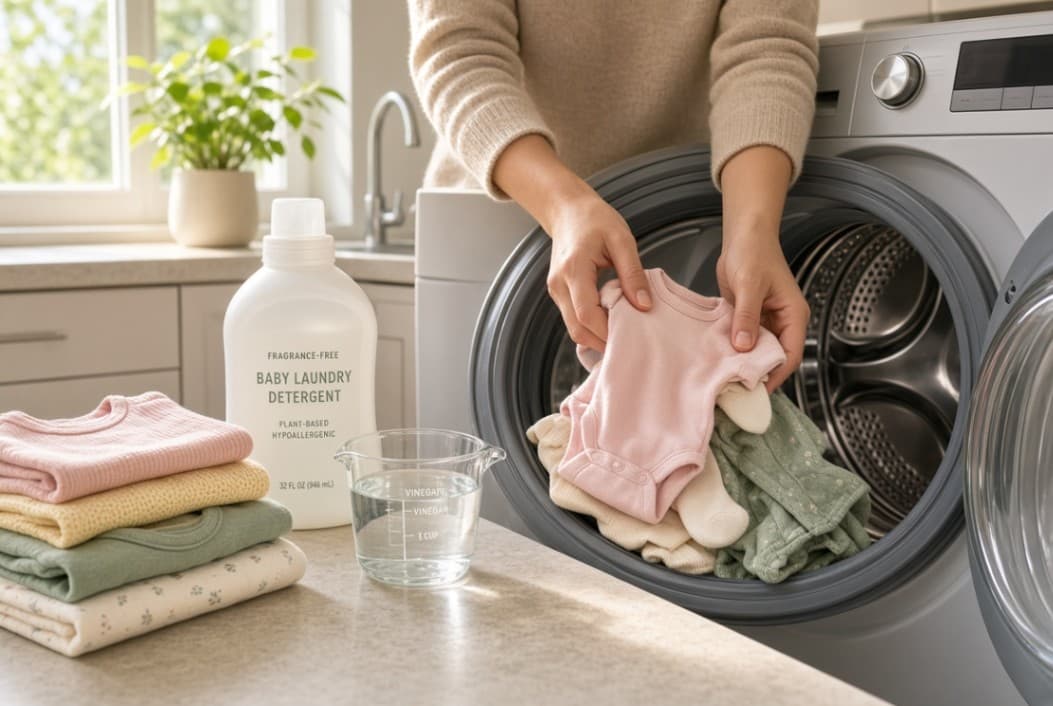
Safe secondhand trading also supports more responsible use of clothing. Before listing an item, check whether it is wearable, repairable, washable, or suitable for donation. Items with serious mould, contamination, structural damage, or unusable fabric may not be appropriate for ordinary resale or donation.
Simple practices include:
Nigeria is a major West African destination for secondhand clothing, and studies have noted both the economic importance and waste-management challenges associated with the trade. Accurate listings and responsible handover help extend the useful life of garments without hiding disposal problems.
When creating a listing on Threddo, include clear photographs, an honest condition description, the ₦ price or donation status, your general location, and the preferred handover method. Before completing a trade, review Threddo’s Safety Guide and browse relevant listings with the same checks described above.
Direct buyer-seller contact keeps transactions simple, but it also means each person needs to verify details independently. No payment screenshot, profile photo, urgent message, or claimed delivery arrangement replaces confirmation through your own account and personal safety planning.
Buying and selling secondhand clothes safely in Nigeria depends on clear listings, careful payment verification, privacy protection, public meetups, honest condition reports, and preserved transaction records. These habits apply to clothing, shoes, bags, jewellery, hair, accessories, and free donations, whether the exchange happens in Jos, Abuja, Lagos, Port Harcourt, or another Nigerian community.
This article is for educational purposes only and does not constitute professional advice. Always follow safe trading practices and use your own judgement.
Last Updated: August 2026