T
Loading…
Loading…
Last Updated: September 2026
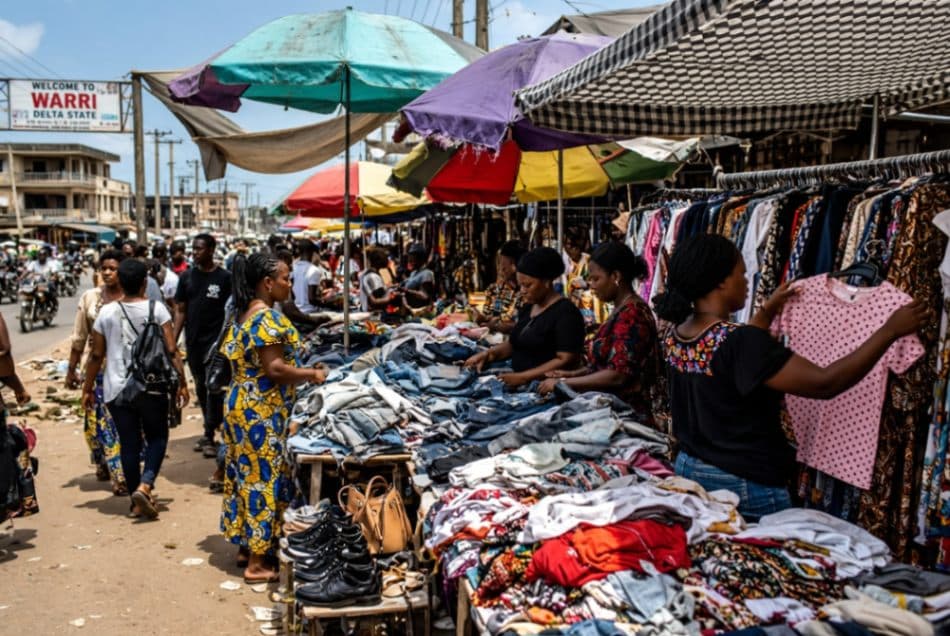
Warri is one of the strongest thrift-shopping hubs in Delta State because its markets serve students, workers, traders, and families looking for affordable secondhand fashion. In practice, thrift shopping here works best when you know where to look, how to inspect items, and how to compare prices across stalls and online listings. The Federal Competition and Consumer Protection Act gives consumers rights to accurate information and the return of defective goods.
The phrase thrift market Warri usually points to people searching for clothing, shoes, bags, and accessories at lower prices, plus local places where buying is fast and negotiable. In Delta State, that usually means a mix of open markets, roadside sellers, wholesale thrift stalls, and WhatsApp-first listings from sellers who post their items with location and price.
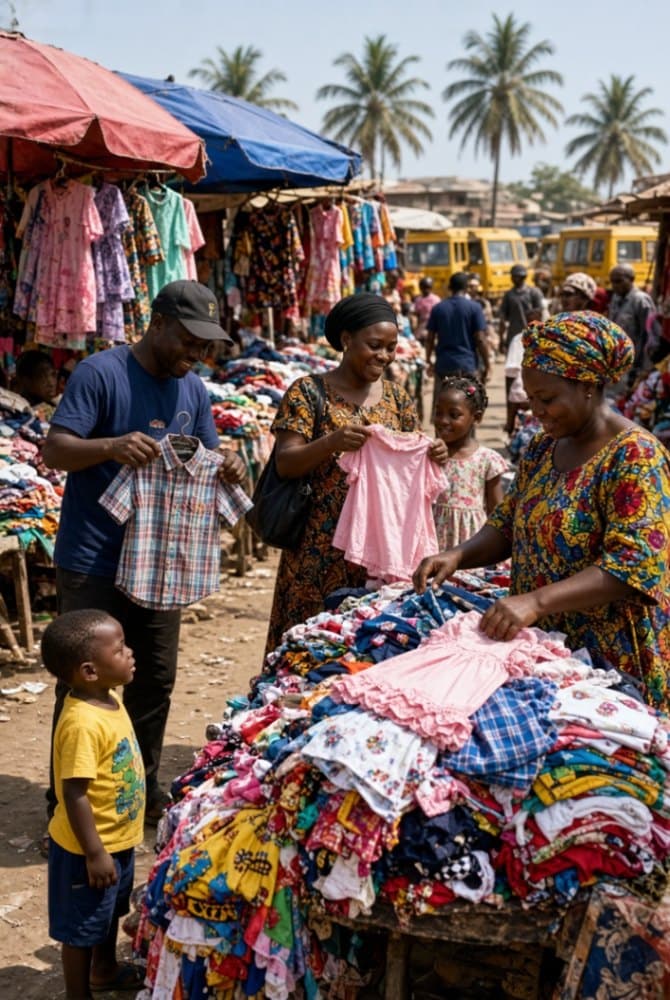
Warri’s market culture makes secondhand buying practical because sellers often stock a wide mix of casual wear, office wear, children’s items, shoes, and accessories in one place. Reports on Warri markets identify Maciver Market, Igbudu Market, Ibo Market, Main Market, and Effurun Market as important clothing and secondhand trading spots, with Maciver often described as a major secondhand clothing market.
That matters for buyers because you can compare style, condition, and price without moving far. It also helps if you are looking for school wear, church wear, office clothes, or weekend outfits on a tighter budget. Warri’s market network gives you both low-cost finds and more curated options depending on the area and the seller.
A simple way to think about Warri thrift shopping is by market type rather than only by market name. Some places are better for bulk rummaging, while others are better for fast retail picks, pre-sorted pieces, or mixed fashion accessories.
| Area | What it is known for | Useful for |
|---|---|---|
| Maciver Market | Secondhand clothing trading and broad thrift selection | Bulk browsing, mixed adult wear, everyday pieces |
| Igbudu Market | Major Warri market with broad commerce activity | General fashion, fast market runs |
Have something to give away or sell?
Post your first listing — it only takes a couple of minutes.
| Ibo Market |
| Clothing and shoes, with a cleaner shopping feel |
| Shoes, trousers, shirts, polished finds |
| Main Market | Large, established market area | General search, price comparison |
| Effurun Market | Popular weekly market activity | Bargain days, mixed apparel |
| PTI Road / Uvwie area listings | Frequent thrift ads and market-adjacent sellers | WhatsApp orders, nearby pickup |
In real shopping, you may see items listed with neighbourhood tags like Ugboroke, Refinery Road, Airport Road, Okuokoko, Ugbomoro, or PTI Road. That is common in Warri and Effurun because sellers often use exact location references to make pickup easier.
Secondhand fashion is worth your time when the item has strong fabric, clean seams, usable zips, and minimal wear in high-friction areas. In Warri’s climate, breathable cotton, rayon blends, light denim, and durable sandals often move quickly because they work for heat, commuting, and casual dressing.
A useful inspection routine is to check the item in the same order every time so you do not miss damage. This saves you from buying something that looks good at first glance but fails after one wash or one outing.
Secondhand prices in Warri vary by neighbourhood, season, quality, and whether the seller is retailing one piece or selling in bundles. Online Warri listings show unisex thrift clothing around ₦4,000 and thrift wear examples around ₦6,500 to ₦13,000 depending on style and condition.
These ranges are practical reference points rather than fixed rates, because thrift pricing shifts by seller, product, and location. Use them as a guide when comparing stalls or WhatsApp listings across Warri and Effurun.
| Item type | Typical Warri range |
|---|---|
| Basic tops and T-shirts | ₦1,500–₦5,000 |
| Jeans and trousers | ₦3,500–₦12,000 |
| Bubu gowns / casual dresses | ₦4,000–₦13,000 |
| Shoes | ₦4,000–₦15,000 |
| Small bags and purses | ₦3,000–₦12,000 |
| Costume jewellery | ₦1,000–₦8,000 |
| Wigs / hair items | ₦5,000–₦25,000+ |
When comparing prices, remember that a lower price does not always mean a better deal if the item needs repairs, washing, or replacement parts. The Federal Competition and Consumer Protection Act gives consumers rights to accurate information, disclosure of second-hand goods, examination of goods, and return of defective or unsafe goods in applicable situations.
The strongest habit in any secondhand market is to treat the listing as a claim that needs checking. FCCPC consumer guidance says businesses must give factually accurate information and avoid misleading or deceptive representations, and the Act also recognises consumer rights to fair dealing and proper disclosure of re-conditioned or second-hand goods.
That matters in Warri because many listings are posted on WhatsApp, market pages, and local directories where buyers cannot touch the item first. If a seller only gives polished photos but hides damage, size issues, or missing parts, the listing becomes harder to trust.
Different item types need different checks, and that is especially useful in Warri where fashion sellers often mix clothing, shoes, bags, jewellery, and hair in one stall or one chat. A buyer who knows what to inspect saves time and avoids returns.
For shirts, dresses, trousers, and jackets, focus on stitching, underarm wear, and fabric transparency. In hot-weather cities like Warri, light and breathable clothing usually gets more wear, so faded but sturdy cotton can still be more useful than shiny fabric with poor seams.
Shoes need a sole check first. Press the sole, bend the midfoot, and inspect the heel for uneven wear, because a shoe that looks neat on top can fail quickly underneath.
Look at straps, zip teeth, lining, and corners. Bags often show age at the base and handles before any other place, so those are the first points to inspect.
Check clasps, plating wear, missing stones, and skin-contact points. If the piece is costume jewellery, it may look new in photos but show wear after one or two uses, so close-up images matter more than wide shots.
Hair products need the most caution because some cosmetic and hair-related items can carry safety issues if they contain undeclared or restricted ingredients. NAFDAC has issued warnings on certain hair products and cosmetics, and the agency’s rules restrict adulterated cosmetics and products that may injure users when applied as directed.
Example one: you find a thrift dress on a Warri market page for ₦7,500. The photo looks good, but you ask for neckline, waist, and length measurements before pickup, and you request a close-up of the seams. That is better than relying on the seller’s label alone, because secondhand clothing often varies by brand and country size standard.
Example two: you see a pair of thrift sneakers in Effurun for ₦6,000. The seller shows only the side view, so you ask for the sole, heel, and insole images, then compare them with the posted location and pickup time. That simple extra step helps you avoid worn-out soles that are hard to notice in a filtered photo.
Example three: you are shopping for hair or beauty accessories and the listing includes a product with no clear ingredient list. In that case, the safest approach is to treat the item as unverified until the label is readable, because NAFDAC has warned Nigerians about harmful hair and cosmetic products, including formaldehyde-related risks in some hair smoothing products.
Warri thrift shopping often follows market rhythm rather than mall rhythm. Buyers tend to compare several stalls, ask after “better grade” stock, and return on busy market days when fresh items arrive. That habit fits Delta State’s market culture, where location, trust, and repeated contact matter a lot.
You may also notice that sellers use social channels to move stock quickly, especially when they want local pickup instead of shipping. That is why listings often include exact roads, junctions, or landmarks in Warri and Effurun, making the transaction feel more like a nearby exchange than a distant e-commerce order.
Secondhand fashion supports reuse, which matters in Nigeria because textile waste and low-quality imports can add to landfill pressure, open burning, and drainage problems. A circular-fashion report on Nigeria notes environmental harm from imported second-hand clothing waste, synthetic dyes, and poor disposal practices, while also pointing to reuse, recycling, and upcycling as practical ways to reduce harm.
That does not mean every thrift item is automatically sustainable. The environmental benefit is strongest when items are actually worn again, repaired, sorted properly, and kept in circulation instead of being thrown away after a single use.
A simple way to shop more responsibly is to buy pieces you can wear multiple times, choose repairs over disposal when possible, and avoid impulse purchases that sit unused. In a busy market like Warri, that mindset often matters more than chasing the cheapest item.
If you are listing items or browsing local thrift options, a WhatsApp-first marketplace like Threddo can fit the same practical flow of direct buyer-seller contact and local pickup without adding payment friction.
Thrift shopping in Warri and Delta State works best when you combine market knowledge, careful inspection, and clear communication. The most useful approach is to compare locations like Maciver, Igbudu, Ibo, Main Market, and Effurun, then check condition, measurements, and seller disclosure before buying.
This article is for educational purposes only and does not constitute professional advice. Always follow safe trading practices and use your own judgement.