T
Loading…
Loading…
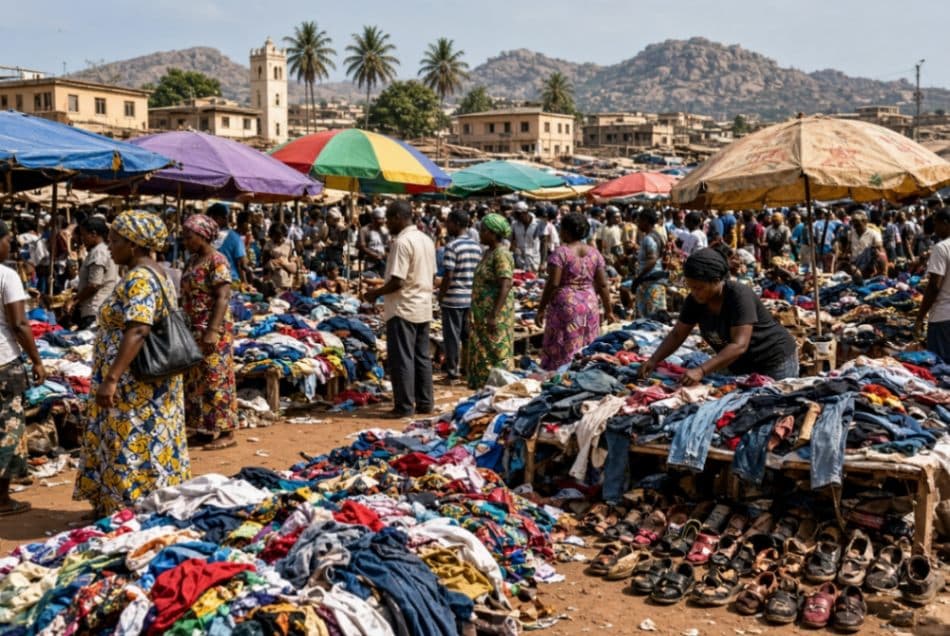
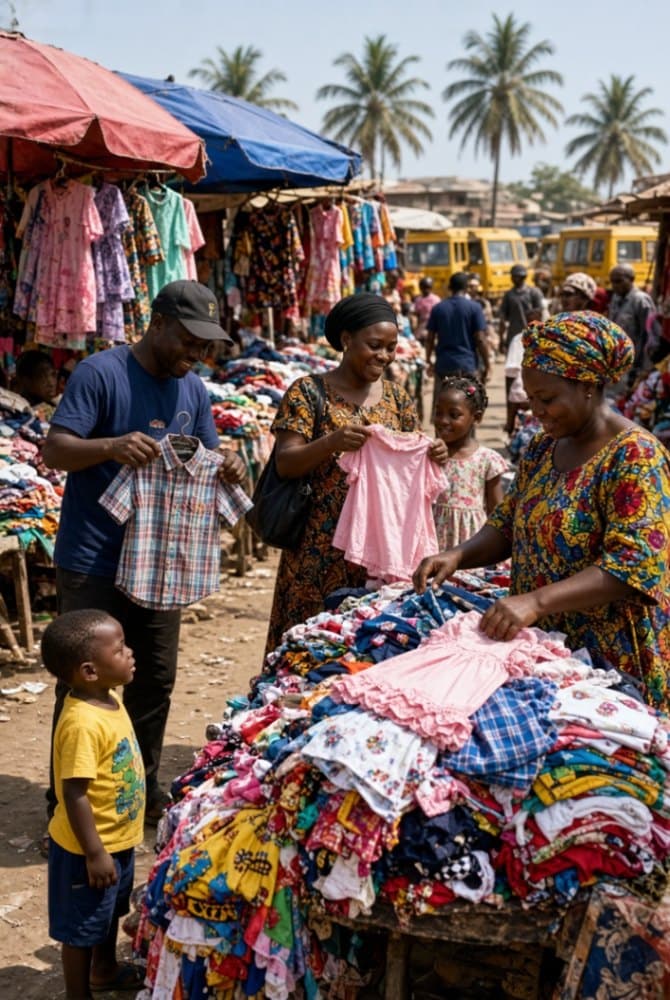
Abeokuta has a strong culture of open-air markets, roadside trading, boutiques, clothing dealers, and informal resale. If you are searching for a thrift market in Abeokuta, you may find secondhand clothes, shoes, bags, jewellery, hair, and accessories in established markets, clothing stalls, temporary market-day clusters, and through local sellers on WhatsApp.
The exact availability of thrift items can vary by day, bale deliveries, weather, festive periods, and the individual seller’s stock. For that reason, a useful Abeokuta thrift-shopping plan combines known commercial areas with local enquiries, careful inspection, and price comparison.
Last Updated: September 2026
Kuto is one of Abeokuta’s major commercial areas and a practical starting point for comparing clothing, footwear, bags, and accessories. Not every stall sells secondhand fashion, so asking traders for okrika, bend-down-select, used clothing, or first-grade thrift can help identify relevant sellers.
The wider Kuto area may also be useful for checking prices across different stalls before buying. Busy periods can make inspection difficult, so arriving earlier may provide more space to examine seams, zips, soles, stains, and labels.
Lafenwa is another busy trading district where clothing and household goods are sold through formal and informal channels. Secondhand fashion may appear among clothing stalls, roadside displays, and traders who receive stock in batches.
When visiting, ask whether a seller has recently opened a bale or received new stock. Newly displayed items can differ substantially from the remaining pieces at the bottom of a pile.
Itoku is widely associated with textile and traditional fashion trading, particularly aso oke, lace, Ankara, and related fabrics. It is not exclusively a thrift market, but shoppers looking for affordable style options may find pre-owned accessories, fashion remnants, used garments, or sellers who can recommend nearby secondhand dealers.
This area is particularly relevant when comparing the cost of a pre-owned outfit with fabric and tailoring. A simple price comparison can include the garment price, alterations, transport, and cleaning.
Abeokuta’s commercial districts are connected by busy transport routes, and small clothing sellers may operate along streets between larger markets. These sellers may not advertise online, and their selection can change quickly.
Have something to give away or sell?
Post your first listing — it only takes a couple of minutes.
Rather than treating one location as a permanent thrift centre, consider this route a discovery zone. Ask several traders about nearby sellers, market days, and whether a particular clothing section has moved.
Some thrift sellers operate from temporary tables, roadside displays, church or community sales, student networks, and social-media groups. These may be particularly useful for children’s clothing, workwear, shoes, and accessories.
Because pop-up trading locations can change, confirm the meeting point and current stock before travelling. A seller’s WhatsApp catalogue or recent video can reduce an unnecessary journey.
| Area or channel | Items that may appear | Practical use |
|---|---|---|
| Kuto area | Clothing, shoes, bags, accessories | Compare several sellers in one commercial district |
| Lafenwa area | Clothes, footwear, household and fashion items | Ask about newly opened bales and nearby traders |
| Itoku area | Aso oke, fabrics, traditional fashion and accessories | Compare pre-owned outfits with fabric-and-tailoring costs |
| Sapon and connecting streets | Clothing displays and informal sellers | Explore smaller stalls and ask for referrals |
| Pop-up markets | Mixed secondhand clothing and accessories | Find temporary deals and community sales |
| WhatsApp and peer-to-peer sellers | Curated clothes, shoes, bags, hair and jewellery | Check stock before travelling |
This table describes practical search points rather than guaranteed permanent thrift outlets. Market layouts and seller locations can change, so local confirmation remains important.
Abeokuta’s climate, work routines, school schedules, religious events, and social occasions influence the kinds of secondhand items shoppers seek. Common categories include:
For used footwear, inspect the inner lining, heel stability, sole wear, odour, stitching, and signs of water damage. For bags, test the zip, strap attachments, lining, corners, and base.
Prices vary according to brand, condition, material, demand, seller location, and whether the item is individually selected or sold as part of a bale. The ranges below are planning estimates, not fixed market prices.
| Item | Approximate range |
|---|---|
| Basic secondhand T-shirt | ₦1,000–₦3,500 |
| Blouse or casual top | ₦1,500–₦5,000 |
| Jeans or trousers | ₦2,500–₦8,000 |
| Casual dress | ₦3,000–₦10,000 |
| Blazer or jacket | ₦4,000–₦15,000 |
| Secondhand shoes | ₦3,000–₦15,000 |
| Used handbag or purse | ₦2,500–₦12,000 |
| Costume jewellery | ₦500–₦4,000 |
| Children’s clothing | ₦1,000–₦5,000 |
| Used wig or hair item | Highly variable; inspect carefully before agreeing |
A low price does not automatically indicate good value. A ₦2,000 top requiring ₦3,000 in repairs and cleaning has a different total cost from a clean ₦4,000 item that needs no alteration.
Hold the item in natural light where possible. Look for thinning fabric, permanent discolouration, pilling, stretched areas, hidden bleach marks, and fabric that has lost its shape.
Pay attention to underarms, collars, cuffs, waistbands, inner thighs, pockets, and the back of the garment. These areas often show wear before the rest of the item.
Inspect stitching around side seams, hems, sleeves, pockets, buttons, hooks, snaps, and zips. A loose thread may be easy to repair, while a damaged zip or badly stretched waistband can increase the final cost.
Check whether both sleeves, trouser legs, and pockets are intact. For jackets and dresses, look inside the lining for tears that are not visible from the outside.
Secondhand labels are not always reliable because garments may have shrunk, stretched, been altered, or come from different sizing systems. Measure a garment flat where practical, especially the chest, waist, hips, rise, sleeve, and length.
For online or WhatsApp purchases, request exact measurements rather than relying only on “medium”, “large”, or “free size”.
A strong smell can come from storage, smoke, dampness, perfume, or cleaning chemicals. Ask what cleaning process has been used, but remember that washing or dry-cleaning may not remove every stain or odour.
Items such as underwear, swimwear, pierced jewellery, hairpieces, and cosmetics require additional hygiene consideration. NAFDAC regulates cosmetics and other regulated products in Nigeria; buyers can check product labelling and authenticity information where applicable rather than assuming that every beauty-related item is safe or genuine.
Bargaining is common in many Nigerian markets, but it works more clearly when based on the item’s condition and comparable prices.
A simple approach is:
For example, a jacket marked at ₦8,000 with a broken zip and missing button may be compared with similar jackets priced at ₦6,000. The repair cost becomes part of the decision rather than an afterthought.
Avoid handling delicate items carelessly during negotiation. Sellers are more likely to continue a conversation when the garment is returned neatly and the offer is explained respectfully.
Busy markets require ordinary precautions:
These measures are especially relevant for peer-to-peer purchases arranged through social media or messaging apps.
For direct purchases, inspect the item before completing payment. Be cautious when a seller pressures you to transfer money immediately, refuses reasonable questions, or changes the agreed location repeatedly.
Keep screenshots of the listing, seller details, item description, agreed price, and payment record. Nigeria’s Federal Competition and Consumer Protection Act provides a framework for consumer protection, but it does not remove the need for practical verification before a private transaction.
Threddo’s safety principles also centre on clear communication, checking item details, and using sound judgement when meeting or paying another person. The platform does not replace personal safety checks or guarantee the condition of a privately listed item.
A secondhand item may be described as “original”, “designer”, “new without tag”, or “imported”. Treat these as claims to verify rather than proof.
Useful checks include:
A seller who clearly discloses flaws can be easier to assess than one who provides only flattering photographs.
Carry a small inspection kit when practical:
Before leaving a stall, check:
Many informal sellers do not offer returns, so clarify this before paying rather than relying on an assumption.
Secondhand shopping can extend the useful life of clothing, shoes, and accessories. However, sustainability depends on what happens after purchase. A damaged garment that is immediately discarded does not deliver the same benefit as one that is worn repeatedly, repaired, exchanged, donated, or redesigned.
Research on the international secondhand clothing trade also highlights a more complicated picture: Africa imported more than 4.54 million tonnes of secondhand clothing between 1990 and 2020, illustrating the scale of the trade.
Practical ways to reduce waste include:
Abeokuta’s tailoring culture can make alterations especially useful. A loose dress may become a fitted dress, skirt, blouse, or child’s garment, depending on its fabric and construction.
Market visits are not the only way to find secondhand fashion in Abeokuta. Local sellers may post items through WhatsApp statuses, Instagram pages, Facebook groups, student networks, church communities, and neighbourhood groups.
Before travelling, ask for:
This process is useful for buyers searching for a specific item, such as a black office blazer, size 42 trainers, a school uniform, or an affordable event dress.
If you want to list or discover secondhand clothing, shoes, bags, hair, jewellery, and accessories in Nigeria, Threddo provides a free WhatsApp-first marketplace where buyers and sellers can communicate directly. You can also review its safety guidance and browse available listings before arranging a transaction.
For a first visit, use this sequence:
The most reliable thrift-shopping habit is not finding the cheapest item; it is understanding the item’s condition, total cost, usefulness, and likely lifespan before buying.
Abeokuta thrift shopping can involve established market areas such as Kuto and Lafenwa, textile-focused districts such as Itoku, smaller roadside sellers, pop-up traders, and local WhatsApp listings. Because stock and stall locations change, combine local enquiries with careful inspection, price comparison, secure meetings, and clear payment records when searching for a thrift market in Abeokuta.
This article is for educational purposes only and does not constitute professional advice. Always follow safe trading practices and use your own judgement.