T
Loading…
Loading…
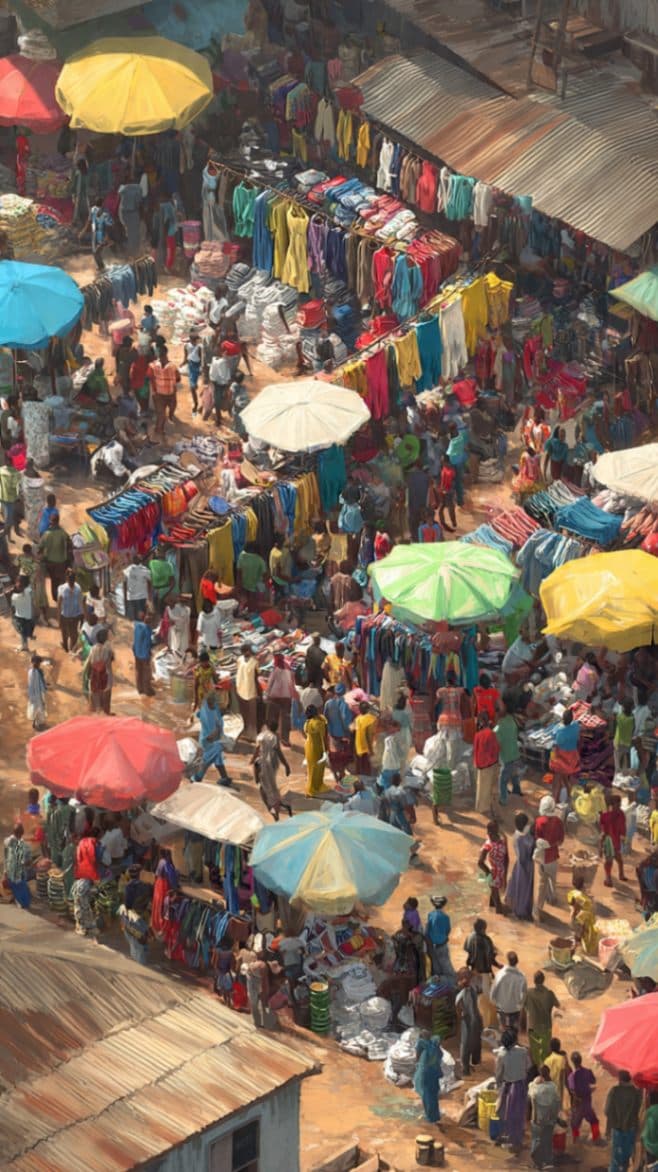
If you’re hunting for affordable, quality secondhand clothes in Enugu, the real action happens in a handful of bustling markets where traders and students go weekly for okrika, shoes, bags, and accessories. This guide walks you through the main thrift hubs in Enugu, typical price ranges in naira, what to expect on the ground, and how to shop safely and smartly—whether you’re a first-time thrifter or a regular bend-down-select pro.
Last Updated: September 2026
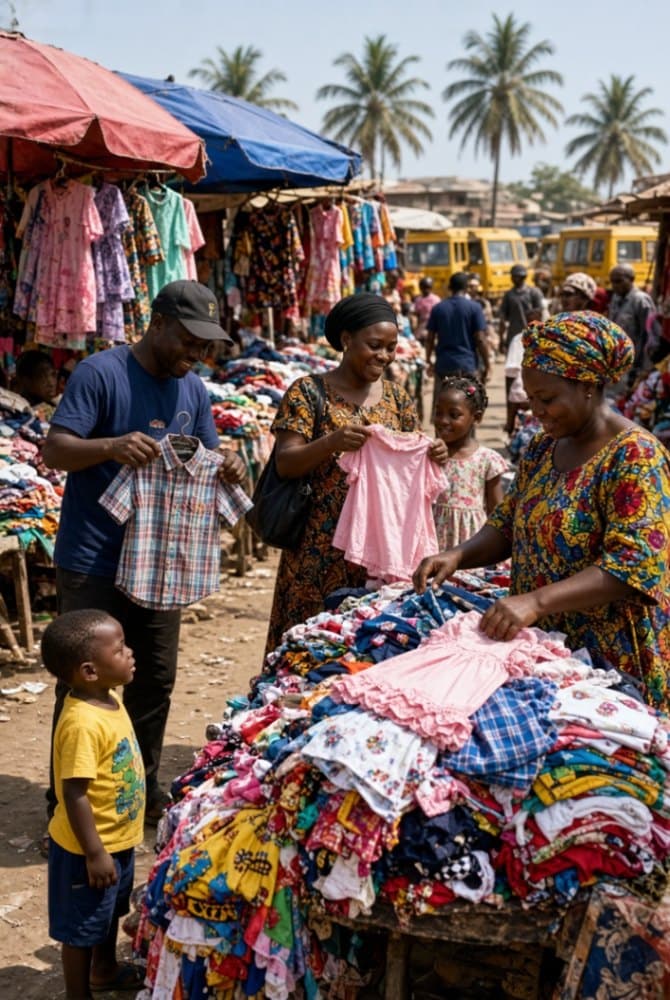
Enugu’s thrift culture is part of a bigger Nigerian story: imported secondhand clothing (often called okrika or bend-down-select) is a primary source of garments for millions of consumers who want style on a budget. With rising costs of new clothing and fast fashion’s short lifespan, many people in Enugu turn to thrift markets for:
Reports on Nigeria’s thrift industry note that a large share of imported secondhand clothes are already near the end of their lifecycle, which makes smart selection and care even more important for buyers.
While Enugu has several general markets, a few stand out as go-to spots for secondhand clothing and accessories.
Ogbete is one of Enugu’s largest and most well-known markets, with dedicated sections for okrika clothing, shoes, and bags.
What to expect: Crowded aisles, aggressive bargaining, and traders who know their stock. It’s common to see students, market women, and small business owners sourcing here weekly.
Around the Coal Camp and adjacent markets, smaller okrika clusters have grown to serve nearby residents and students.
Have something to give away or sell?
Post your first listing — it only takes a couple of minutes.
This area works well if you prefer a slower pace and don’t mind paying a bit more for convenience.
New Haven and nearby streets host a mix of boutiques and okrika shops, some of which operate like mini thrift stores rather than open-market stalls.
Around the University of Nigeria, Nsukka (UNN) and Enugu State University of Science and Technology (ESUT), informal thrift clusters pop up to serve students.
Prices vary by market, item grade, and your bargaining skills, but these ranges give a realistic idea of what you might pay in naira.
| Item Type | Budget Range (₦) | Mid-Range (₦) | “Cream” / Near-New (₦) |
|---|---|---|---|
| Ladies’ tops / blouses | 1,000 – 2,500 | 2,500 – 4,000 | 4,000 – 7,000 |
| Men’s shirts / T-shirts | 1,000 – 2,500 | 2,500 – 4,000 | 4,000 – 6,500 |
| Jeans / Trousers | 2,000 – 3,500 | 3,500 – 6,000 | 6,000 – 10,000 |
| Dresses / Gowns | 2,500 – 4,000 | 4,000 – 7,000 | 7,000 – 12,000 |
| Sneakers / Shoes | 2,000 – 4,000 | 4,000 – 7,000 | 7,000 – 15,000 |
| Handbags / Purses | 1,500 – 3,000 | 3,000 – 6,000 | 6,000 – 12,000 |
| Kids’ clothing (per piece) | 800 – 2,000 | 2,000 – 3,500 | 3,500 – 6,000 |
Note: Prices reflect typical 2025–2026 market conditions and can shift with inflation, exchange rates, and bale quality.
Buying from bales (untouched bundles) usually lowers your per-piece cost but comes with higher risk—some items may be stained, torn, or unsellable.
Thrifting in Enugu rewards patience, observation, and a bit of strategy.
Check each item for:
Bargaining is expected, but keep it respectful:
Traders often describe stock using informal grades:
When buying secondhand clothes in Nigeria, basic consumer protection principles still apply, even in informal markets.
While thrift markets are largely informal, the Federal Competition and Consumer Protection Commission (FCCPC) outlines general consumer rights, including the right to safe and decent quality goods and accurate information about products.
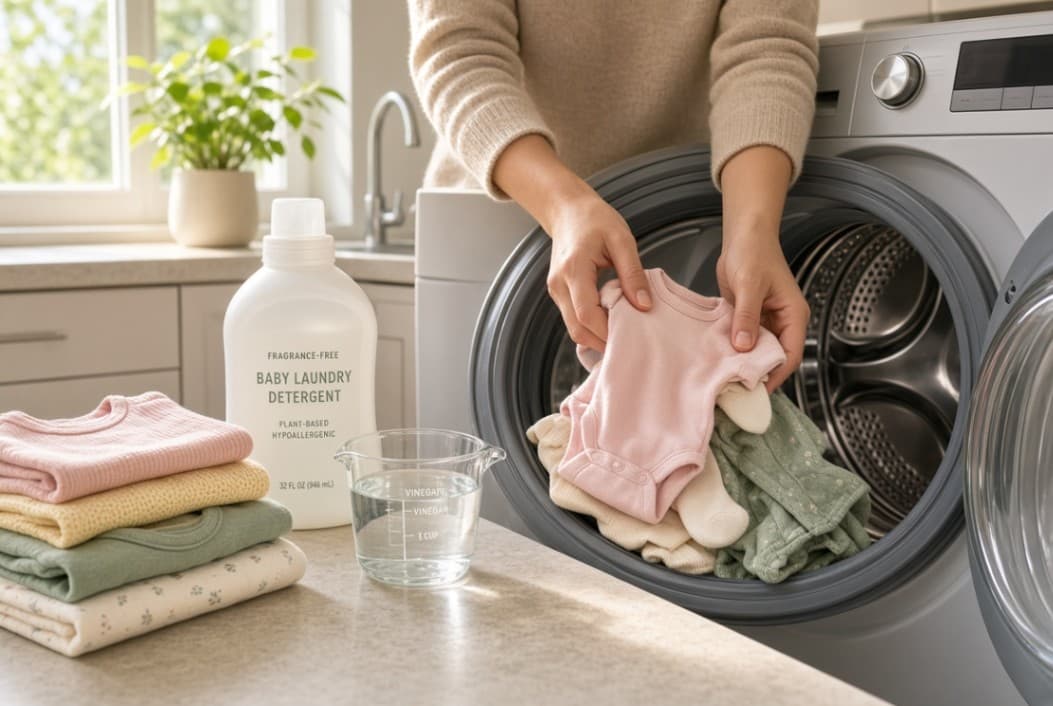
To reduce health and hygiene risks:
Public health guidance in Nigeria emphasises proper laundering of secondhand textiles to minimise skin and infection risks.
Watch out for:
While physical markets dominate, online and WhatsApp-based secondhand trading is growing in Nigeria, including Enugu.
Physical markets (Ogbete, Coal City, etc.):
Online / WhatsApp groups:
Platforms like Threddo.com.ng aim to blend the two by offering a free, WhatsApp-first marketplace where people in Enugu and across Nigeria can list or find secondhand clothes, shoes, bags, jewellery, hair, and accessories with direct buyer–seller contact and no platform fees. If you’re in Enugu and prefer to preview items via chat before meeting up, such tools can complement your market runs, especially for specific sizes or styles. You can read more about safe peer-to-peer trading practices on Threddo’s safety page.
Thrifting already supports a more circular fashion system by keeping clothes in use longer, but you can go further:
Use this as a mental (or actual) checklist before paying:
Enugu’s thrift markets—especially hubs like Ogbete, Coal City, New Haven, and university-area spots—remain the backbone of affordable fashion for students, workers, and small business owners. With the right approach to inspection, bargaining, and hygiene, you can build a stylish, budget-friendly wardrobe while supporting a more circular way of consuming clothes.
This article is for educational purposes only and does not constitute professional advice. Always follow safe trading practices and use your own judgement.