T
Loading…
Loading…
Last Updated: August 2026
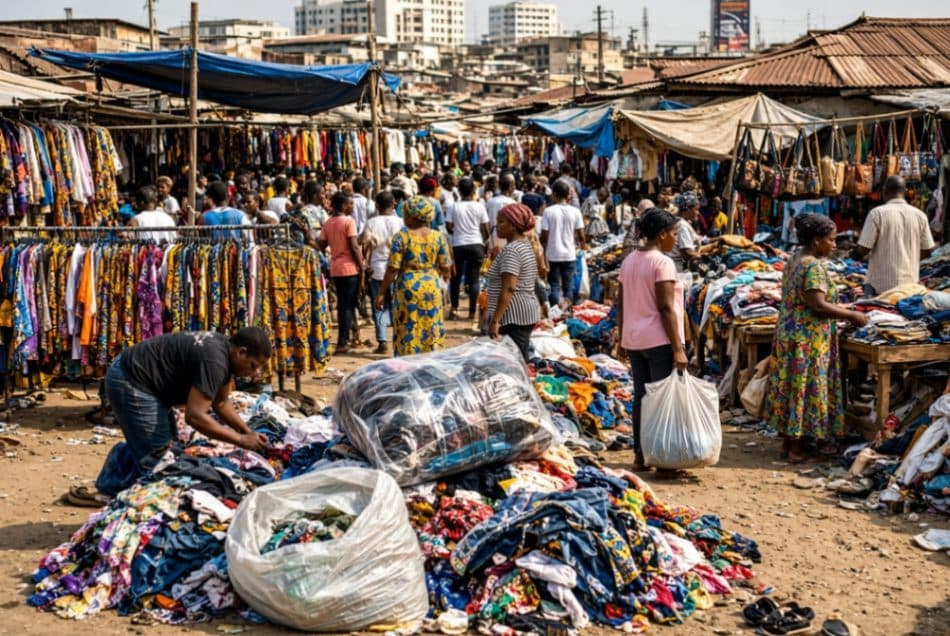
If you want affordable fashion in Lagos, thrift markets remain some of the most searched and most visited places to shop for clothes, shoes, bags, and accessories. Katangua, Yaba, and Balogun stand out because they serve different shopper needs: bulk thrift hunting, mixed fashion buying, and fabric-to-ready-made shopping, respectively.
Lagos is a fashion-heavy city, and secondhand shopping is part of everyday buying behavior across many neighborhoods. Market shoppers often look for value, variety, and the chance to inspect items before paying, which is why physical thrift markets still matter even with online resale options. The Federal Competition and Consumer Protection Commission says consumers have the right to clear product information, visible pricing, and disclosure when goods are second-hand or reconditioned. That matters in thrift shopping because the most useful deals are the ones where condition, price, and item type are easy to verify.
| Market | Area | What it is known for | Typical buyer fit |
|---|---|---|---|
| Katangua | Abule Egba / Super area | Large thrift hub, bulk secondhand clothing, fast turnover on bale-opening days | Resellers, bulk buyers, bargain hunters |
| Yaba / Tejuosho axis | Yaba | Mixed fashion, fabrics, ready-made wear, shoes, accessories, and secondhand items nearby | Students, office wear shoppers, mixed-budget buyers |
| Balogun | Lagos Island | Major fashion market with clothing, shoes, bags, accessories, and textiles | Shoppers looking for variety and central access |
| Oshodi | Oshodi | Budget clothing and secondhand sections in a very busy transport hub | Fast shoppers and price-sensitive buyers |
| Aswani | Isolo | Clothing and shoes at low-to-mid prices | Everyday wear shoppers |
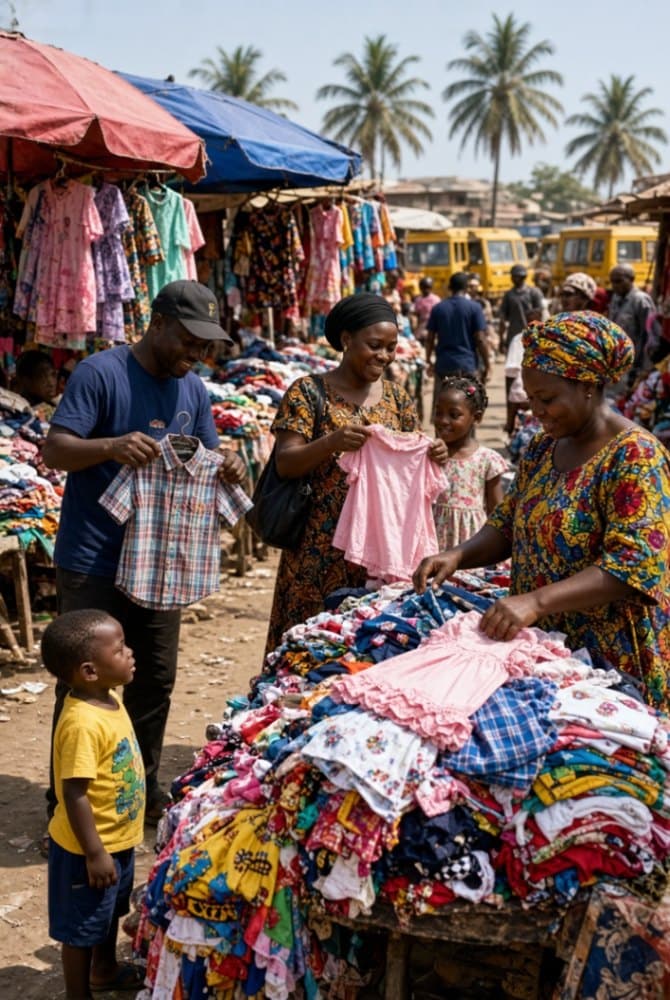
Katangua is the name that comes up most often when people ask where to find thrift clothes in Lagos. It is widely described as a major secondhand clothing hub, with vendors opening new bales on key days such as Mondays, Wednesdays, and Fridays. That rhythm matters because freshness of stock changes what you see on the rails and floors, especially if you want new arrivals instead of leftovers. The market is often used by both end-users and small-scale resellers because the volume is large and prices can move quickly depending on condition and demand.
Have something to give away or sell?
Post your first listing — it only takes a couple of minutes.
| Item type | Approximate thrift range |
|---|---|
| T-shirts | ₦500–₦3,000 |
| Shirts/blouses | ₦1,000–₦5,000 |
| Jeans/trousers | ₦2,000–₦8,000 |
| Jackets/hoodies | ₦4,000–₦15,000 |
| Children’s clothes | ₦500–₦4,000 |
These ranges vary with quality, label, season, and bargaining room, so they are better treated as shopper references than fixed prices.
Yaba works well for shoppers who want a mix of thrift, fashion, and easier transport access. Tejuosho in Yaba is also known for fabrics, clothes, shoes, beauty products, and a more organized market environment than some open-air thrift clusters. For students and office workers, this area is attractive because it can be easier to combine thrift buying with other errands. It also fits people who want to compare secondhand items with new ready-made clothing in one trip.
Yaba is a useful market if you want lower search friction than a huge wholesale-style thrift zone. You can spend less time moving between categories and more time checking seams, zips, stains, and size tags. That makes it especially useful when you are shopping on a tighter schedule.
Balogun is one of Lagos’ most famous markets for fashion, fabrics, shoes, bags, and accessories. It is not only a thrift market, but many shoppers include it in thrift searches because of the sheer range of items and the number of low-to-mid-priced fashion options available. The market’s strength is variety: you can move from fabric sections to footwear to bags without leaving the wider trading area. If your goal is comparison shopping, Balogun gives you plenty of stalls to check before paying.
| Item type | Approximate range |
|---|---|
| Casual tops | ₦2,000–₦10,000 |
| Fabric pieces | ₦3,000–₦30,000+ |
| Bags | ₦4,000–₦25,000 |
| Shoes | ₦3,500–₦20,000 |
| Accessories | ₦500–₦10,000 |
Balogun is useful when you want a market with scale and choice, not just the cheapest possible item.
Beyond the headline names, several Lagos markets regularly show up in clothing searches. Oshodi remains a familiar option for budget clothes and secondhand pieces, especially because of its transport reach and dense market traffic. Aswani in Isolo is also noted for affordable clothing and shoes, which makes it useful for straightforward everyday shopping. These markets do not always have the same thrift reputation as Katangua, but they matter because shoppers often compare them by convenience, crowd level, and price.
The FCCPC says businesses must give clear information, disclose prices, and identify used or second-hand goods conspicuously. In market settings, that means you benefit from checking the item physically before paying and asking for the exact price before negotiation starts. If a seller claims an item is new, branded, or imported, the item and description should match what you are seeing. That is especially important for thrift, where condition and authenticity affect value.
A low price is not the same as good value. The cleaner and more wearable the item, the better the value, even if the price is a little higher. A jacket at ₦6,000 that lasts several seasons is better value than a ₦2,000 piece that tears after one wash. The FCCPC’s rule on accurate product description is useful here because the seller’s description should match the actual condition of the item.
| Value factor | What to check | Why it matters |
|---|---|---|
| Fabric condition | Pilling, fading, stretching | Shows how much life remains |
| Fit | Shoulder, waist, length | Reduces alteration costs |
| Hardware | Zips, buttons, clasps | Prevents early damage |
| Cleanliness | Odour, stains, mildew | Affects wearability |
| Price vs use | How often you will wear it | Helps separate bargains from clutter |
Katangua tends to attract stronger attention on bale-opening days, which is why timing matters for selection. In bigger markets, earlier shopping usually gives more choices, while later visits can sometimes mean better bargaining on remaining stock. If you are shopping for specific categories like denim, school wear, office shirts, or handbags, it helps to go with a short list so you do not waste time on stalls that do not match your goal. In markets like Balogun and Yaba, a category-first approach usually works better than wandering randomly.
Secondhand shopping extends the life of clothing and reduces the volume of textile waste that ends up burned, dumped, or sent to landfills. That matters in Lagos, where textile waste has become part of the wider waste-management conversation. Reuse also lowers the demand for new production, which is tied to water use, energy use, and emissions in the fashion supply chain. In practical terms, every good thrift purchase is a form of circular use: the item stays in circulation longer instead of becoming waste sooner.
| Shopper type | Typical budget | What that budget can cover |
|---|---|---|
| Student | ₦5,000–₦15,000 | 1–3 tops, 1 trouser, or a mix of accessories |
| Everyday buyer | ₦15,000–₦40,000 | Several clothing pieces plus one pair of shoes |
| Reseller starter | ₦40,000–₦100,000+ | Mixed stock for sorting, filtering, and relisting |
These are planning ranges, not fixed market prices. They help you enter the market with a realistic spending frame.
This flow reduces impulse buying and helps you leave with clothes you will actually wear.
If you also buy and sell secondhand items online, a WhatsApp-first listing page like Threddo’s /listings can help you post clearer item details, while /safety can reinforce simple trade-check habits for both sides of the deal.
Katangua, Yaba, and Balogun keep showing up in Lagos thrift searches because they solve different shopping problems: bulk secondhand access, mixed fashion variety, and broad market choice. The most useful thrift shopping approach is to match the market to the item you want, check condition carefully, and use clear pricing and description as your baseline. This article is for educational purposes only and does not constitute professional advice. Always follow safe trading practices and use your own judgement.