T
Loading…
Loading…
Last Updated: September 2026
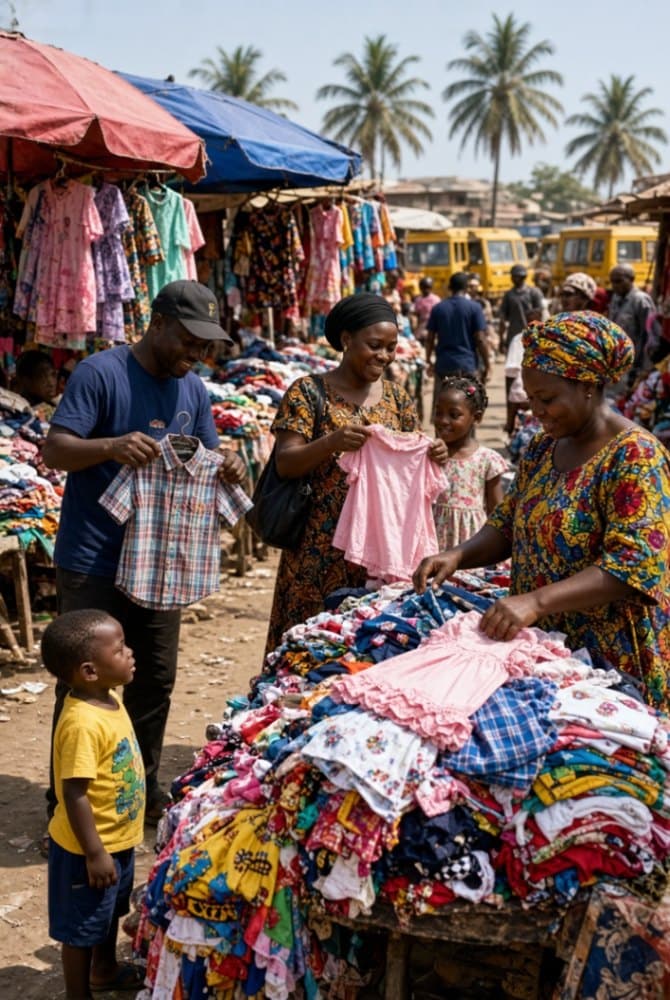
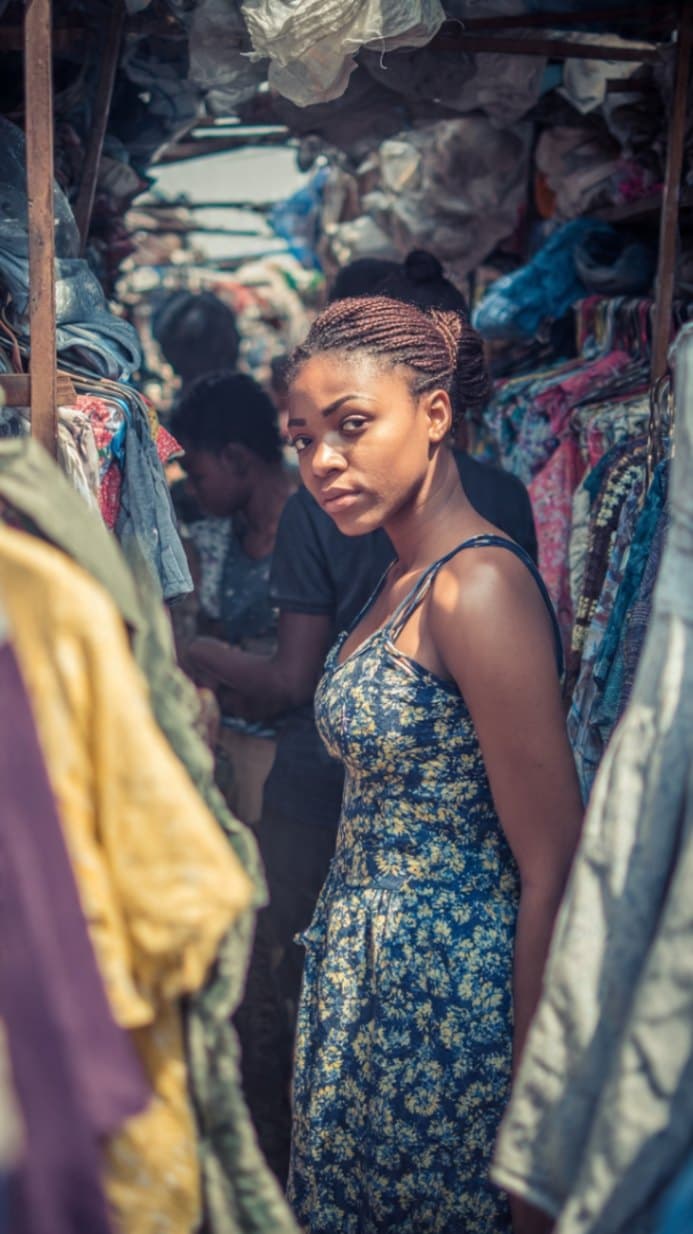
Thrift shopping in Nigeria can stretch your budget, improve your style, and keep clothes in use for longer, but beginners often lose money because they shop too fast or skip basic checks. Secondhand buying works best when you treat it like a careful search, not a rushed bargain hunt.
Secondhand fashion is popular because it gives you more variety at lower prices, and research on Nigerian thrift buying shows that economic value is a major driver of thrift shopping behavior. It also supports a circular approach to clothing, which helps extend garment life instead of sending usable items into waste streams. In practice, that means your best thrift finds often come from patience, close inspection, and clear pricing rules.
In Nigeria, consumer rights also matter in secondhand trading. The FCCPA requires clear price disclosure and truthful information about goods, while consumers are entitled to understand what they are buying, including when an item is second-hand or reconditioned. That makes good thrift habits not only smart, but also aligned with basic consumer-protection rules.
Many beginners fall for colour, brand labels, or low prices and ignore the actual condition of the item. A shirt that looks fine on the hanger can have weak seams, faded panels, stretched collars, or hidden tears that make it wear out quickly.
When you inspect clothing, check:
A simple rule helps here: if the repair cost in time or money is close to the item’s price, the “deal” is no longer a deal. This is especially relevant in thrift markets where items are sold as seen, so your inspection is your main protection.
A lot of first-time buyers focus only on visible style and forget that odor, deep stains, and hidden wear can be difficult to fix. Perfume can cover musty smells for a few minutes, but it does not remove mildew, smoke, or detergent buildup.
Look closely at:
Have something to give away or sell?
Post your first listing — it only takes a couple of minutes.
For shoes, flex the sole and press the heel padding before paying. For bags, check the corners, straps, and zipper track because those parts fail first in daily use. If the item cannot survive normal cleaning or minor restoration, it is often better left behind.
Beginners often assume they can “adjust it later,” then end up with items that hang badly or feel uncomfortable. This happens a lot with thrifted jeans, blazers, dresses, and shoes, where sizing varies by brand, country, and age of the garment.
Use this quick guide before shopping:
This habit saves time in busy markets and reduces impulse purchases. It also helps when shopping online or through WhatsApp listings, where the seller may only give rough descriptions rather than a fitting room experience.
A common beginner error is accepting the first price quoted because the item looks unique. In many Nigerian thrift markets, similar pieces can appear at very different prices depending on location, demand, condition, and the seller’s markup.
A practical comparison table helps:
| Item type | Common thrift price range in Nigeria | What changes the price |
|---|---|---|
| Basic T-shirt | ₦1,000–₦3,500 | Brand, fabric, condition |
| Jeans | ₦2,500–₦8,000 | Fit, denim quality, label |
| Dress | ₦2,000–₦10,000 | Occasion wear, fabric, condition |
| Sneakers | ₦4,000–₦20,000 | Sole wear, originality, cleanliness |
| Handbag | ₦3,000–₦15,000 | Material, brand, strap condition |
| Jewellery | ₦500–₦8,000 | Material, plating, stones |
These ranges vary by market and season, but they give you a reference point before bargaining. Consumer rules in Nigeria also require price disclosure in a clear and understandable way, and sellers should not force a higher price where one has been displayed.
A lot of beginners buy thrift items because they look “rare” or social-media worthy, then wear them once or twice. This leads to crowded wardrobes and wasted money, even though thrift shopping is supposed to create value.
A better way is to ask:
This approach matches the circular fashion idea: keep garments in circulation longer and reduce avoidable waste. It also helps you build a wardrobe that actually works in Lagos weather, transport, and daily movement instead of only looking good in photos.
Thrift items are used items, so cleaning is part of the real cost. Beginners sometimes budget only for the purchase price and forget detergent, dry cleaning, shoe polish, repair work, or deodorizing products.
Typical extra costs can include:
If you need to spend heavily to make an item wearable, the total cost may be close to a new-budget alternative. Nigerian consumer-protection guidance also supports honest disclosure, so sellers should not hide obvious wear that affects use or safety.
This mistake is more common in online thrift buying, social-media sales, and direct chat transactions. The risks rise when sellers refuse to send clear photos, exact measurements, or item condition notes, or when they push for rushed payment.
A safer process looks like this:
The FCCPC framework supports truthful product information, and buyers have the right to clear disclosure of what they are paying for. For extra caution, use public meetups and verify the item before completing the deal, especially when a seller is new or the price looks unusually low.
Use this checklist when you are ready to buy:
If you shop with this checklist, you reduce most of the common beginner mistakes without needing advanced fashion knowledge.
A student in Lagos may see two denim jackets priced at ₦4,000 and ₦7,500. The cheaper one may have broken lining and loose buttons, while the higher-priced one may be cleaner, better cut, and ready to wear with almost no repair. In that case, the real value depends on total cost, not sticker price.
Another example is thrift sneakers. A pair at ₦6,000 with worn soles and interior odor may cost another ₦4,000 to restore, while a pair at ₦9,000 in cleaner condition may be the cheaper option overall. That is why experienced thrift shoppers often look beyond price and focus on usability, condition, and repair needs.
For jewellery and accessories, surface shine can hide plating wear or weak clasps. A bracelet that snaps after one outing is more expensive in the long run than a sturdier piece with a slightly higher price. The same logic applies to bags, where strap strength and zipper quality often matter more than the designer look.
Thrift shopping becomes easier when you shop with a plan. Before entering a market, decide whether you are looking for school outfits, workwear, shoes, bags, or occasion pieces, then set a spending range for each category.
A simple plan could look like this:
This kind of structure helps you avoid random buying and supports a more sustainable wardrobe. It also fits the reality of Nigeria’s resale culture, where bargain hunting, bargaining, and smart value checks are part of the experience.
If you are listing or buying secondhand pieces online, Threddo’s safety guidance and direct buyer-seller contact model can help you keep transactions simple and transparent, especially when you confirm item condition before meeting or paying.
The biggest thrift shopping mistakes usually come from rushing, ignoring condition, and paying before checking the real value of an item. When you inspect carefully, compare prices, and confirm details, thrift shopping in Nigeria becomes a practical way to dress well while spending less and wasting less. This article is for educational purposes only and does not constitute professional advice. Always follow safe trading practices and use your own judgement.