T
Loading…
Loading…
Last Updated: September 2026
If you are searching for thrift market Uyo Calabar shopping tips, this guide breaks down how I would approach buying secondhand fashion in both cities with a focus on quality, price, safety, and local buying habits. Thrifting is part of a wider circular fashion system that keeps clothing in use longer, and research on second-hand clothing trade in Africa shows how large and economically active this market is, even though it also carries sustainability challenges when waste is poorly managed.
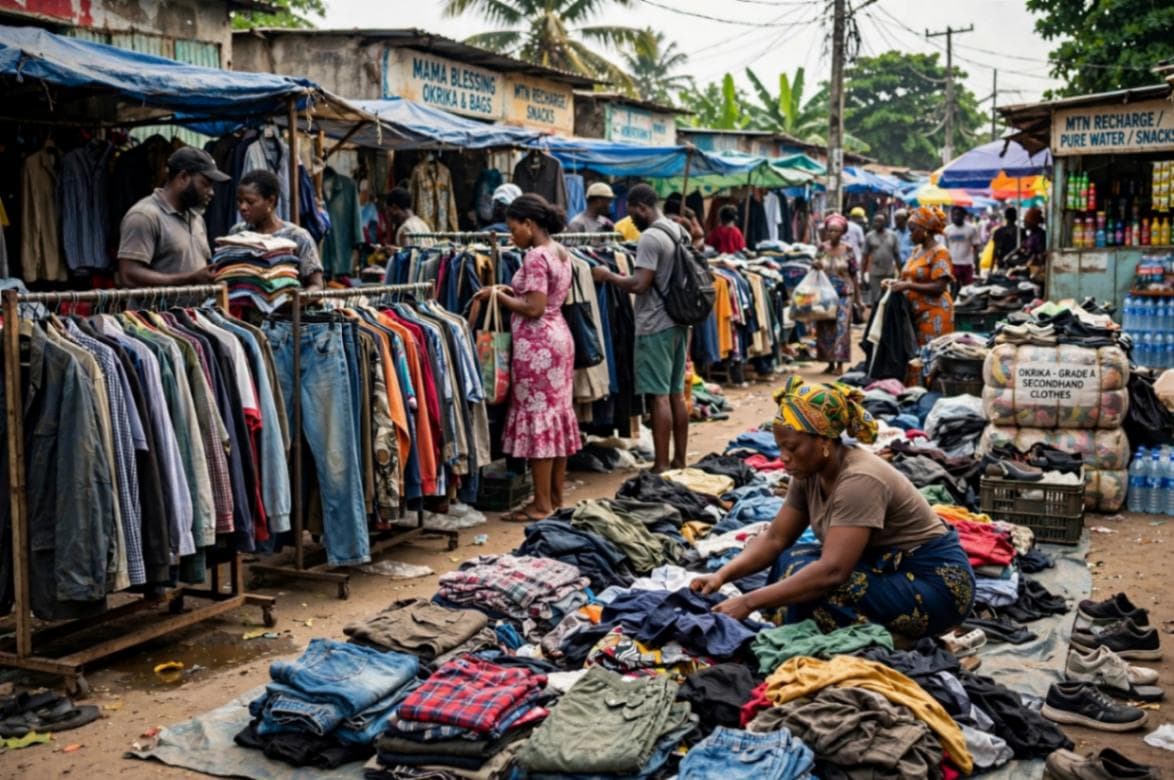
In Uyo and Calabar, thrift shopping is usually a mix of open-market browsing, WhatsApp resale, roadside sellers, and small curators who sort items by type, gender, and condition. In practical terms, that means your results depend less on the label and more on how well you inspect the item, ask questions, and compare stalls or listings.
The language around thrift in Nigeria also matters. Many shoppers still call it okrika, bend-down-select, or fairly used, but the buying process is the same: you are paying for condition, originality, cleanliness, and fit, not just for the category name. Articles on thrift culture in Nigeria describe it as a mainstream, price-conscious style choice rather than a niche habit.
If you are trying to find the right stalls, online listings, or social posts, these local phrases are useful because they match how people actually search and talk:
I use these phrases because they match real shopper intent and help you find both physical sellers and online resellers more quickly. They also fit how many local sellers label their stock on WhatsApp, Facebook, and Instagram.
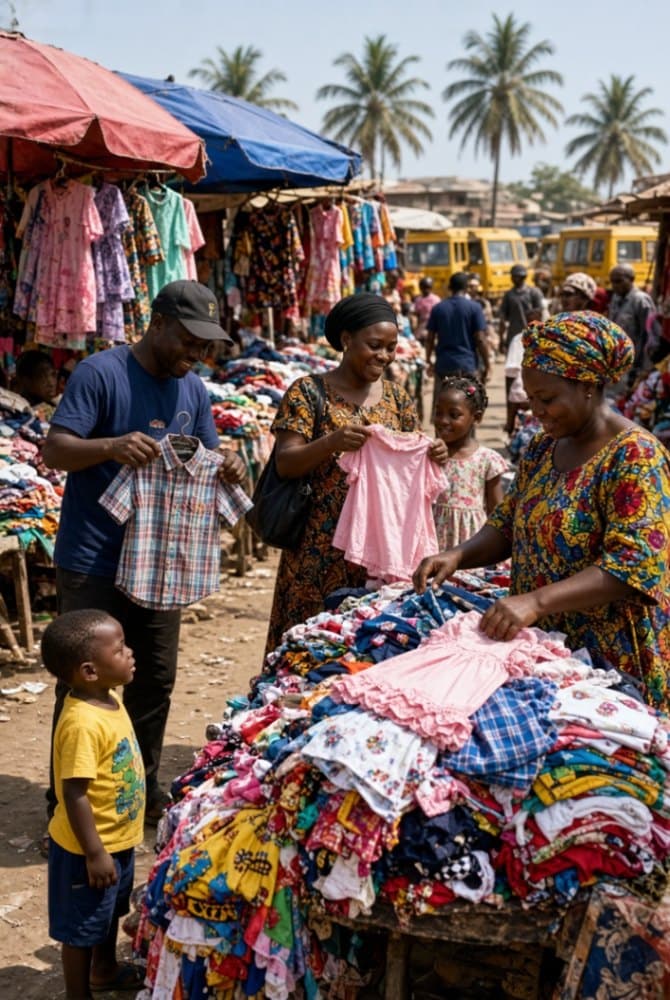
Uyo and Calabar both have a mix of formal and informal retail environments, so thrift items often appear in several places rather than one single “main” market. You may find clothes, shoes, bags, and accessories in open markets, street clusters, and from independent sellers who refresh stock weekly.
Have something to give away or sell?
Post your first listing — it only takes a couple of minutes.
A useful approach is to compare three buying channels:
| Channel | What it is good for | Common risk | Useful check |
|---|---|---|---|
| Open market stalls | Bargains, bulk browsing, quick price comparison | Mixed quality, limited sorting | Check seams, zips, stains, and smell |
| WhatsApp sellers | Curated items, direct chat, more photos | Photo filters, hidden defects | Ask for video, measurements, and close-ups |
| Street resellers | Fast access and flexible negotiation | Inconsistent sizing or condition | Try on items or compare with a known size |
Research on second-hand clothing trade shows that the sector works through large informal and semi-formal networks, which is why condition checks matter more than brand names.
Prices change by condition, brand, item type, and seller location, but it helps to keep a simple mental range before you start shopping. In many Nigerian thrift settings, a plain T-shirt may cost less than a branded shirt, while shoes and bags can move sharply based on wear and popularity.
| Item type | Lower range | Mid range | Higher range |
|---|---|---|---|
| T-shirts and casual tops | ₦1,000–₦3,000 | ₦3,500–₦6,000 | ₦7,000+ |
| Jeans and trousers | ₦2,000–₦5,000 | ₦6,000–₦10,000 | ₦12,000+ |
| Dresses and skirts | ₦2,500–₦6,000 | ₦7,000–₦12,000 | ₦15,000+ |
| Sneakers and flats | ₦3,000–₦8,000 | ₦9,000–₦18,000 | ₦20,000+ |
| Handbags and purses | ₦2,000–₦6,000 | ₦7,000–₦15,000 | ₦18,000+ |
| Jewellery and accessories | ₦500–₦2,500 | ₦3,000–₦8,000 | ₦10,000+ |
These ranges are practical for planning, not fixed rules. In thrift markets, the same item can be priced very differently depending on cleanliness, brand appeal, urgency, and how sharply the seller wants to move stock.
I find it easier to shop thrift when I use the same inspection routine every time. That lowers the chance of buying something that looks good from far away but disappoints after one wash or one wear.
Consumer protection guidance in Nigeria emphasises fair dealing, honest representation, and protection from misleading sales practices, which is useful when you are buying used items with hidden defects. That means asking direct questions is part of smart shopping, not rudeness.
Negotiation in thrift spaces is common, but the cleanest way to do it is to base your offer on condition, not pressure. If an item has a stain, a weak zip, or visible wear, that is a clear reason to ask for a lower price rather than arguing about the whole market.
A simple approach is:
That method works well in open markets and with peer-to-peer sellers because thrift pricing is usually flexible. It also helps you avoid emotional buying, which is common when an item looks rare or almost-new.
When you buy secondhand items in Nigeria, safety is about both the product and the transaction. In practice, that means checking the item, confirming the seller’s identity, and avoiding rushed payments for things you have not seen clearly.
A few practical safety habits fit Nigerian trading reality:
The Federal Competition and Consumer Protection framework in Nigeria supports honest market conduct and fair treatment of consumers, which is relevant when items are misdescribed or materially different from what was shown. For imported second-hand items, sustainability research also shows that the market can create environmental stress when garments are poorly managed or dumped after short use, so extending the life of good items matters.
Thrift shopping in Uyo and Calabar often works best when you buy with outfits in mind instead of random single pieces. In hot and humid weather, breathable fabrics, light colours, and easy-to-wash materials usually feel more practical than heavy layers.
A few everyday outfit combinations work well:
Second-hand shopping is also popular because it allows variety at lower cost than many new retail items, and global reviews of pre-owned clothing note that it gives shoppers access to fashion at a fraction of the price of new retail. That is one reason thrift remains strong in student-heavy and price-sensitive cities.
| Situation | What to do | What to avoid |
|---|---|---|
| You want school wear | Focus on simple colours, durable seams, and easy-care fabrics | Buying only for brand names |
| You want an event outfit | Check photos, try on if possible, and inspect under strong light | Paying before checking for stains |
| You want shoes | Compare both pairs, test soles, and inspect inner lining | Ignoring heel wear and odour |
| You want bags | Check zips, corners, and straps first | Choosing only based on colour |
| You want gifts or donations | Look for neat, clean, wearable items | Passing on damaged or unwashed items |
This table works because thrift value comes from usefulness, not only appearance. A well-kept item with a lower brand profile often outperforms a fashionable piece that is already worn out.
Imagine you find a pair of thrift sneakers in Calabar priced at ₦9,000. The shoes look clean, but the inner lining is slightly worn and one lace is missing. In that case, the real value is not just the display price; it is the condition, replacement cost, and how much use you can still get from them.
If you compare the same pair with a similar option at ₦11,500 that has stronger soles and no lining damage, the more expensive pair may actually be better value. That is the kind of comparison that keeps thrift shopping practical instead of impulsive.
Second-hand fashion is often discussed as part of circular economy thinking because it keeps clothing in circulation longer and can reduce the amount of textile waste going straight to landfills. At the same time, researchers also point out that the global used-clothing trade is complex, and poor waste handling can create local environmental harm in African markets.
For everyday shoppers, the most useful takeaway is simple: buy items you can realistically wear, clean, repair, or rehome. That small habit helps reduce waste and keeps thrift purchases useful for longer.
Before paying, I would run through this list:
If all six answers are comfortable, the item is usually worth considering. If two or more answers are weak, it is often easier to keep browsing.
For shoppers who prefer direct seller contact and zero listing fees, a WhatsApp-first marketplace like Threddo can fit this kind of buying style, especially when you want to compare photos, ask for close-ups, and confirm item condition before meeting. You can also pair that approach with a safety page such as Threddo Safety or browse active listings through Threddo Listings when those pages are available.
Uyo and Calabar thrift shopping works best when you combine patience, inspection, and local price awareness. The smartest buyers are usually the ones who compare condition carefully, ask direct questions, and keep safety in view from first chat to final handover. This article is for educational purposes only and does not constitute professional advice. Always follow safe trading practices and use your own judgement.