T
Loading…
Loading…
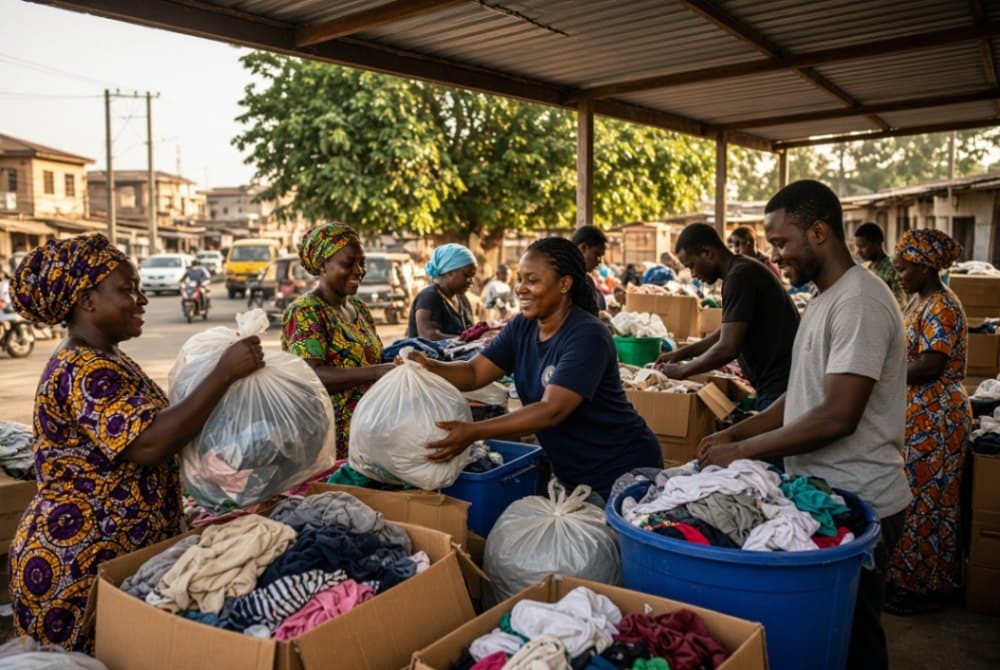
Donating used clothes in Nigeria is more than decluttering—it's a direct way to support families, reduce textile waste, and participate in the circular economy. With Lagos alone generating an estimated 260,000 tonnes of textile waste annually, every gently used garment you give away keeps fabric out of dumpsites and puts dignity back into someone's wardrobe.
This guide walks you through verified donation channels, what items are accepted, how to prepare your clothes, and safety tips aligned with Nigerian consumer protection principles. Whether you're in Lagos, Abuja, or another state, you'll find practical options to turn your pre-loved pieces into someone else's treasured gift.
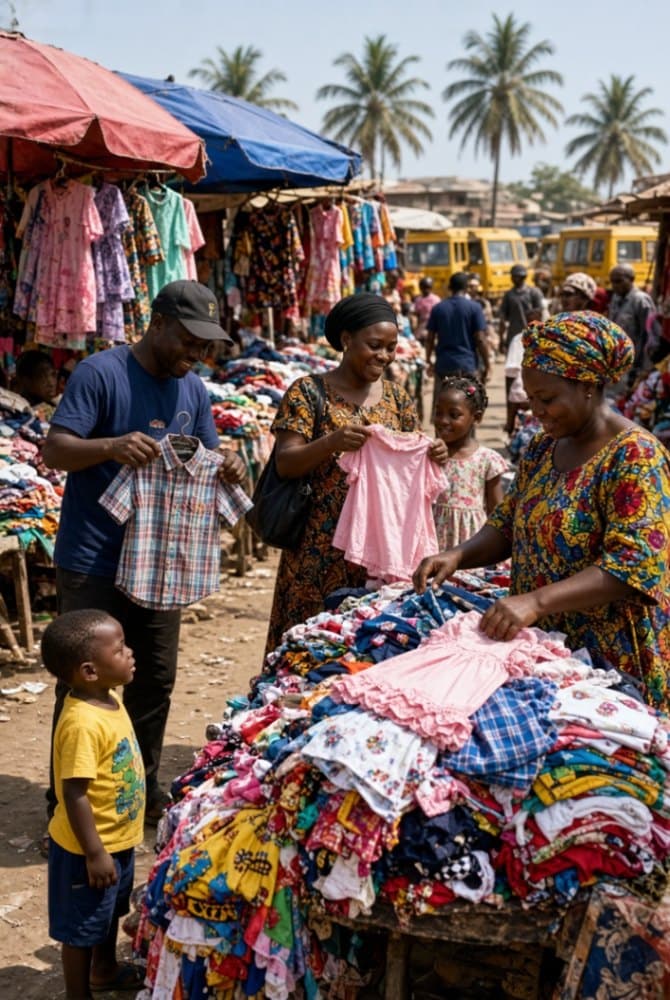
Textile waste is a growing environmental challenge across Nigerian cities. Households in Lagos contribute 1.6–5.4% of municipal solid waste as fabrics, while Abuja households account for 1.42–1.6%. Nationally, textiles make up about 2.48% of all municipal waste, yet recycling infrastructure remains limited.
When you donate instead of discarding:
Organizations like Lagos Food Bank Initiative's Cloth Banking Nigeria report that clothing poverty affects millions, especially in rural communities where school uniforms, professional attire, and even basic wear are scarce.
Below are legitimate, active organizations accepting gently used clothing across major Nigerian cities. Each has clear drop-off points, contact details, and acceptance criteria.
Locations:
Have something to give away or sell?
Post your first listing — it only takes a couple of minutes.
Accepted Items:
All clothing types in good condition—shirts, trousers, dresses, shoes, professional wear, school uniforms, and new undergarments.
Hours:
Monday–Friday, 10:00 AM–5:00 PM
Contact:
Note: Call ahead to confirm warehouse availability, especially during holidays.
Locations:
Accepted Items:
Gently used native attire, jeans, denim, wearable shoes, and children's clothing.
Contact:
+234 901 513 5885 (call before visiting)
Tip: Ensure shoes are clean and still usable—worn-out soles or broken straps are not accepted.
Location:
Corporate 14, Abuja-Dubai International Market, Behind Games Village, Kaura, Abuja
Accepted Items:
Men's, women's, and children's clothing; clean shoes; socks; light jackets; bags/backpacks in good condition.
Hours:
9:00 AM–6:00 PM daily
Contact:
Emergency Pickup: Available—call to arrange.
Model:
US-registered 501(c)(3) nonprofit that collects gently used clothes from donors abroad and distributes them to underprivileged communities in Lagos through local church partnerships.
How It Works:
Donors (primarily in the US) box items and ship to SYC's designated address. SYC handles customs clearance and local distribution.
Note: Currently focused on international donors, but Nigerians in the diaspora can participate. Local Nigerian donors may explore other options above.
Location:
10 Agusto Close, off Razaq Balogun Street, Stadium Bus Stop, Surulere, Lagos
Accepted Items:
Modern, traditional, and vintage clothing for adults and children; shoes; household goods; toys; books.
Services:
Contact:
+234 9166467410 | info@oviebrumefoundation.org
Mission:
Alleviate clothing insecurity in rural Nigerian communities by distributing gently used clothes, school uniforms, and sanitary wear.
Focus:
Rural villages, children's education support
How to Donate:
Visit morlivesccf.org or contact via their website for drop-off arrangements.
Location:
Ikeja, Lagos (HQ)
Mission:
Bridge the gap between clothing surplus and scarcity by reaching indigent men, women, and children. Promotes sustainable fashion and textile waste reduction.
Contact:
clotheshaven.ng@gmail.com | Instagram: @clotheshavenfoundation
Mission:
Provide clothing as a tool for dignity, confidence, and hope—especially for children, youths, and families lacking access to proper attire.
Contact:
clothemeinitiative@gmail.com | +234 700 000 0000 (verify number before use)
Not all items are suitable for donation. Charities aim to distribute wearable, dignified clothing—not burden recipients with repairs or cleaning costs.
| Category | Examples | Condition Required |
|---|---|---|
| Tops | Shirts, blouses, T-shirts, sweaters | Clean, no stains or holes |
| Bottoms | Trousers, jeans, skirts, shorts | Intact zippers/buttons, no tears |
| Dresses | Casual, formal, traditional attire | Freshly laundered, no fading |
| Shoes | Sneakers, sandals, formal shoes | Clean soles, no broken straps |
| Accessories | Bags, backpacks, belts, scarves | Functional clasps, no rips |
| Children's Wear | School uniforms, play clothes, baby outfits | Stain-free, elastic still stretchy |
| Professional Wear | Suits, blazers, office dresses | Dry-cleaned or freshly washed |
Pro Tip: Before donating, ask yourself: "Would I give this to a friend?" If yes, it's donation-ready.
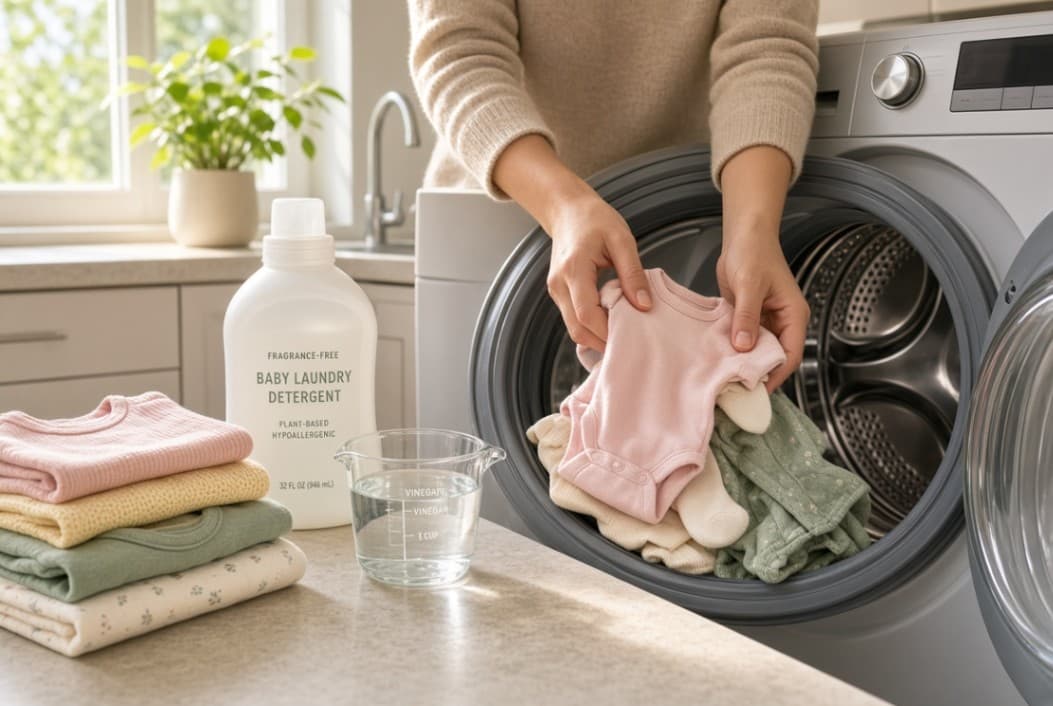
Proper preparation shows respect for recipients and makes distribution easier for charities.
Sort by Category
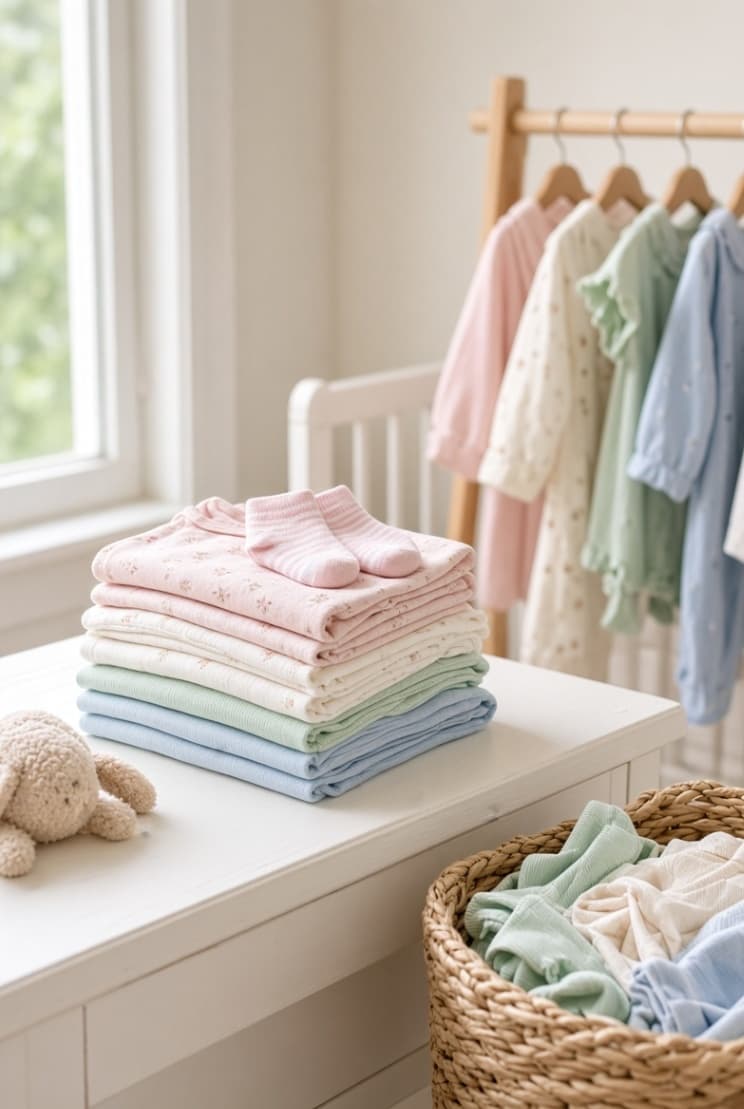
Separate men's, women's, and children's items. Group shoes, accessories, and professional wear.
Wash and Dry Completely
Launder all items. Ensure they're fully dry to prevent mould during storage.
Inspect for Damage
Check for stains, holes, loose threads, or broken fastenings. Repair minor issues or set aside for recycling.
Fold Neatly or Hang
Fold casual wear; hang delicate or formal pieces to avoid creasing.
Pack Securely
Use clean boxes, suitcases, or sturdy bags. Label boxes by category (e.g., "Women's Tops – Size M").
Include a Note (Optional)
Some donors add encouraging messages or care instructions—charities appreciate the personal touch.
Unfortunately, not all "charity" requests are genuine. Protect yourself and ensure your donations reach intended beneficiaries.
Check Registration
Legitimate NGOs register with the Corporate Affairs Commission (CAC). Ask for their CAC number or search the portal.
Visit the Drop-Off Point
Reputable organizations have fixed locations. Visit during stated hours to confirm operations.
Ask for Impact Reports
Established charities often share photos, testimonials, or distribution summaries (without violating recipient privacy).
Cross-Reference Online
Search the organization's name + "review" or "scam" to see if others report issues.
Confirm NAFDAC Compliance (for Imported Donations)
If you're shipping clothes from abroad, ensure the receiving NGO has NAFDAC approval for importing donated items. Unapproved imports can be seized at ports.
Sometimes, selling gently used clothes makes more sense—especially for higher-value items like designer bags, vintage pieces, or barely-worn shoes.
| Factor | Donate | Sell |
|---|---|---|
| Speed | Quick drop-off or pickup | May take days/weeks to find buyer |
| Financial Return | None (tax receipt possible for registered NGOs) | Earn ₦500–₦20,000+ depending on item |
| Impact | Direct support to vulnerable families | Extends garment life, reduces waste |
| Effort | Minimal (wash, pack, drop off) | Moderate (photos, pricing, negotiations) |
| Best For | Everyday wear, children's clothes, bulk items | Designer pieces, vintage, high-demand brands |
Hybrid Approach: Donate everyday items to charity, sell premium pieces on peer-to-peer platforms to fund other needs.
Platforms like Threddo.com.ng enable free, WhatsApp-first listings for secondhand fashion. You set your price (or mark items free), connect directly with buyers, and arrange safe, local pickups—no fees or in-app payments. This model works well for:
For safety tips on peer-to-peer trading, see Threddo's Safety Guide.
Consider this: if just 100 people in Lagos each donate 5 garments instead of discarding them, that's 500 items kept from landfills in a single month. Multiply that across Nigeria's 200+ million population, and the cumulative effect is significant.
Every donation reduces pressure on waste management systems and lowers the carbon footprint associated with producing new garments.
Yes. Organizations like Morlives Clothe Charity Foundation and Clothe Me Initiative operate in multiple states or accept shipped donations. Call ahead to confirm logistics.
Registered NGOs may issue donation receipts for record-keeping, but Nigeria doesn't currently offer individual tax deductions for clothing donations. Corporate donors should consult tax advisors.
Most charities sort items by size, gender, and condition, then distribute directly to:
Yes—clean, wearable shoes, bags, belts, and scarves are widely accepted. Ensure shoes have intact soles and accessories function properly.
Most organizations welcome bulk donations but request advance notice to prepare storage space. Call or message before bringing large quantities.
Donating used clothes in Nigeria is a meaningful way to support communities, reduce waste, and embrace sustainable fashion. By choosing verified charities, preparing items properly, and following safety guidelines, you ensure your generosity creates real impact.
Whether you drop off at Lagos Food Bank's Cloth Banking Nigeria, partner with FOODBANK Naija, or explore selling premium pieces on platforms like Threddo, your actions contribute to a more circular, compassionate fashion ecosystem.
This article is for educational purposes only and does not constitute professional advice. Always follow safe trading practices and use your own judgement.
Last Updated: September 2026