T
Loading…
Loading…
Last Updated: September 2026
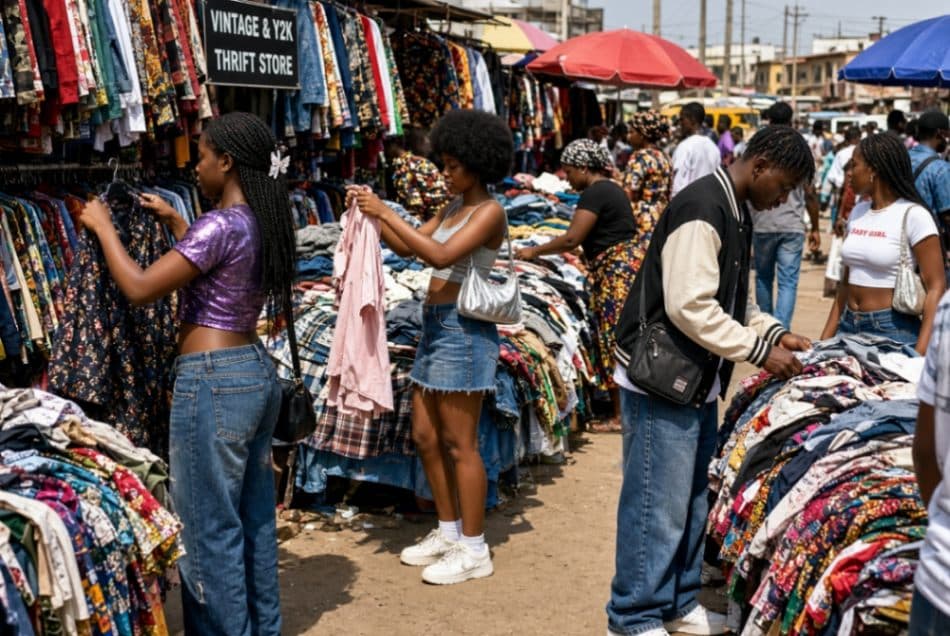
Vintage and Y2K thrift fashion in Nigeria has grown into a practical style movement shaped by nostalgia, affordability, and creative self-expression. In this article, I break down how the trend shows up in local markets, what pieces are common, how to style them, and how to trade more safely in Nigeria’s online and offline secondhand spaces. The style is also tied to sustainability because thrift shopping extends the life of garments and reduces demand for fast-fashion replacement cycles.
Y2K fashion refers to the playful, bold, early-2000s look that includes low-rise silhouettes, cargo details, metallic finishes, small bags, tinted sunglasses, mini skirts, baby tees, and statement accessories. In Nigeria, the style often gets mixed with local streetwear, making it feel less like costume dressing and more like everyday fashion. That blend is part of why the look works well in Lagos, Abuja, Ibadan, and other style-conscious cities where thrift shopping is already part of the culture.
Vintage fashion is slightly different, but the two overlap in thrift spaces. Vintage usually refers to older original pieces with a recognisable era feel, while Y2K pieces are often from the late 1990s and early 2000s or styled to look that way. On Nigerian resale platforms and thrift markets, both styles show up together because shoppers often look for something rare, affordable, and visually distinctive.
Several practical factors keep Y2K thrift fashion visible in Nigeria. First, thrift gives access to branded or well-made items at lower price points than new retail. Second, young shoppers like the flexibility of mixing thrift with local fashion pieces such as Ankara, adire, or handmade accessories, which creates a local version of global trends. Third, sustainability matters more to many buyers now because secondhand shopping keeps clothes in use longer and reduces textile waste.
The social side matters too. On social media, thrift hauls, styling videos, and “finds” content make secondhand shopping feel communal and trend-aware. That visibility helps turn a practical buying habit into a style identity, especially among students and young workers in Nigeria.
Y2K thrift shopping in Nigeria usually centers on a few repeatable item types. These are the pieces that show up often in market stalls, WhatsApp listings, and curated thrift pages:
| Item type |
|---|
Have something to give away or sell?
Post your first listing — it only takes a couple of minutes.
| Typical Y2K/vintage cue |
|---|
| Common Nigerian price range |
|---|
| Baggy jeans | Wide leg, faded wash, low-rise or mid-rise fit | ₦4,000–₦15,000 |
| Cargo trousers/skirts | Pocket-heavy, utility feel, streetwear styling | ₦5,000–₦18,000 |
| Baby tees/tops | Small fit, graphic print, fitted shape | ₦2,000–₦8,000 |
| Mini bags | Small shoulder bags, shoulder straps, glossy finish | ₦5,000–₦20,000 |
| Statement belts | Buckles, metallic detail, branded look | ₦2,000–₦10,000 |
| Sunglasses | Tinted lenses, narrow or oversized frames | ₦2,000–₦12,000 |
| Sneakers | Retro shapes, visible wear but still wearable | ₦8,000–₦35,000 |
| Jewellery | Chunky, layered, shiny, playful shapes | ₦1,500–₦12,000 |
These ranges vary by condition, brand, city, and whether the piece is rare or already styled as a “curated thrift” item. In many Nigerian markets, identical items can be priced differently depending on cleanliness, fit, and how well the seller presents them.
A good thrift find is not only about the label; it is about condition and wearability. I look at fabric quality, stitching, zips, buttons, stains, odor, and whether the item keeps its shape after handling. For denim, check the seams and hems because these are usually the first places to weaken.
For bags and shoes, inspect lining, sole wear, strap joins, and inside compartments. For jewellery and accessories, look for peeling, rust, missing stones, and skin irritation risk from unknown metals. Nigeria’s consumer protection rules give buyers a right to quality goods and accurate information, so a seller who hides obvious damage is not following fair-trading practice.
The easiest way to wear the trend in Nigeria is to combine one statement Y2K item with basics you already own. For example, baggy jeans can work with a fitted top and simple slides, while a mini bag can lift an otherwise plain outfit. This keeps the look balanced and avoids overloading the outfit with too many loud details.
I also see local styling make the trend feel more Nigerian. A thrifted denim skirt can be paired with a fitted Ankara top, or a retro jacket can sit over a plain dress and be finished with chunky earrings. That kind of mix gives the outfit both global and local identity, which is one reason the trend remains popular.
Secondhand trading in Nigeria often happens through WhatsApp, Instagram, and direct messaging, so safety habits matter. Nigerian consumer law and digital-trade rules support the idea that buyers should receive accurate information, while the FCCPC has authority to handle consumer complaints in many cases involving unfair practices. The safest routine is to verify the seller’s identity, review product photos carefully, and confirm all item conditions before paying.
These habits fit the practical guidance now common in online shopping security advice in Nigeria: know the merchant, check the amount carefully, and avoid rushed payment decisions. The country’s consumer-protection framework also includes the FCCPA, the Cybercrimes Act, and the Nigeria Data Protection Act, which together support safer digital transactions and data handling.
Pricing in Nigeria tends to follow condition, brand, rarity, and presentation. Clean, pressed, well-photographed items can sell above similar pieces in a bundle because the buyer is paying for time saved as well as the item itself. In thrift markets, presentation often changes perception more than the original retail label.
| Pricing factor | Lower price signal | Higher price signal |
|---|---|---|
| Condition | Visible wear, stains, repairs | Clean, sharp, ready to wear |
| Brand | No label or unknown label | Recognised label or strong design |
| Fit | Unclear sizing | Exact measurements provided |
| Photos | Dark, blurry, incomplete | Bright, clear, multiple angles |
| Rarity | Common item | Hard-to-find style or era piece |
For example, a basic thrifted baby tee with visible fading may move at a lower range, while the same shirt, if clean, tagged, and styled as a Y2K piece, may sit higher because the buyer sees more value in convenience and presentation.
The Nigerian version of Y2K thrift fashion is not copied directly from Western moodboards. It is shaped by climate, transport, campus life, social events, and the need to combine style with practicality. Lightweight pieces are often preferred because of heat, while layered looks are usually reserved for evenings, shoots, or air-conditioned spaces.
There is also a strong campus and social-media influence. Students often use thrift fashion to create a distinct look without buying full-price wardrobes, and that makes the category especially active around universities and youth-heavy neighbourhoods. The result is a market where styling talent can matter as much as money.
Some thrift buyers focus only on the look and ignore condition. That can lead to items that cannot be worn comfortably or cleaned properly. Others skip size checks, which is a frequent issue because international sizing and secondhand tags do not always match Nigerian sizing expectations.
A second problem is unclear pricing. If a seller does not explain why an item is priced higher, compare the quality, the brand, the condition, and the amount of work already done to clean or present it. Consumer law in Nigeria protects against misleading information, so clarity benefits both sides of the trade.
If you’re listing thrift pieces or browsing secondhand fashion in Nigeria, a WhatsApp-first marketplace like Threddo can make it easier to post items, compare styles, and connect directly with buyers without app payments or extra fees. For educational safety habits, its listing and safety pages can also help you organise photos, descriptions, and communication before you trade. That kind of simple structure supports the safer buying habits already recommended in Nigeria’s consumer-protection and online-shopping guidance.
Vintage and Y2K thrift fashion in Nigeria works because it combines affordability, creativity, sustainability, and a strong youth-driven style culture. The strongest outfits usually mix one statement thrift piece with clean basics, while the safest transactions usually come from clear photos, written agreements, and careful verification of the seller and item condition. This article is for educational purposes only and does not constitute professional advice. Always follow safe trading practices and use your own judgement.